
 Home
Home
Vietnam accounts for an estimated 28% of global rattan furniture exports. So, how to find the best high end rattan furniture manufacturers from Vietnam factories? Going direct cuts out middlemen, unlocks full OEM/ODM customization, and typically reduces landed cost by 20–35% compared to buying through a trader.
But finding a factory that consistently delivers premium finishing, tight tolerances, and export‑grade packaging isn’t as simple as grabbing the first Alibaba listing. This guide lays out what to look for in a manufacturing partner, how to vet a facility, and where hidden costs lurk so you can place your first order with confidence.
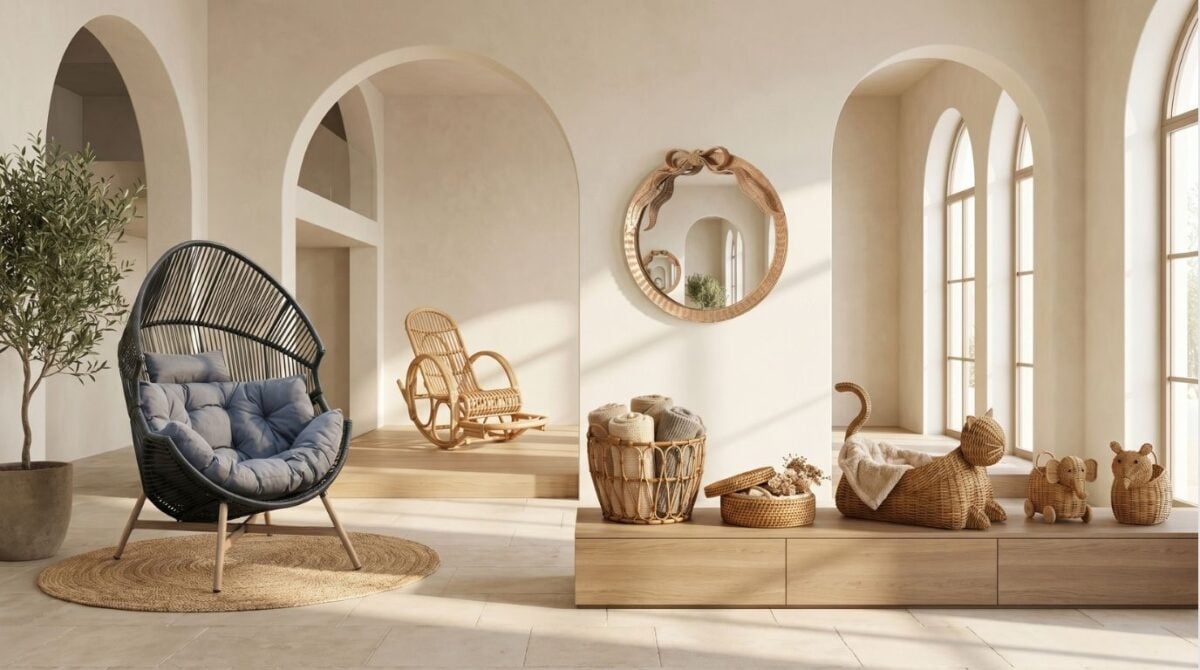
Why Should You Source Rattan Furniture from Vietnam?
Vietnam is the world’s second‑largest rattan furniture exporter, shipping an estimated USD 1.2 billion worth of rattan goods annually. The country’s skilled artisan base, competitive labor costs, and deep familiarity with Western retail standards create a sweet spot for B2B buyers who need premium design with reliable lead times. Unlike many sourcing destinations, Vietnamese factories routinely invest in their own drying kilns, anti‑mold chambers, and dedicated R&D teams that can translate a sketch into a production‑ready sample within 2–3 weeks.
ViettimeCraft’s own wholesale rattan furniture collection spans dining sets, accent chairs, beds, and storage pieces, all produced under one roof with full traceability from raw material to container loading.
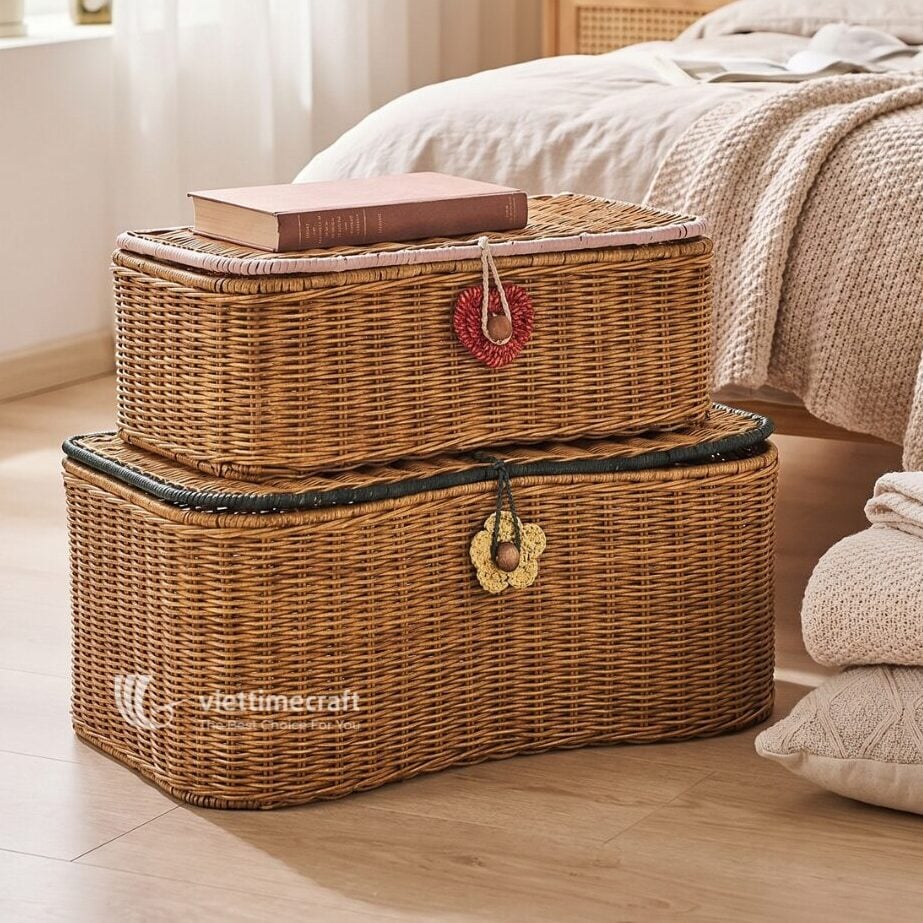
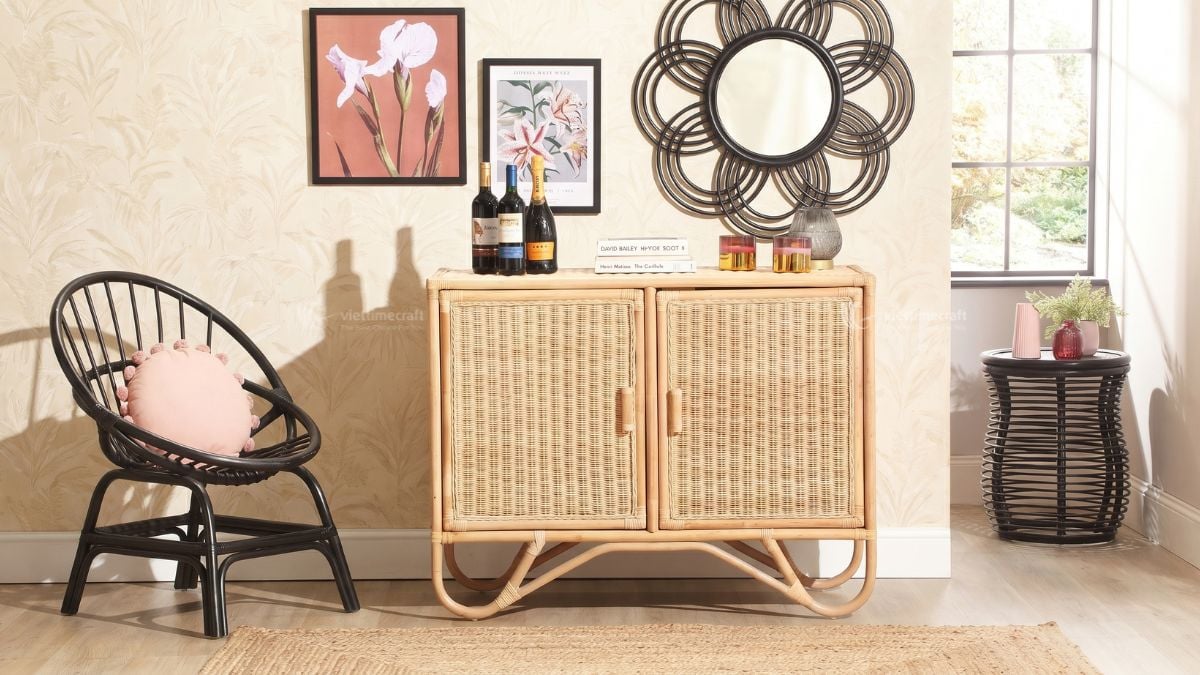
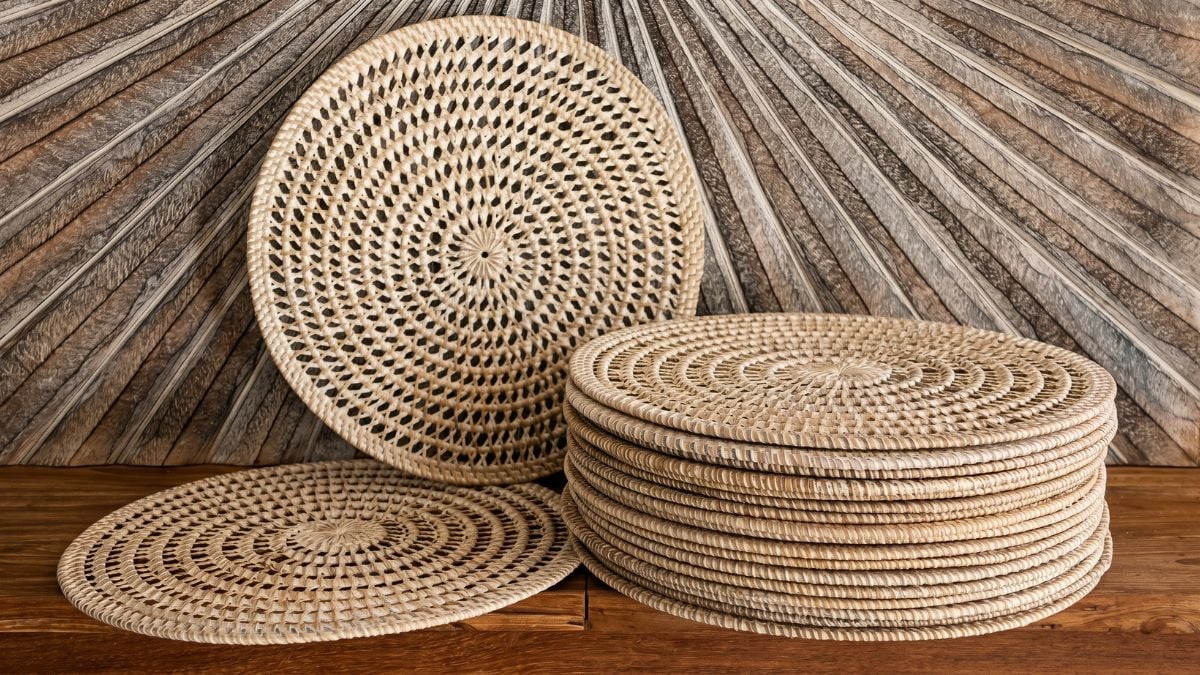
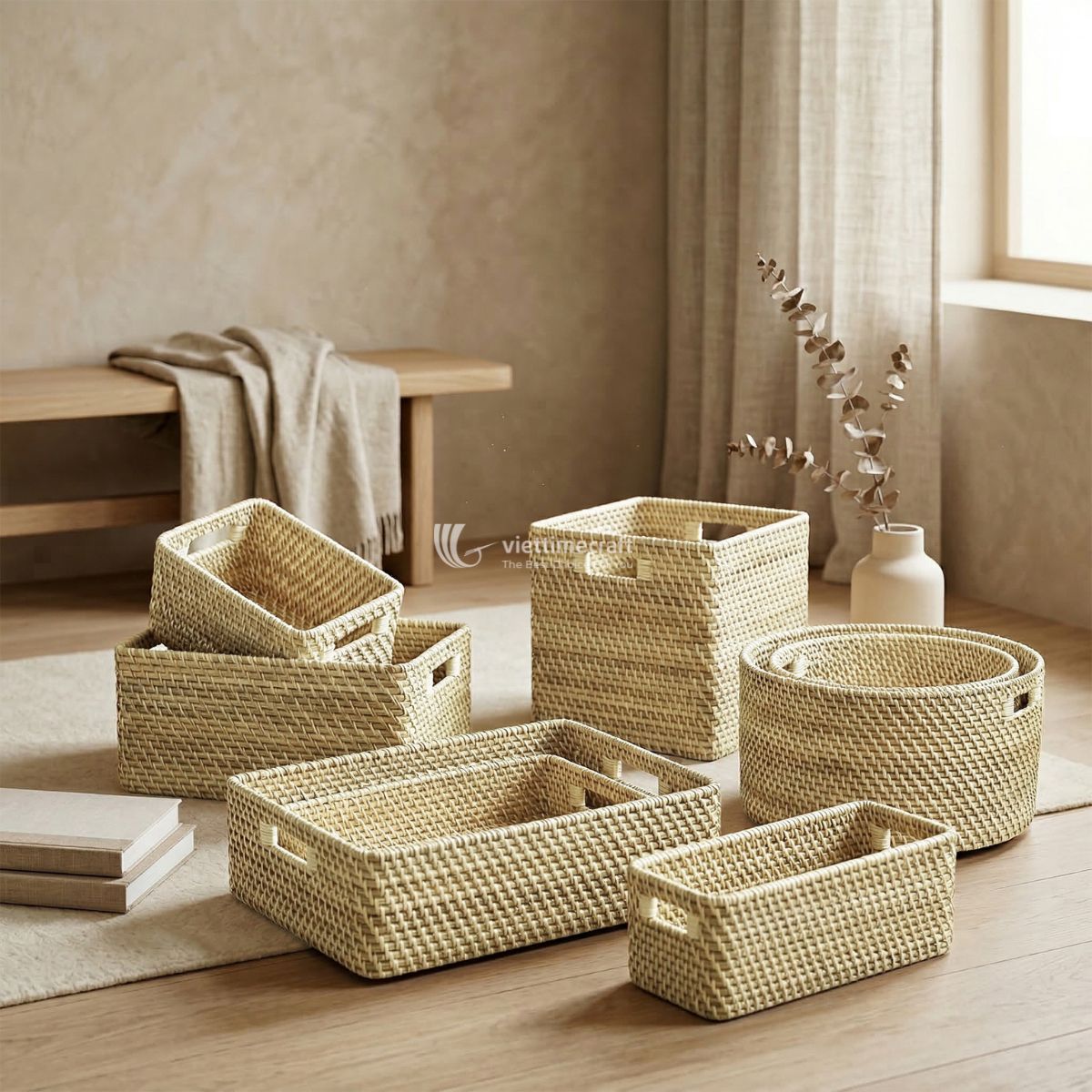
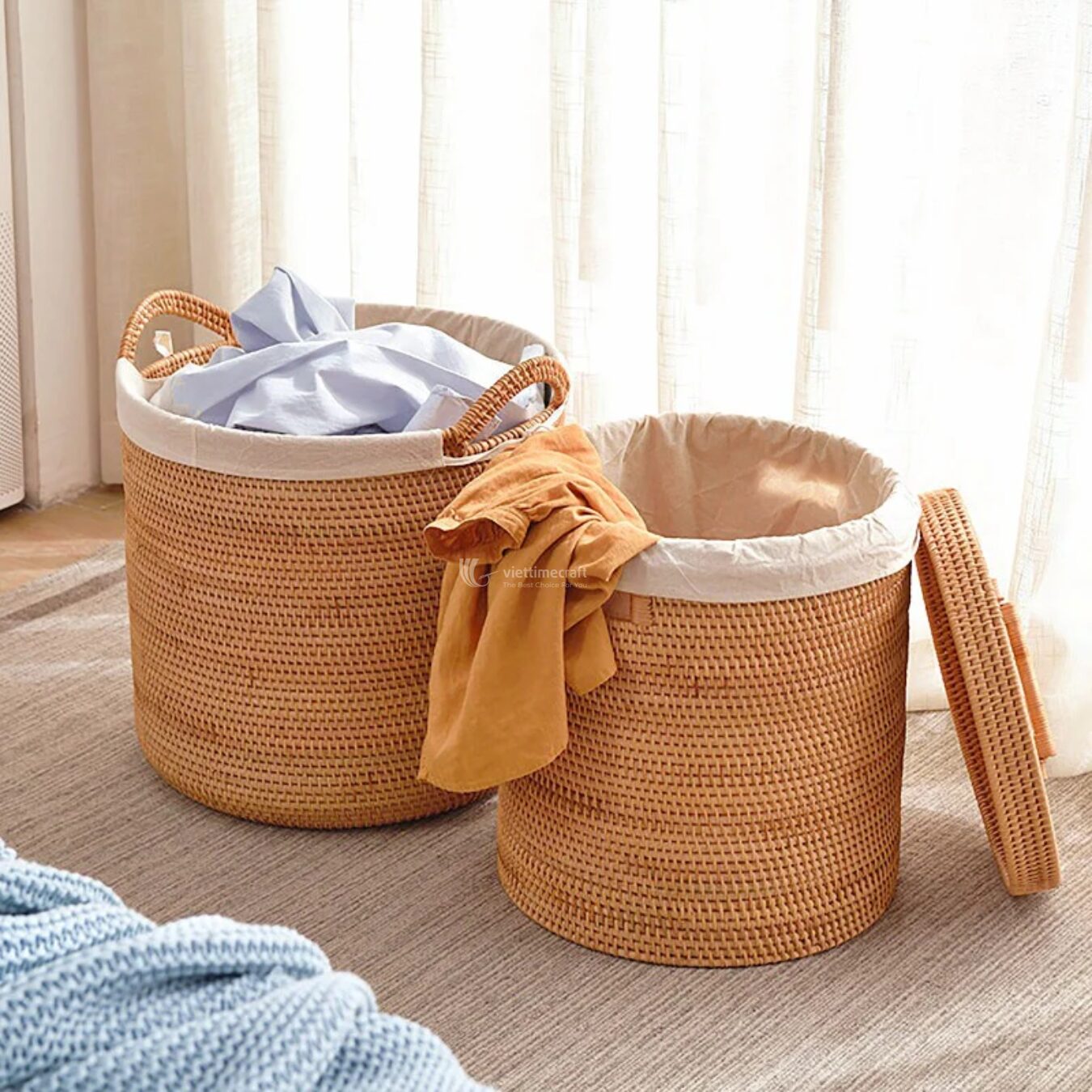

What Differentiates a Premium Rattan Furniture Supplier?
A true high‑end manufacturer stands apart through three capabilities: material sourcing, finishing expertise, and compliance infrastructure.
- Material sourcing: Premium rattan must be harvested at the right maturity (2–3 years), selected for uniform color, and kiln‑dried to a moisture content below 12% before weaving begins . Lower‑grade suppliers skip the kiln‑drying step, leading to cracks and mold after sea freight.
- Finishing expertise: High‑end rattan furniture uses precise joinery (mortise‑and‑tenon, dowel pins) instead of visible screws, and the clear lacquer or stain is applied in dust‑free booths to avoid surface imperfections.
- Compliance infrastructure: Look for BSCI, SMETA, or similar social‑compliance audits, plus documented QC checkpoints at raw material receipt, in‑line assembly, and final inspection. Factories that can show you their defect‑tracking spreadsheet are far more transparent than those that promise “100% perfect quality.”
ViettimeCraft manufactures custom OEM rattan tables and chairs for retailers in the US, EU, and Australia, and we provide audit reports before any large order is placed.
How Do You Evaluate a Rattan Furniture Factory Before Placing an Order?
A one‑day factory visit (or a video‑call walkthrough) can reveal more than a hundred emails. Prepare a checklist:
- Raw‑material storage: Is rattan stored in covered, ventilated areas? Any pooled water on the floor?
- Drying facility: Do they operate a kiln? What is the target moisture level and how is it verified?
- Sample‑to‑production consistency: Ask to see a sample from the current batch and compare it with the archived reference sample.
- Finishing room: Are there air‑filtration and temperature/humidity controls? (Lacquer failures skyrocket in dusty high‑humidity environments.)
- Packing and loading: Is the line set up for export cartons with 5‑ply corrugated boxes, corner protectors, and moisture absorbers?
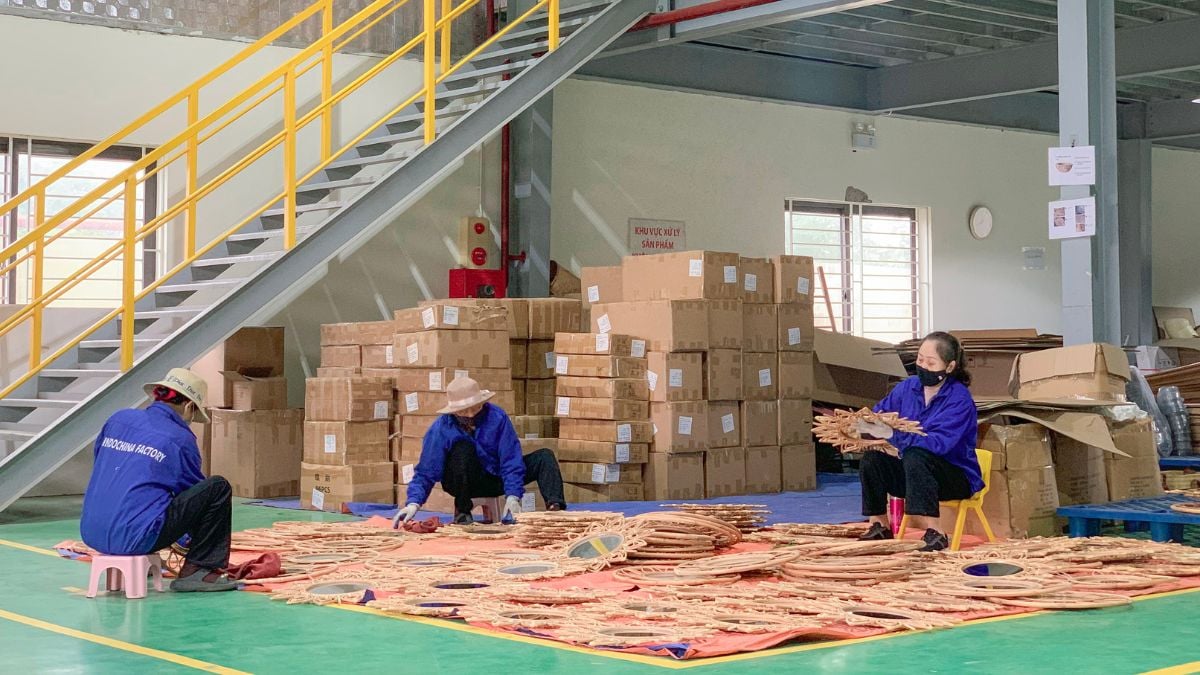
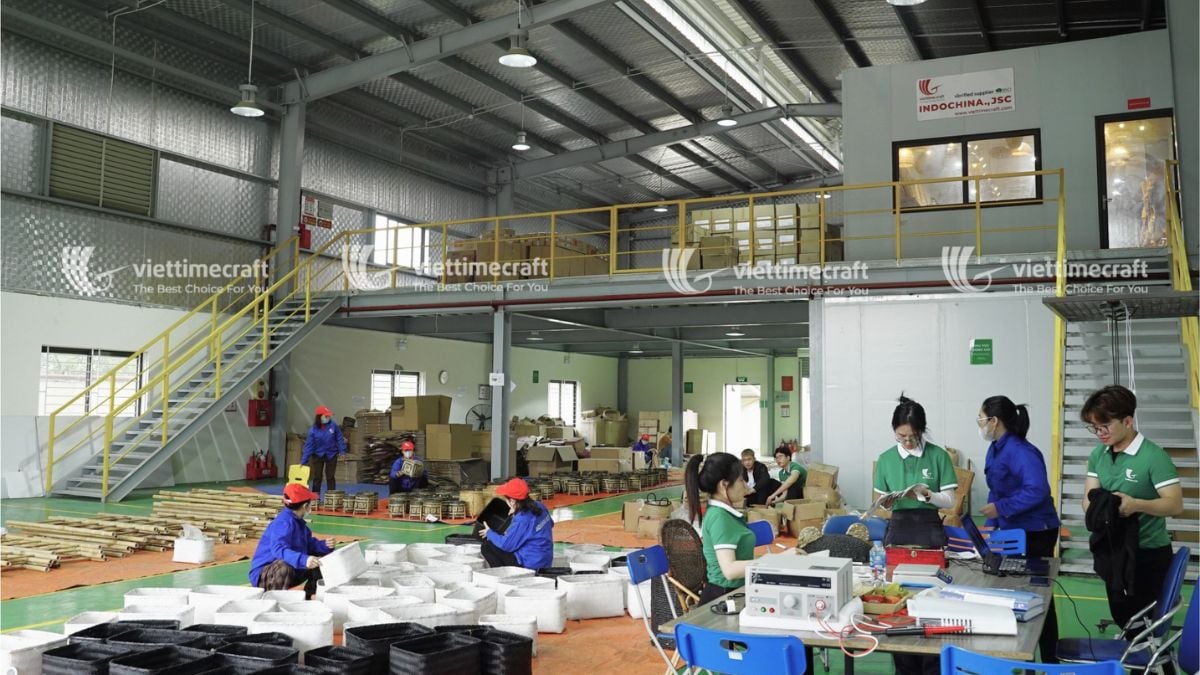
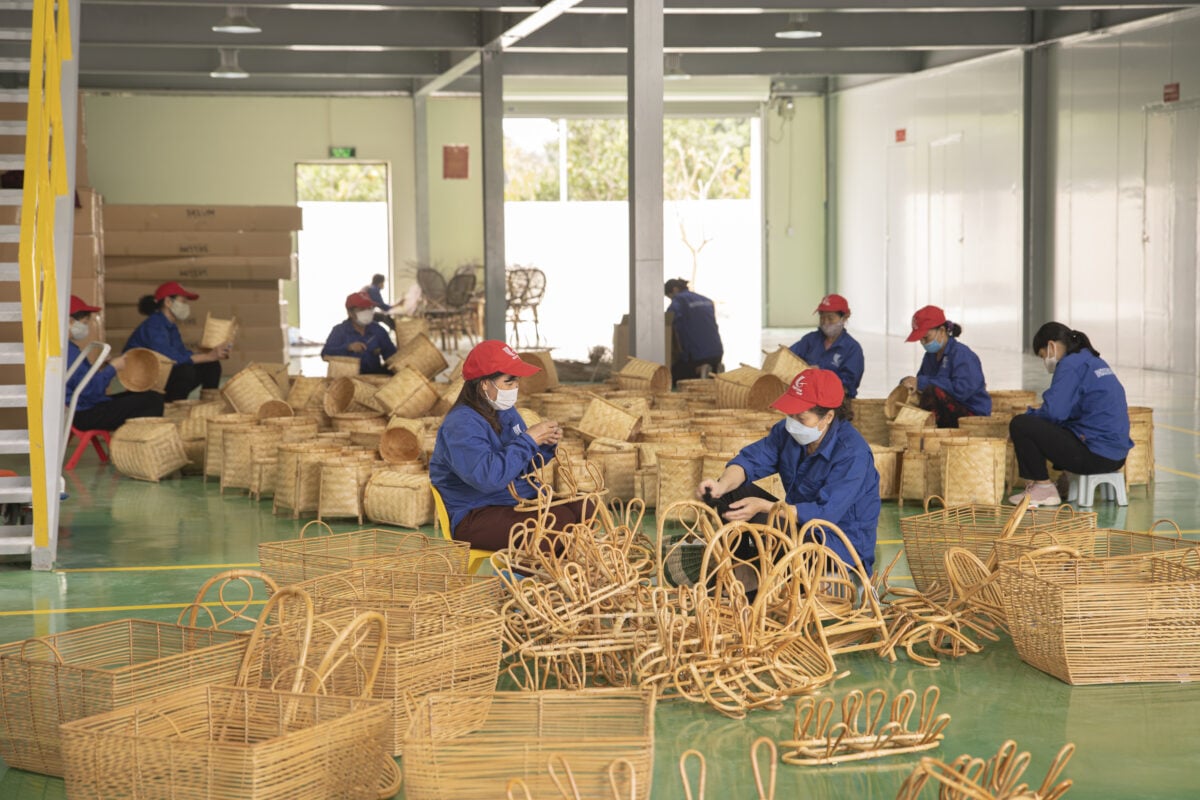
Before you travel, you can contact our sourcing team to schedule a live video walkthrough of our Hanoi showroom and production floor.
What Quality Certifications Should a Manufacturer Hold?
International buyers expect at minimum:
| Certification | What It Covers | How to Verify |
|---|---|---|
| BSCI / SMETA | Social compliance, working hours, safety | Request audit report number and check on amfori.org |
| ISO 9001 | Quality management system | Request certificate copy; validate on the issuing body’s website |
| FSC (where applicable) | Chain of custody for wood components | Check FSC database with the supplier’s license code |
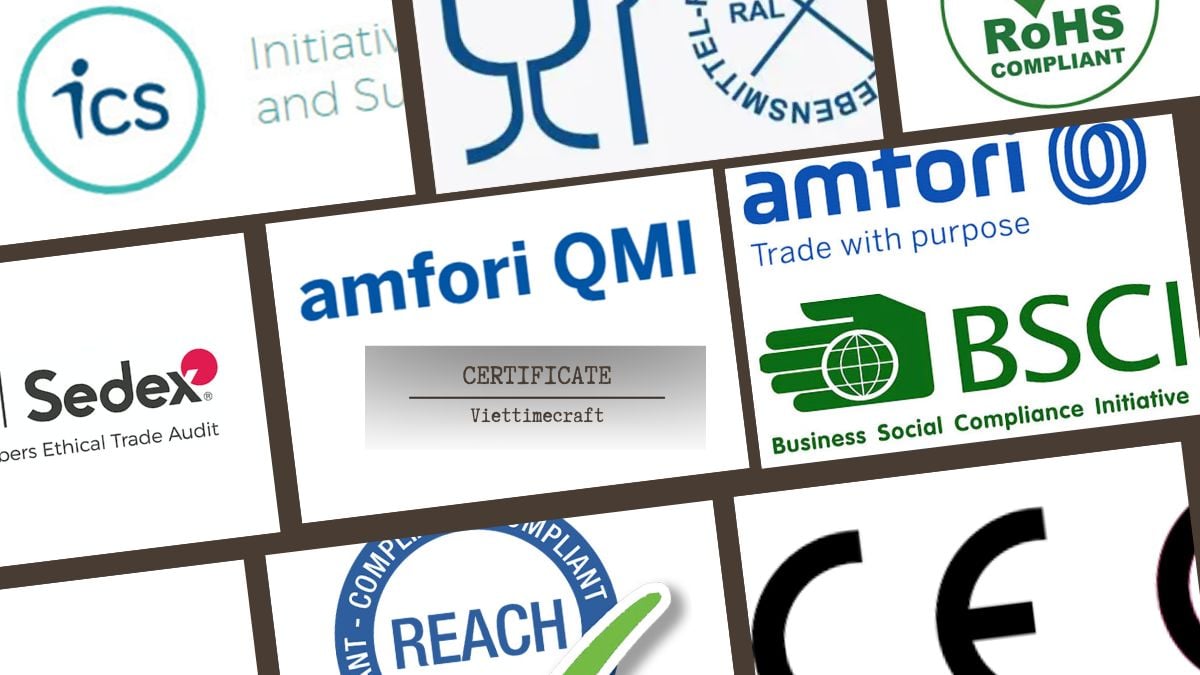
ViettimeCraft holds BSCI and ISO 9001 certifications and shares audit reports with prospective buyers. We also maintain a third‑party mold‑resistance test for every new rattan batch, with results available on request.
How Are Rattan Furniture Shipments Packaged and Shipped to Avoid Damage?
Rattan furniture is prone to crushing and mold during sea freight unless specific packaging steps are followed:
- Nesting where possible: Stackable chairs and nesting baskets reduce volumetric waste and cut freight cost per unit.
- 5‑ply export cartons with internal cardboard grid dividers and edge protectors.
- Moisture‑absorbing sachets (silica gel or clay desiccant) placed inside each carton; a humidity indicator card is taped to the outside.
- Strapping and palletization: Heavier pieces are strapped to heat‑treated wood pallets that meet ISPM‑15 standards for international shipping.
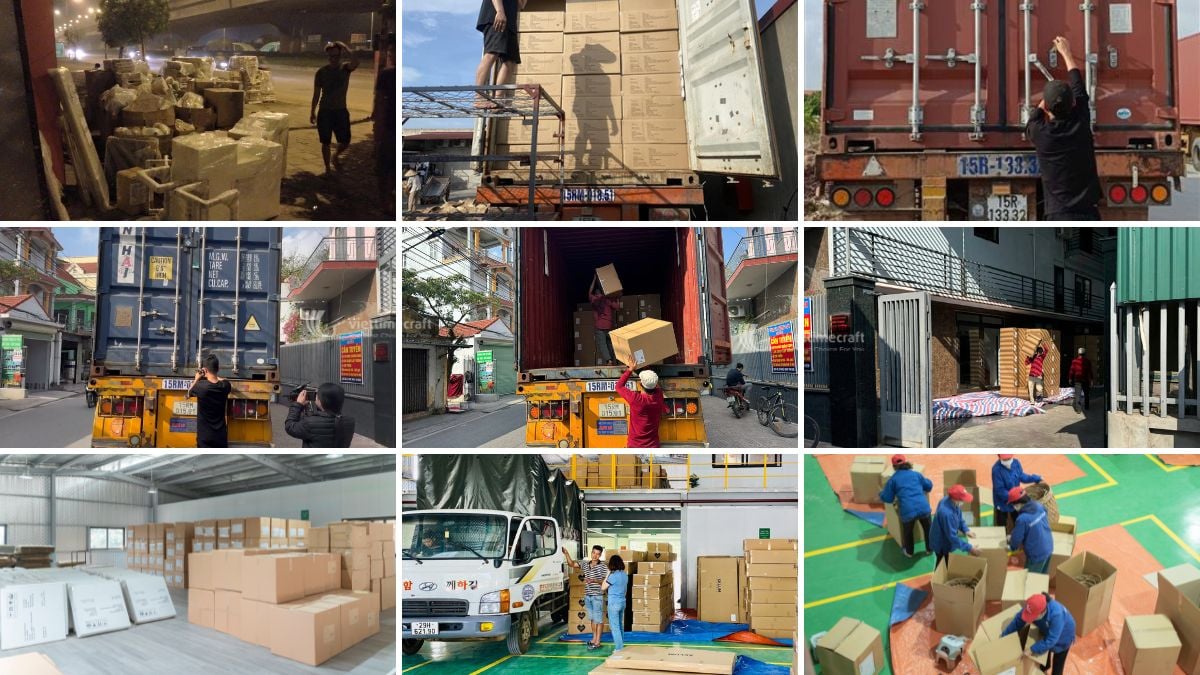
Our standard container load report shows that nesting packaging can increase chair capacity from 200 to 300+ units per 40‑ft container, saving roughly $1.20 per unit in ocean freight .
Comparing Different Factory Tiers for Rattan Furniture Orders
| Factory Tier | Best For | Tradeoff | Typical MOQ | Typical Lead Time |
|---|---|---|---|---|
| Large export‑oriented factory (500+ workers) | High‑volume retail chains, consistent repeat orders | Less flexibility for small custom collections; longer sample turnaround | 500–1,000 pcs per style | 60–75 days |
| Mid‑sized specialist factory (150–300 workers) | Mid‑volume importers who need OEM/ODM flexibility | Slightly higher unit price than mega‑factories; booking slots fill early | 100–300 pcs per style | 60–90 days |
| Small artisan workshop (<50 workers) | Boutique retailers, limited edition series | Inconsistent capacity, rarely holds export certifications, longer lead times can stretch | 20–50 pcs per style | 90–120+ days |
Most buyers looking for “high‑end” will gravitate toward the mid‑sized specialist factory, which offers the balance of customization agility and export‑grade compliance.
Mistakes to Avoid When Sourcing High-End Rattan Furniture
- Going by photo alone – Instagram‑perfect images hide poor joinery. Always request a physical sample and bend the joints yourself.
- Ignoring moisture content – Ask for the kiln‑dry report. Furniture that leaves the factory at 14% moisture will grow mold within weeks in a container.
- Assuming all “woven” is solid rattan – Some suppliers use a thin rattan peel over a bamboo or softwood frame. Specify full‑core rattan if that’s what your market demands.
- Skipping the factory video call – A walkthrough of the packing line, finishing room, and mold‑treatment station reveals whether the production floor matches the marketing brochure.
- Ordering without a clear QC rubric – Define acceptable defect rates, color variation tolerance, and packing standards in the purchase order. Without it, you have no leverage if quality slips.
When Sourcing Directly Might Not Be the Right Move
- You need fewer than 20 pieces per style – Small‑volume orders rarely justify the fixed costs of mold creation, compliance testing, and ocean freight. You may be better served by a trade agent or by consolidating orders with other buyers.
- Your timeline is under 6 weeks – Custom rattan furniture cannot be produced, certified, and shipped in that window. Look for in‑stock collections or consider off‑the‑shelf wholesale.
- You cannot invest in a sample cycle – High‑end rattan requires 2–3 sampling rounds for a new design. If you need to order without seeing a pre‑production sample, you’re gambling on quality, which rarely ends well.
In those scenarios, ViettimeCraft’s ready‑to‑ship wholesale rattan storage baskets and rattan trays can fill inventory gaps while you plan a future custom‑furniture program.
Frequently Asked Questions
How do I verify that a rattan furniture factory truly produces its own pieces?
Request a live video call that shows the weaving department, the kiln, the finishing room, and the packing line. An authentic manufacturer can demonstrate each stage in a single call. Also, ask for a sample that includes a small “production tag” showing the order number and production date, this confirms the item came from a real batch, not a showroom sample.
What is the typical deposit structure for a first order?
The standard for new B2B buyers is 30% deposit upon order confirmation and 70% balance against a copy of the shipping documents (T/T payment). Some factories accept a letter of credit for larger orders; ViettimeCraft works with T/T and L/C for amounts above $20,000 .
Can I mix different rattan furniture styles in one container?
Yes, most export‑oriented manufacturers offer “mixed container” loading. You can combine rattan chairs, tables, benches, and accessory pieces in a single container, provided each style meets its individual MOQ. Mixed containers help importers test multiple SKUs without committing to full containers of a single design.
Do I need to pay import duties on rattan furniture from Vietnam?
Yes, import duties apply based on the destination country’s tariff schedule. In the US, woven rattan furniture typically falls under HTS code 4602.12.1400, with duty rates ranging from 0% to 5.3% depending on trade agreements . Viettime Craft can provide the correct HS code and assist with documentation to reduce customs delays.
Ready to discuss your collection? Contact ViettimeCraft to request our latest high‑end rattan furniture catalog, sample prices, and a customized quote for your market.