
 Home
Home
Rattan chair bulk sourcing requires verifying core strength (18–24 mm pole diameter, density ≥ 0.5 g/cm³), moisture content below 8–12%, and frame-joint durability. Before shipment, insist on mold-proofing with anti-fungal treatment and request third‑party BSCI/SMETA audit reports. Each container load should include drop-tested packaging. Use this guide to compare grades, test methods, and factory visit checklists to avoid hidden defects.
How to Verify Rattan Chair Quality When Buying in Bulk: The Sourcing Foundation
Verifying rattan chair quality before committing to a container order is not optional – it’s the only way to protect your margins. Most bulk buyers first see samples that look perfect, but arriving at the port to find warped frames, cracked joints, or mold on the seats after sea freight is a recurring nightmare that inspection prevents.
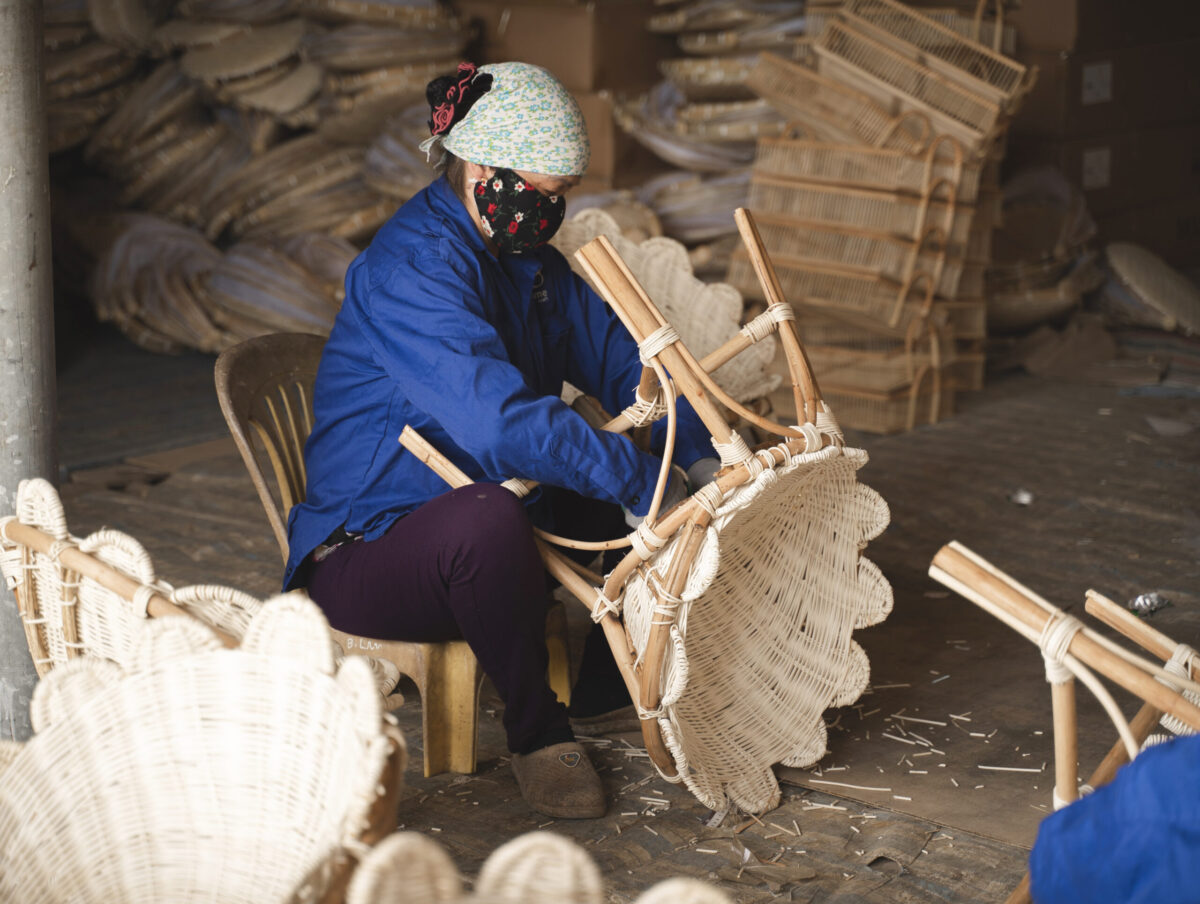
This guide walks you through the exact checks a professional importer should demand: from raw material selection to final loading supervision. You’ll find concrete moisture, load, and finish benchmarks – not generic “high quality” promises.
What Quality Risks Do Importers Face When Sourcing Bulk Rattan Chairs?
Rattan is a natural material, and chairs take the heaviest wear among home furnishings. Without a rigorous checksheet, bulk shipments can arrive with:
- Mold spots caused by residual moisture exceeding 12% during sea freight.
- Frame warping when under‑dried poles try to adjust to destination humidity.
- Joint separation where knots or glue joints fail after stacking and container vibration.
- Uneven color / blistering on lacquer finishes applied without proper sanding and drying.
These issues compound: a single defective chair in a mixed‑SKU container can lead to chargebacks, retailer returns, and lost repeat business. Rather than listing symptoms, let’s build the verification protocol.
How to Evaluate Rattan Raw Material Before Production?
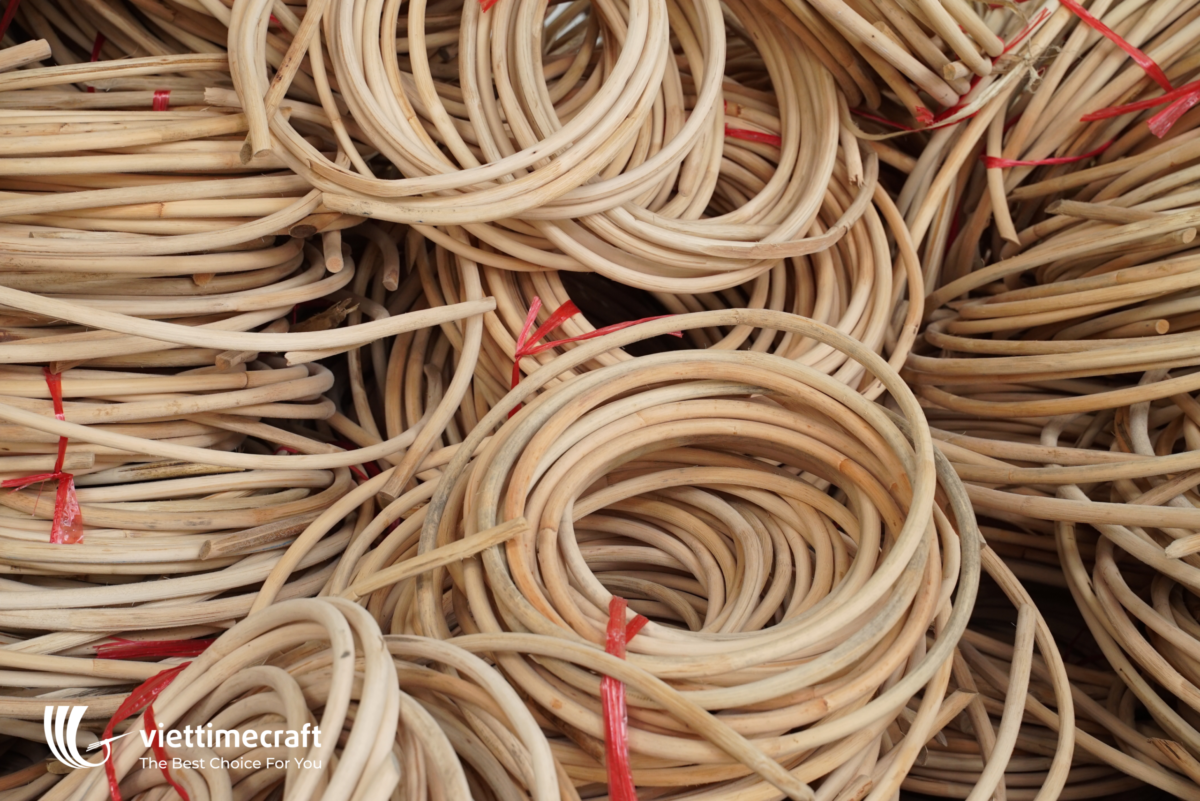
Start by requesting the factory’s rattan sourcing spec sheet. Two parameters matter for chair frames:
- Pole diameter (caliper measurement): For dining‑chair frames, aim for 18–24 mm outside diameter. Poles thinner than 16 mm are acceptable only for backrest weaving or decorative accents.
- Density (oven‑dry mass per volume): Good‑quality rattan has a density ≥ 0.5 g/cm³. Lower density means softer poles that sag under load. Ask for a test report showing density sampled from the current batch.
Also request a visual grading sample covering three common grades:
| Grade | Typical Usage | Poles per Bundle | Surface Quality |
|---|---|---|---|
| A | Premium chair frames (hotel/luxury retail) | 100% clear, no bark remnants, uniform color | Smooth, minimal nodes |
| B | Mid‑market dining chairs | ≤ 5% light marks, small bark removal patches | Sanded finish acceptable |
| C | Budget / promotional lines | Up to 15% natural imperfections, some color variation | Requires opaque paint or stain |
A trustworthy Vietnam manufacturer will ship actual A‑grade rattan for orders that specify it, but you must confirm by requesting bundle‑level photos of the raw material before weaving starts.
What Construction and Weaving Checks Ensure Long‑Lasting Rattan Chairs?
The chair’s skeleton – frame joinery and weaving – determines long‑term durability. Inspect prototypes and first articles for:
- Frame joint type: Doweled‑and‑glued joints with a hidden bamboo dowel are the standard for B2B export chairs. Avoid construction that relies only on knotted rattan wrapped around joints; after months of shipping vibration, those knots often loosen.
- Weaving tension: Run your thumb across woven seat or back sections. Properly tensioned weaves should not depress more than 5 mm under moderate pressure. A loose weave will sag after a few months of use.
- Edge finishing: Check that raw rattan ends are tucked and glued securely; open ends catch moisture and lead to splitting.

How to Assess Finish Quality for Wholesale Rattan Chairs?
Most importers overlook finish consistency until they receive their shipment. A thorough finish check covers:
- Sanding grit progression: The factory should use at least 120‑grit sandpaper followed by 180‑grit for final smoothing before applying clear lacquer or paint. Uneven sanding leaves visible streaks.
- Lacquer adhesion: Wipe a finished area with a damp cloth and check for color transfer. Quality two‑component lacquer should not bleed or lift.
- Uniform color within batch: Take photos of ten randomly selected chairs from the same production run and compare color variance. Industry tolerance is ≤ 2 ΔE (CIE LAB) units between the darkest and lightest chair within a 100‑piece lot.
When ordering white or pastel paints, require a primer layer before final color; otherwise, yellowish rattan base tones will bleed through after a few months under store lighting.
What Laboratory Tests and Certifications Should You Request?
Certifications provide objectivity. The minimum set for rattan chairs destined for the US, EU, or Australia markets:
- Anti‑mold treatment report: Verify that each batch has been treated with a BPR‑approved anti‑fungal agent (e.g., TCMTB‑based). Request a statement of treatment date, active substance concentration, and lot number.
- Formaldehyde emission test: If chairs include any glued plywood or composite elements, require results below the 0.05 ppm threshold (E0 standard).
- UV stability for outdoor/patio models: An accelerated Xenon arc test (ASTM G155) should show less than 2 ΔE color shift after 500 hours.
Third‑party pre‑shipment inspection (PSI) is essential for first‑time buyers. Book an inspector to randomly select and test 5% of shipping cartons (or a minimum of 10 chairs) for all the structural and finish criteria mentioned above.

How to Verify Moisture Content to Prevent Mold During Sea Freight?
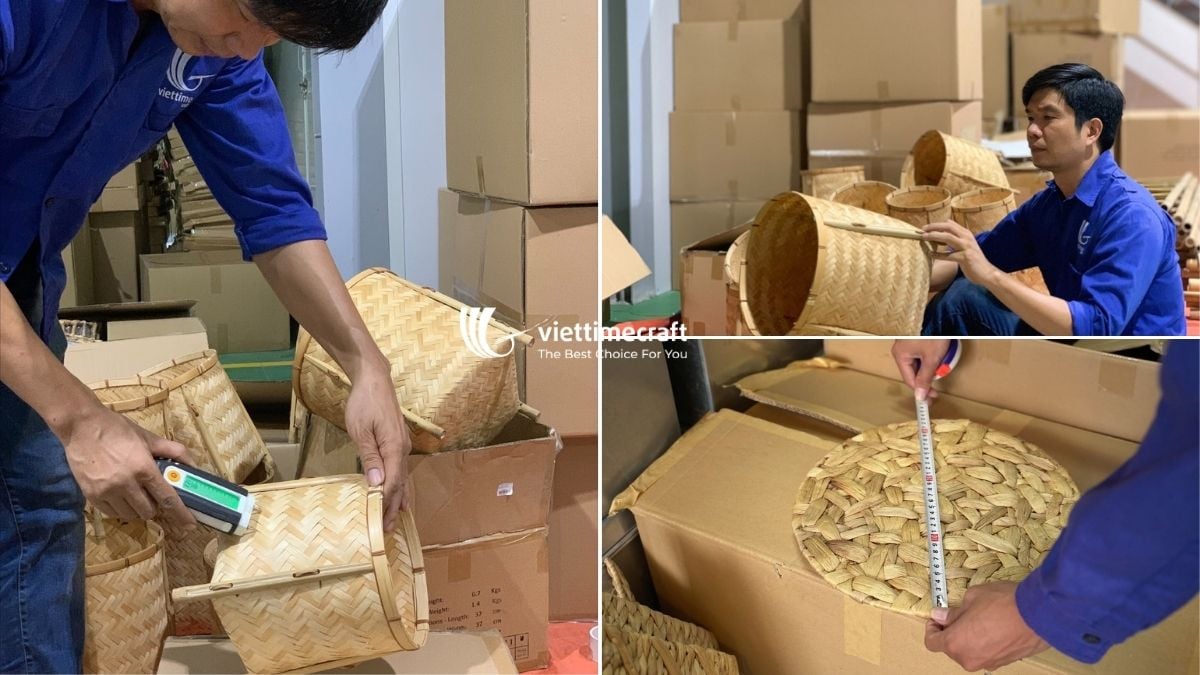
Moisture is the number‑one killer of rattan shipments. The target before packing is 8–12% moisture content (measured with a pin‑type moisture meter on the thickest part of the frame). Poles above 14% create a micro‑environment inside the carton that fuels mold growth even with silica gel packets.
In‑factory moisture checklist:
- Test moisture of five random poles per completed chair before final pack‑out.
- Record ambient air humidity in the finishing area ≤ 65% (if higher, drying time doubles).
- Insert Silica gel sachets (≥ 250 g per carton) and seal cartons within 4 hours of finishing.
- Use 5‑ply export cartons with a PE‑lined inner bag for extra moisture barrier.
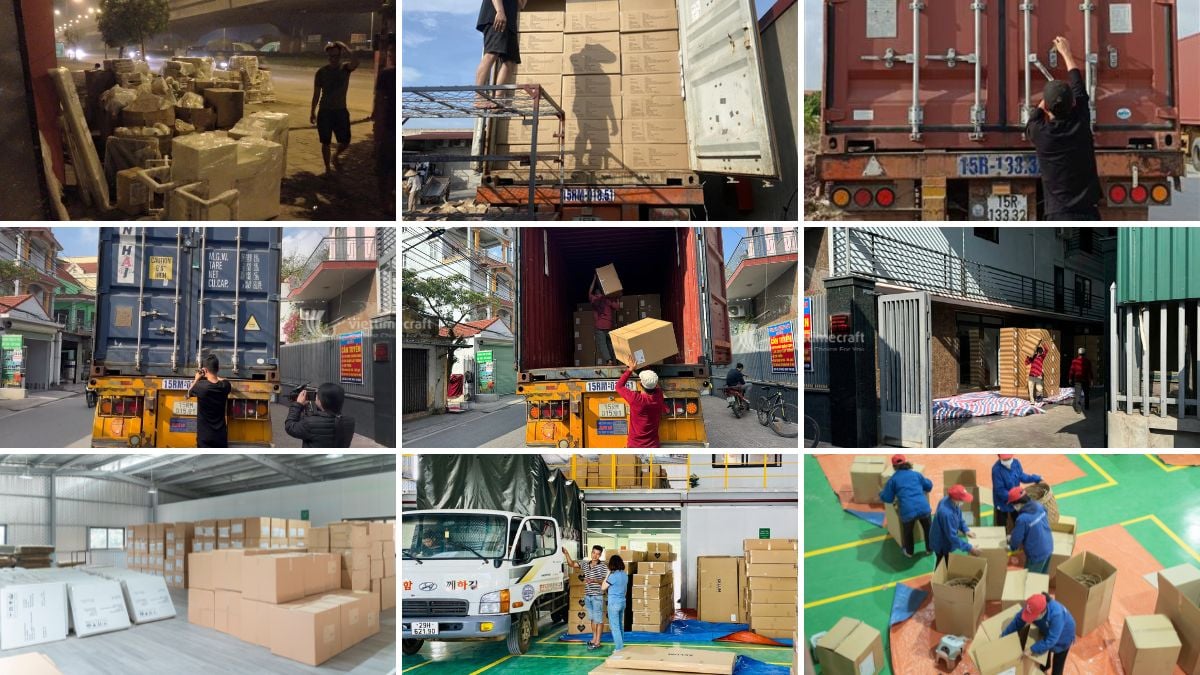
For sea freight, specify “container must be stuffed under roof in dry conditions” and avoid loading during monsoon season (May–September in Vietnam) unless the factory has climate‑controlled storage.
What Factory Audit Steps Confirm Consistent Quality for Bulk Orders?
A factory visit isn’t always possible, but you can demand certain documentation and real‑time video evidence. Request the following pre‑production package before releasing the deposit:
- Floor manager tour video showing raw rattan racks, drying kilns, anti‑mold dipping tanks, and assembly benches – not just a brochure highlight reel
- In‑line QC checkpoint log: The factory should provide a sheet showing hourly checks of joint glue application, weaving tension, and surface finish for your order
- BSCI/SMETA audit report dated within the last 12 months to confirm ethical labor practices and workplace safety
Quick Factory Audit Pay‑Off Table
| Audit Element | Why It Matters | What to Ask For |
|---|---|---|
| BSCI/SMETA report | Ethical sourcing compliance for retail clients | Report dated within 12 months |
| Weaving team headcount | Ensures capacity to meet your lead time | Name of team leader + number of weavers assigned to your order |
| Anti‑mold treatment logs | Confirms proper application, not just a promise | Batch number, date, active substance, concentration |
| Moisture test records | Prevents container mold claims | Five chair readings per shipment |
Mistakes to Avoid When Sourcing Bulk Rattan Chairs
- Skipping prototype approval: Always see and physically test a final‑version prototype with your chosen finish and joinery before production. A digital photo is not enough.
- Accepting “we use natural drying” without proof: Sun‑dried rattan can vary by 5–8% moisture points across a single bundle. Insist on mechanical kiln drying.
- Ignoring packaging specs: A chair that passes all quality tests can still arrive broken if packed with too little void fill. Request a drop‑test report (1.2 m onto concrete) for your specific carton configuration.
- Overlooking shipping route humidity: Tropical transshipment ports (e.g., Singapore, Port Klang) add humidity risk. If your route passes through those zones, require desiccant bags in the container, not just carton‑level silica.
Frequently Asked Questions
Can I trust a factory’s in‑house QC or do I need third‑party inspection?
For a first‑time order over $15,000, always hire a third‑party inspector. Their report creates an independent layer of accountability that a factory’s own QC cannot replicate. For repeat orders with a proven supplier, you can scale back to spot checks.
How long does a full pre‑shipment inspection for rattan chairs take?
A standard PSI for a 100‑chair lot takes about 4–6 hours on‑site, covering random selection, dimensional checks, moisture readings, joint stress tests, and carton drop tests.
What does it mean if a factory uses “kiln‑dried” rattan, but the moisture reading is 13%?
A reading above 12% indicates incomplete drying or storage in a humid environment after drying. Push for re‑drying and a re‑test before packing. A factory that resists this request should be avoided for bulk orders.
Start Your Rattan Chair Sourcing with Verified Quality
Partnering with a Vietnam manufacturer that already operates under BSCI‑ and SMETA‑certified facilities gives you a head start. Contact ViettimeCraft to request a sample set with full load‑test, moisture, and finish documentation before you commit to a container. You can also explore our rattan furniture (tables & chairs) range and view wholesale rattan products to match your required grade. Ready for a deeper discussion? Schedule a virtual factory tour through our contact page and receive a custom audit checklist tailored to your order size.