
 Home
Home
Vietnam‑sourced sustainable rattan garden furniture designs are shaped by five core directions in 2027: raw finishes, mixed‑material, modular sets, sculptural forms, and hyper‑local patterns. Rattan garden furniture is one of the fastest‑growing segments for importers who want to combine nature‑driven design with dependable margins. In 2027 the big shift is from generic “brown wicker” to design‑led collections that tell a story.
For you as a wholesale buyer, staying ahead means understanding exactly which shapes, finishes, and material blends your retail customers will ask for eight months from now. This guide distills the 10 trends that will define high‑demand catalogs through 2027, with specific advice on how to adapt your orders through Vietnam’s most experienced rattan manufacturer.
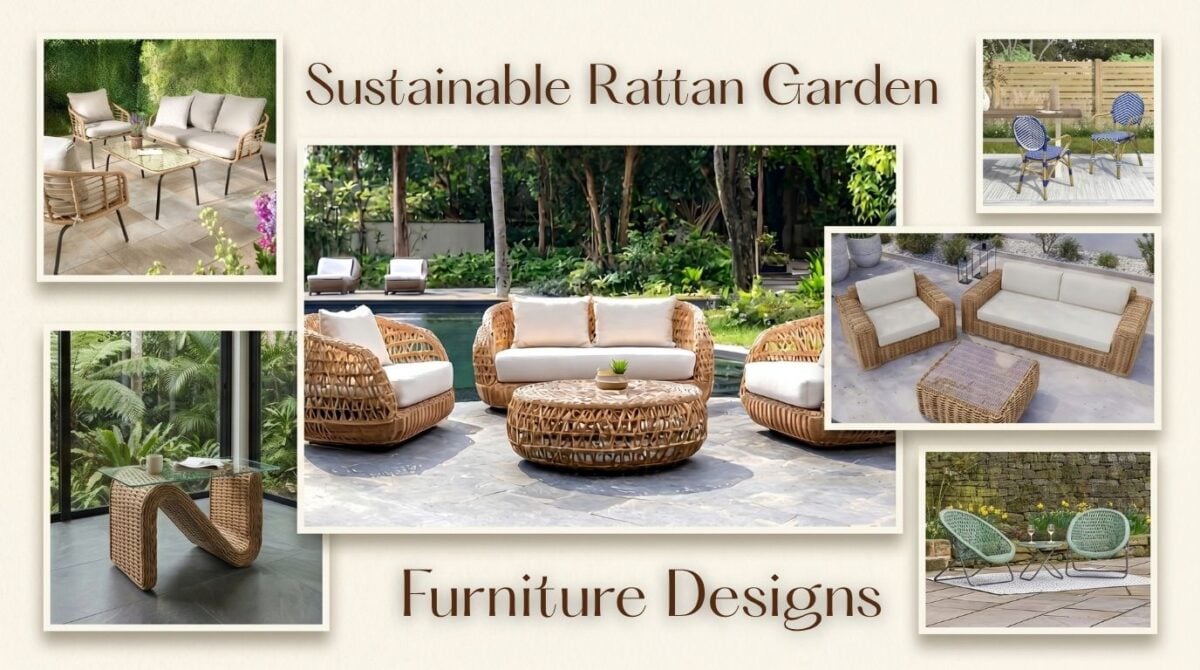
Why sustainable rattan garden furniture designs are dominating 2026 buyer demands
Retailers and D2C brands no longer sell “outdoor furniture” as a commodity. They sell a lifestyle that combines eco‑consciousness with Instagram‑ready styling. Rattan’s natural origin, fast renewability (harvesting cycles of 4–7 years) , and handcraft heritage give it a built‑in sustainability narrative that factory‑made plastic or powder‑coated steel cannot match. The top 10 trends sustainable rattan garden furniture designs below reflect how this narrative is being refined into sellable collections.
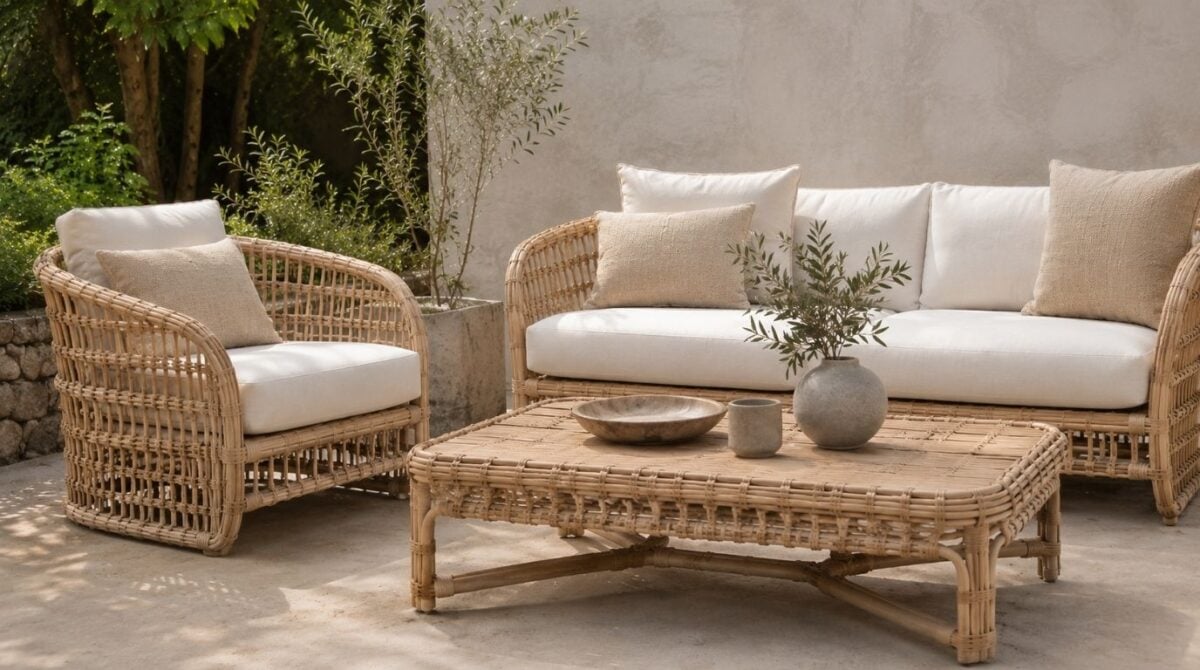
Trend 1: Why raw, unbleached finishes are defining this year’s premium outdoor collections
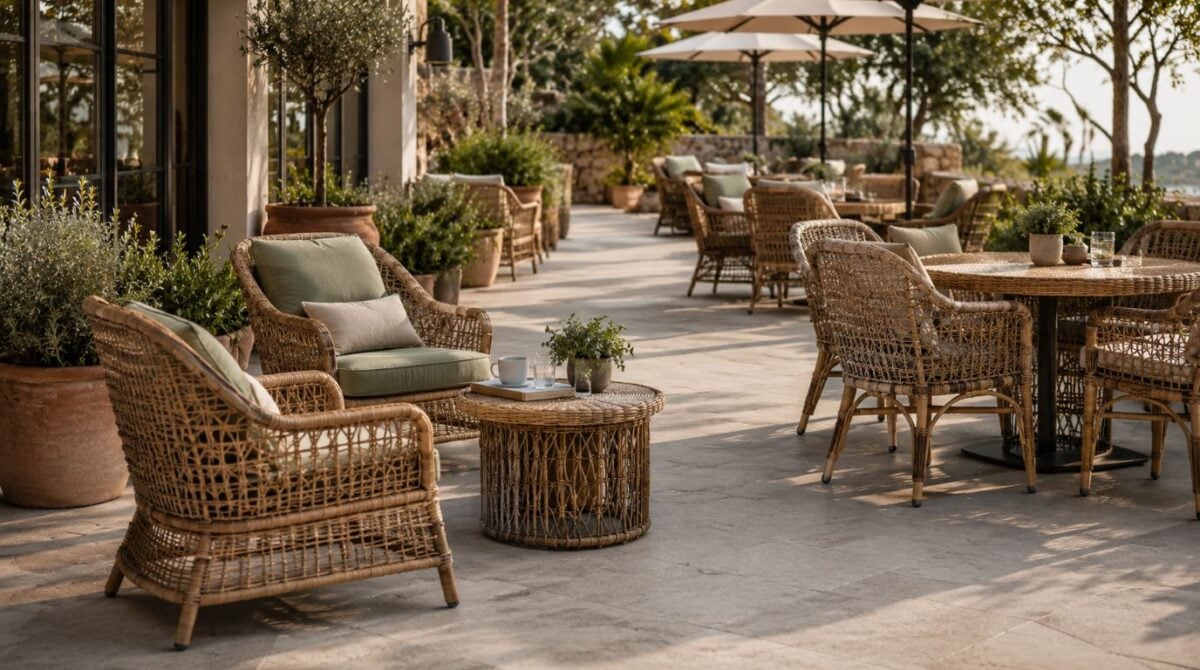
A growing share of European and North American retailers are rejecting glossy lacquers in favor of an almost‑unfinished look that reveals the natural grain and slight color variations of rattan core. This aesthetic signals “pure nature” and appeals to high‑end garden centers and design shops. From a production standpoint, raw finishes reduce post‑weaving treatment steps and therefore lower the defect rate from uneven coating. Our factory can supply a clear, water‑based UV‑protective seal that maintains the matte, raw appearance while meeting export‑grade moisture resistance.
Trend 2: How mixed‑material designs elevate rattan garden furniture for retail margins
Combining rattan with powder‑coated aluminum frames or twisted polyethylene rope is the fastest way to increase unit retail price. The juxtaposition of warm natural fiber and cool industrial metal creates a “designed object” feel that commands 20‑40% higher RRP than all‑rattan equivalents in test markets . As a manufacturer with in‑house metalworking, we offer OEM combinations where you specify the frame color and rope accent. Minimum mixed‑material orders start at 150 pieces, with a sampling window of 15‑20 business days.
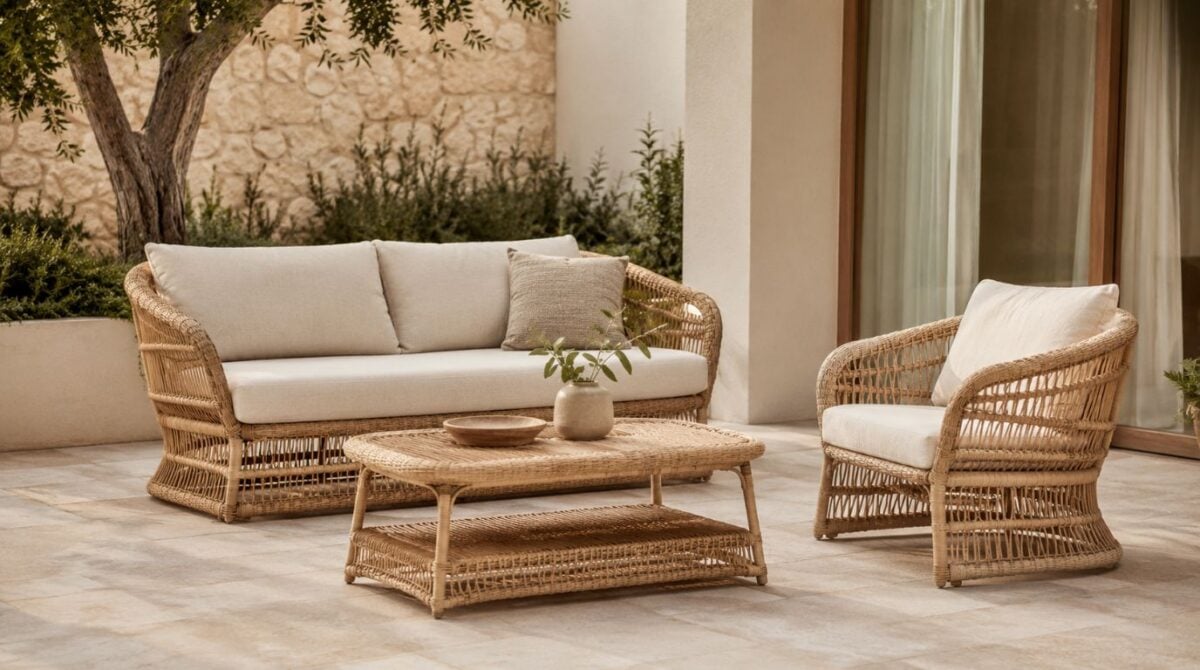
Trend 3: What modular and convertible rattan furniture means for your buy‑plan
Urban outdoor spaces continue to shrink, and retailers need sets that can transform from a two‑seater conversation group to a sun‑lounger or a dining table. Modular design, where base units connect via hidden brackets, lets customers reconfigure the layout without tools. For importers, the challenge is that modular pieces require tighter dimensional tolerances. Our CAD‑guided weaving ensures that connecting hardware aligns consistently across production batches, reducing returns. Typical MOQ for modular collections is 200 units, with an additional 10‑day engineering check before mass weaving starts.
Trend 4: Sculptural rattan forms that turn furniture into art statements
Organic, asymmetric shapes are replacing predictable rectangular frames. Think curled rattan chair backs, free‑form coffee tables, and wavy bench slats. These pieces are labour‑intensive and demonstrate a skill level that only a handful of Vietnam’s artisan villages can deliver at scale. We recommend positioning these as “showpiece” items within a broader collection, they bring foot traffic to the catalog but should not exceed 20% of your order volume because production throughput is 30‑40% slower. Work with our R&D team early: custom sculptural samples take 25‑35 days.
Trend 5: Why hyper‑local weaving patterns are your new differentiator
Markets in Australia, the UAE, and Northern Europe increasingly ask for patterns that reference specific weaving traditions, for example, the diamond “mat” weave of Quang Nam province or the intricate double‑strand pattern from Ninh Binh. These patterns become a story that brand marketers use in social content. Our supply network draws from a dozen craft villages, each with its own signature weave. When you place an order for a hyper‑local pattern, we can allocate production to the specific village that originated it, guaranteeing authenticity. Lead time increase is typically 15%.
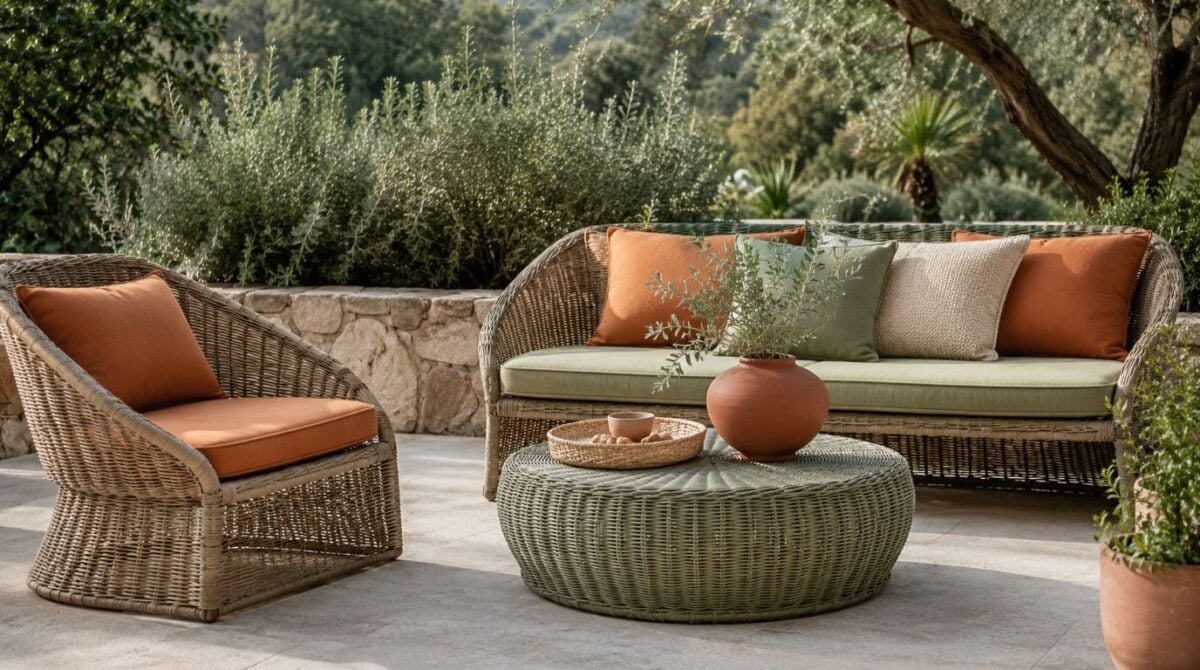
Trend 6: Earthy colour palettes moving from neutral to mineral tones
While pale sand and natural beige remain staples, 2027 is seeing a shift toward mineral‑inspired shades: deep ochre, terracotta, and soft sage. These are achieved with water‑based, low‑VOC dyes that penetrate the rattan surface while keeping the texture visible. Color‑treated rattan requires an extra curing step to prevent fading under UV exposure. We suggest ordering color‑trend items no later than September to hit the spring‑flush restock window, because dye lot availability can affect large runs.
Trend 7: How to build a lighting‑integrated rattan furniture range
Embedding LED strips or solar‑powered lighting into rattan sofa frames and side tables is a high‑demand add‑on for hospitality buyers (boutique hotels, resort chains). The technical challenge is waterproofing the electrical housing while keeping the woven look seamless. Our team has developed a recessed channel system that accepts standard 12V LED strips and passes IP65 splash testing. Electric‑integrated pieces require additional safety certification; we can provide CE / UL test‑house referrals, though final certification remains the buyer’s responsibility.
Trend 8: Lightweight, foldable designs for e‑commerce shipping
Online‑first retailers need products that minimise volumetric weight without sacrificing structural integrity. Foldable rattan chairs and collapsible side tables reduce parcel dimensions by 40‑60%, cutting last‑mile shipping costs drastically. We’ve engineered a foldable rattan dining chair (model VT‑FC06) that supports 120 kg and folds to 8 cm flat. Ask our product team for the flat‑pack catalogue to include in your e‑commerce range.
Trend 9: The rise of rattan garden furniture for commercial spaces
Cafés, co‑working patios, and hotel terraces are replacing plastic seating with natural rattan to strengthen their sustainability credentials. Commercial buyers require contract‑grade durability: reinforced leg joints, anti‑scratch foot caps, and frame warranty of at least 3 years. Our contract series uses a double‑wrap rattan core on a 2 mm steel inner frame, rated for 500+ daily uses. Minimum order for contract‑grade collections is 300 units, with on‑site quality audit reports available.
Trend 10: Personalised OEM branding that turns furniture into an own‑label line
More importers are shifting from white‑label to own‑brand collections. We provide full OEM service: custom hang tags, laser‑engraved logos on leg caps, and bespoke packaging with your brand’s colour palette. This elevates your products from commodity to proprietary line. OEM‑branded MOQs start at 50 units per SKU and add 7‑10 calendar days to the standard lead time for logo‑mould production.
Mistakes to Avoid When Sourcing Trend‑Driven Rattan Collections
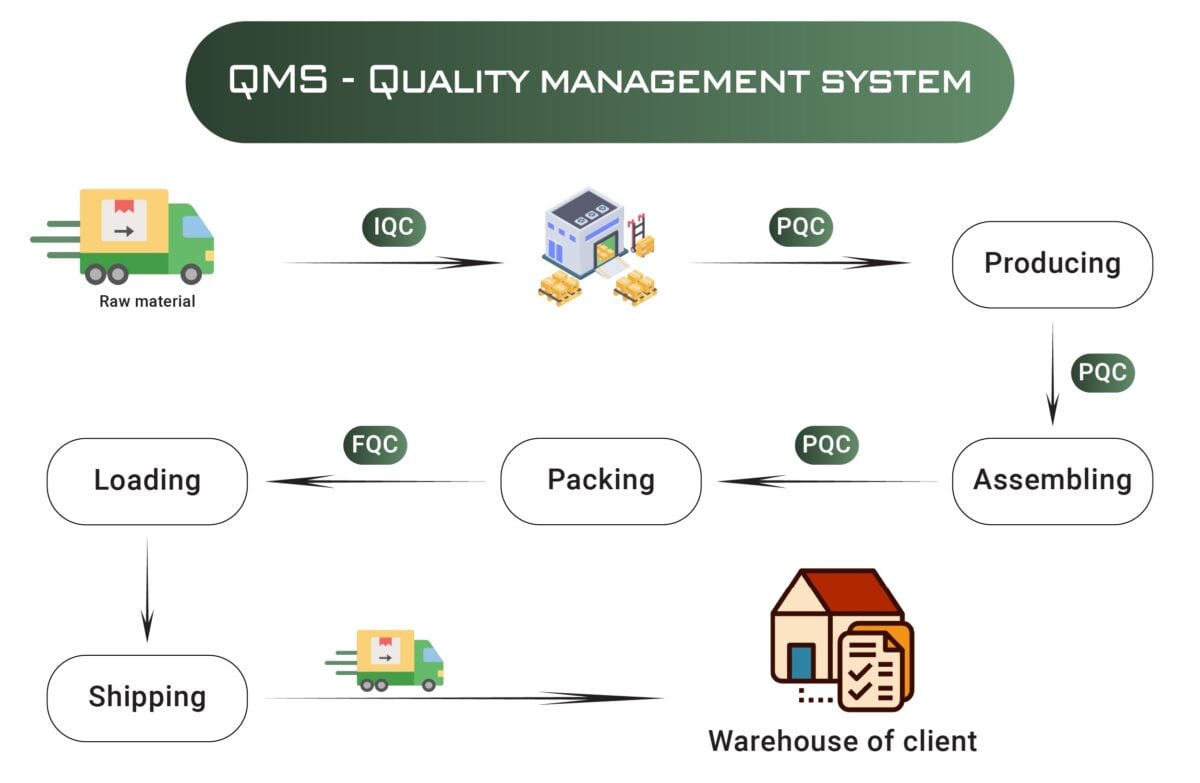
- Chasing every colour without lead‑time buffer – dye‑lot consistency requires at least 45 days before ship date. Build 3‑4 colour slots, not 10.
- Ignoring the “boring‑but‑essential” base model – every trend‑driven order should include a 30% buffer of classic, best‑selling shapes that turnover consistently, even if a specific trend fades.
- Skipping antimicrobial treatment on raw‑finish pieces – natural, untreated fibres can develop micro‑fuzz that deteriorates fast in humid climates. Always specify factory‑applied anti‑mold treatment.
- Underestimating the role of packaging in trend perception – premium trends deserve premium unboxing; we offer custom‑printed 5‑ply export cartons and silk‑paper inner wrapping. Plan packaging design lead time separately from product lead time.
Frequently Asked Questions
What is the minimum quantity to order custom‑designed rattan garden furniture? For OEM rattan furniture, our typical MOQ starts at 50 units per design. For mixed‑material or contract‑grade pieces, MOQ may rise to 50‑100 units, depending on component complexity.
How far in advance should I place an order for the spring outdoor season? Based on our lead‑time analysis, we recommend confirming purchase orders by the end of October to guarantee on‑time delivery for a March retail shelf date. Orders placed after January often incur rush‑order surcharges and higher risk of transit delays.
Can ViettimeCraft combine trends into a single collection? Yes. We frequently develop collections that blend two or three trends, for example, raw‑finish modular sets with regional weaving patterns. Our R&D team works from your mood board to create a unified catalogue concept while ensuring each piece meets the price‑point targets you need. Share your brief via our contact page to start the dialogue.
Take the Next Step
The trends above will separate the best‑selling catalogues from the also‑rans in 2027. Don’t wait until your competitors have already placed their orders. Reach out to our sourcing specialists for a complimentary trend‑aligned proposal that includes preliminary sketches, MOQ estimates, and an indicative lead‑time calendar.
Request a custom collection brief →
Explore our full range of wholesale rattan products, browse rattan furniture collections, and check our best‑selling rattan planters that complement outdoor garden sets.