
 Home
Home
Rattan papasan chairs are leading the eco-friendly home decor boom with natural, biodegradable materials, ergonomic comfort, and boho design appeal. ViettimeCraft, a Vietnam-based manufacturer, offers OEM/ODM papasan seating with flexible MOQs, anti-mold treatment, and space-saving packaging for global importers.
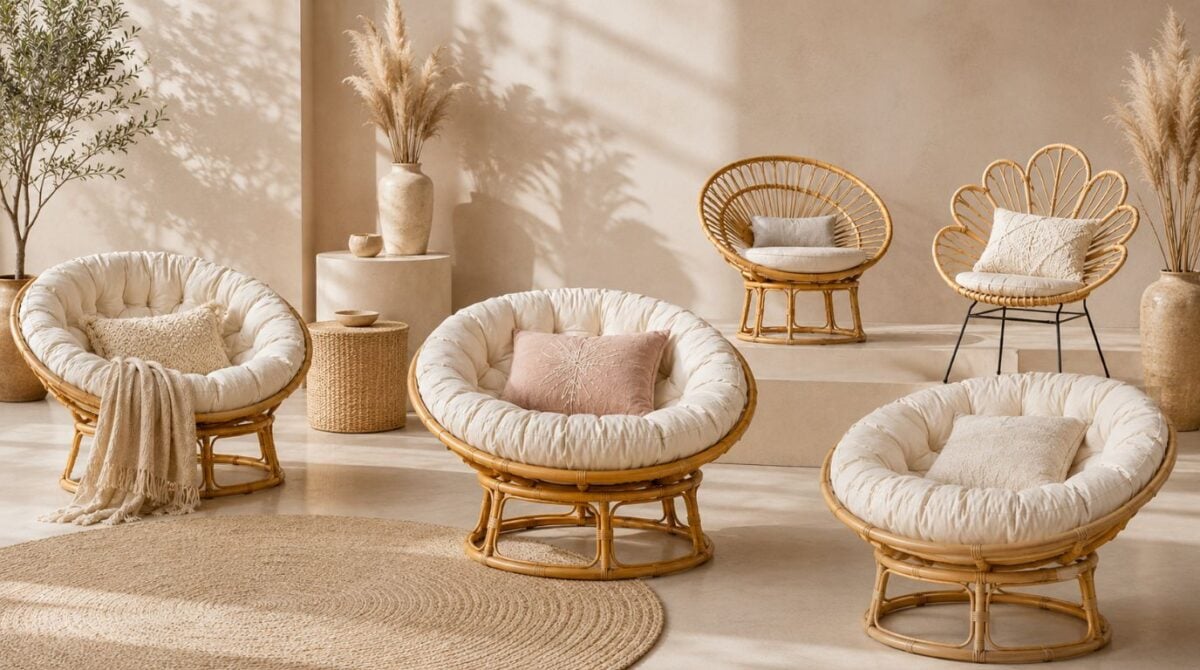
Why Rattan Papasan Chair is Dominating the Eco-Friendly Home Decor Market
Eco‑conscious consumers want furniture that looks inviting, uses renewable resources, and lasts for years. The rattan papasan chair delivers on all three counts better than most lounge pieces on the market. Made from solid rattan poles harvested in managed plantations, the bowl‑shaped seat wraps the user in comfort while the natural finish fits effortlessly into boho, coastal, Scandi, or Japandi interiors. For B2B buyers, this translates into a product that moves quickly off retail shelves and commands healthy margins.
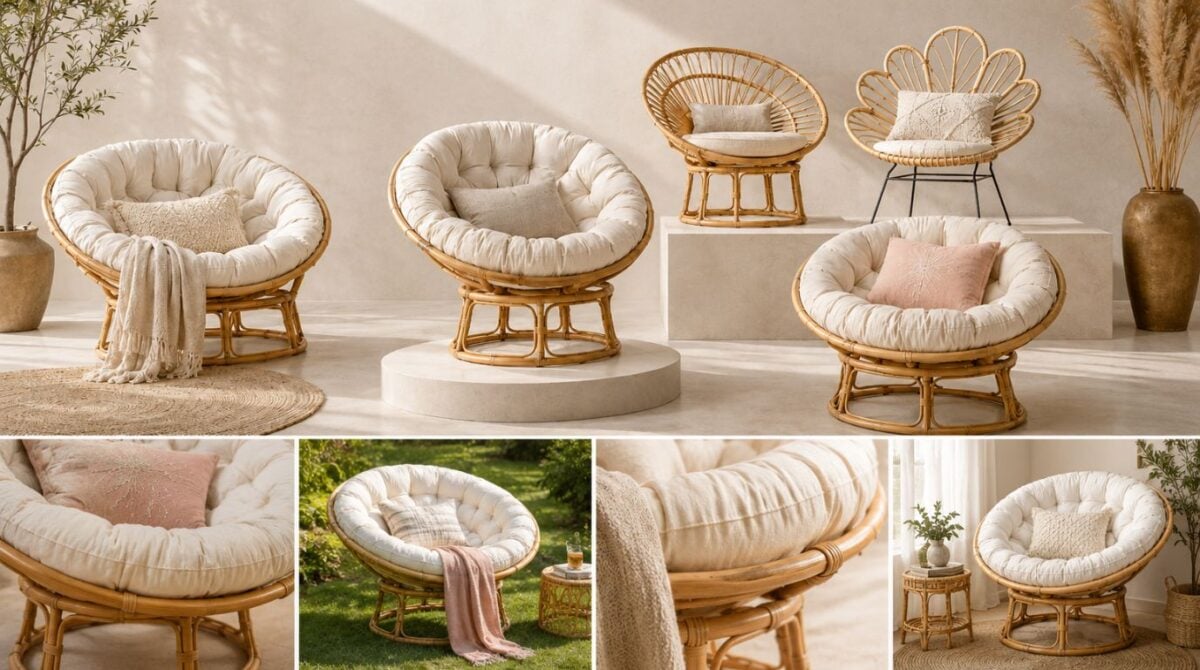
At the same time, the papasan silhouette is highly recognizable, which makes it a standout conversation piece in showrooms and online catalogs. As the home decor sector shifts from synthetic materials back to nature‑derived options, papasan chairs currently occupy a prime position, unique enough to attract trend‑savvy customers yet mainstream enough to sell 12 months a year.
What Makes Rattan Papasan Chairs a Standout Eco‑Friendly Option?
The papasan chair’s dominant position in sustainable decor starts with the raw material. Genuine rattan is a solid, flexible vine that grows quickly in tropical forests, regenerates after harvest, and sequesters carbon throughout its lifecycle. Unlike hollow bamboo or synthetic wicker, rattan provides durable structural strength without metal reinforcement, which means the chair remains 100% biodegradable at end‑of‑life .
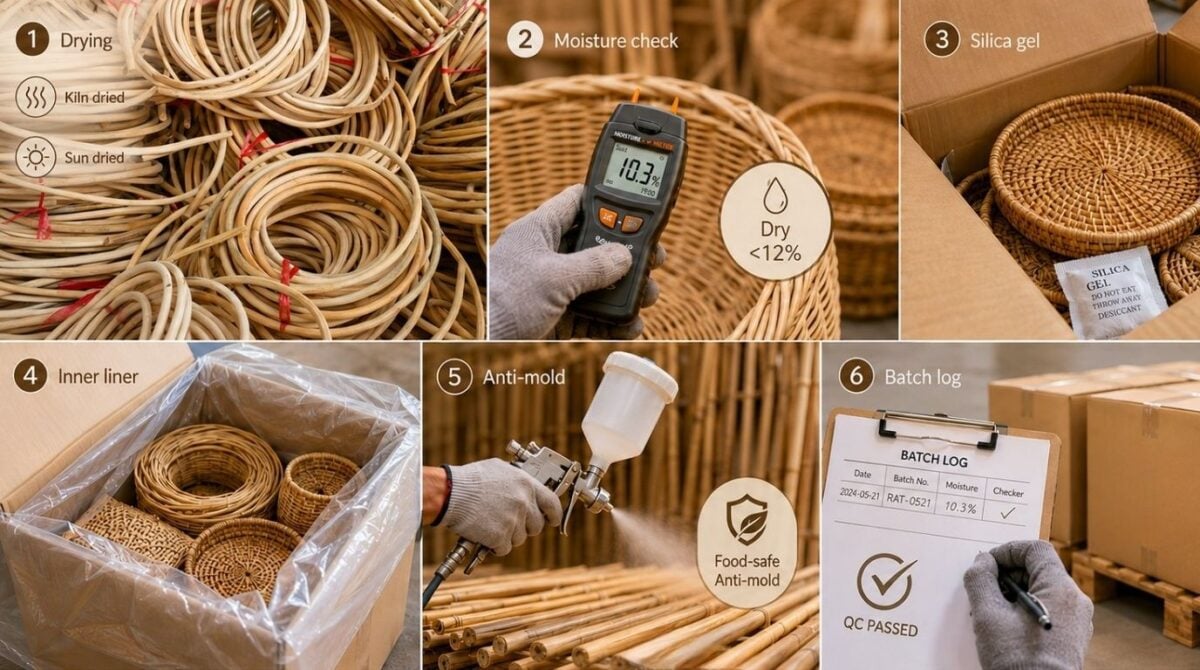
Manufacturers like ViettimeCraft treat every rattan pole with anti‑mold solution and control moisture content before weaving. This process eliminates the risk of fungal growth during sea freight, a critical factor for importers shipping to high‑humidity destination ports. The result is a product that can sit on a sales floor or in a warehouse for months without degrading, reducing the odds of chargebacks.
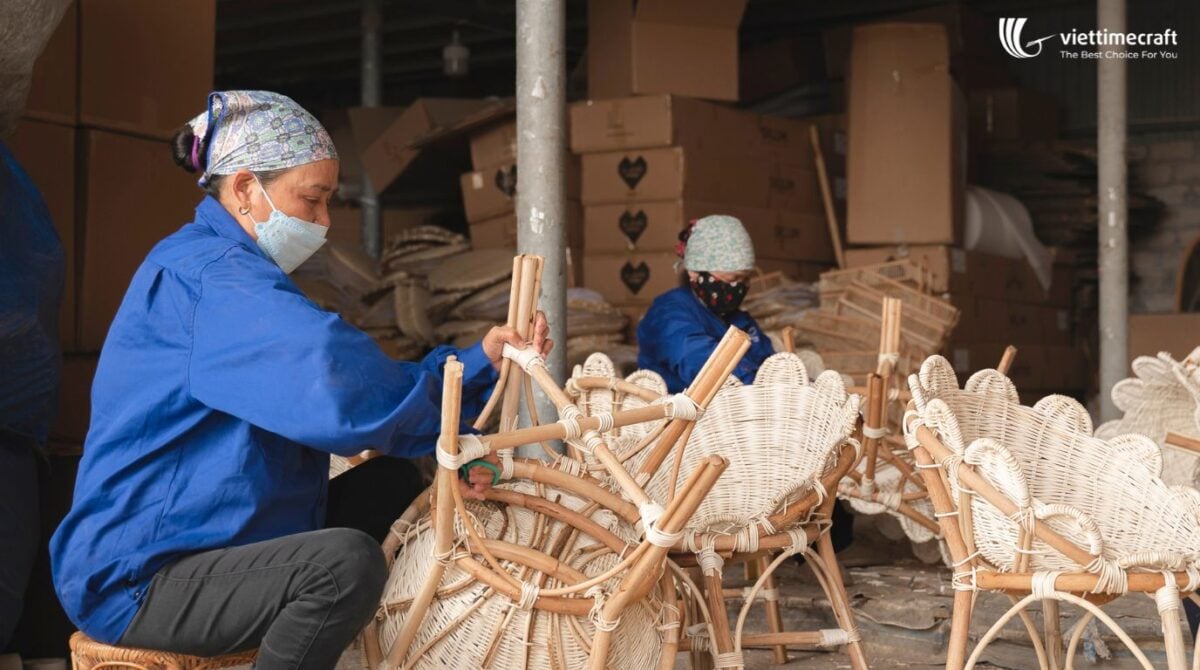
From a marketing standpoint, a “solid rattan” label is a powerful differentiator. Retailers can highlight the material’s eco‑credentials (renewable, biodegradable, low‑VOC finishes) and pair the papasan chair with other natural‑fiber accessories such as jute rugs or seagrass baskets. This cross‑category appeal multiplies basket sizes and makes the papasan a natural anchor for “green living” merchandising.
Why Are Retailers and Importers Prioritizing Rattan Papasan Chairs Right Now?
Three forces are converging to make papasan chairs an urgent buy for wholesalers:
The Boho‑Comfort Megatrend: Google searches for “boho living room ideas” and “natural fiber furniture” have climbed consistently over three years. The papasan chair, with its round silhouette and cocoon‑like seat, is the quintessential boho statement piece. Importers who list it early in a trend cycle capture the highest margins.
Season‑Proof Design: Unlike heavy‑metal‑frame lounge chairs, a rattan papasan works equally well indoors (bedroom, reading nook) and in covered outdoor settings. This dual‑use flexibility means retailers sell the same SKU across multiple departments, increasing stock turn.
Supply‑Chain Control via Vietnam: Vietnam’s handicraft cluster offers skilled weavers, FSC‑certified rattan sources, and shorter lead times than many competing origins. ViettimeCraft, for instance, can produce OEM papasan chairs in 45‑60 days with sampling completed in 14‑21 days.
How Does a Solid Rattan Papasan Chair Compare to Other Lounge Seating?
The table below helps procurement teams evaluate papasan chairs against common alternatives.
| Seating Option | Best For | Main Tradeoff | Typical Ex‑Factory Price (FOB Vietnam) |
|---|---|---|---|
| Solid Rattan Papasan Chair | Boho‑style living rooms, reading nooks, eco‑conscious retailers | Larger footprint; not stackable | $22 – $42 per unit (100 pc MOQ) |
| Upholstered Accent Chair | Formal living spaces, executive lounges | Higher cost, synthetic materials may clash with eco messaging | $35 – $80 per unit |
| Wicker Lounge Chair (PE/synthetic) | Outdoor patios, areas exposed to direct rain | Looks upscale but lacks biodegradability; heat retention in sun | $18 – $35 per unit |
| Foldable Wooden Deck Chair | Balconies, budget‑conscious lines | Minimal comfort over long sitting periods; weaker aesthetic appeal | $12 – $25 per unit |
Prices are indicative and subject to material fluctuation.
The papasan chair’s sweet spot is the intersection of sustainability, aesthetic impact, and affordable luxury. It outperforms synthetic wicker on eco‑credentials while undercutting upholstered options on cost, a combination that suits mid‑market to premium‑mass retail tiers.
What Should Buyers Know About Manufacturing and MOQs for Papasan Chairs?
Purchasing a fully assembled papasan chair from Vietnam involves several operational decisions that affect landed cost and delivery speed.
MOQ and Grading: ViettimeCraft’s standard MOQ for ODM/OEM papasan chairs is 50-100 pieces per design. Buyers who order 500+ units across mixed designs can negotiate tiered pricing. Every shipment includes a pre‑shipment inspection report that covers joint strength, weave uniformity, and cushion stitching.
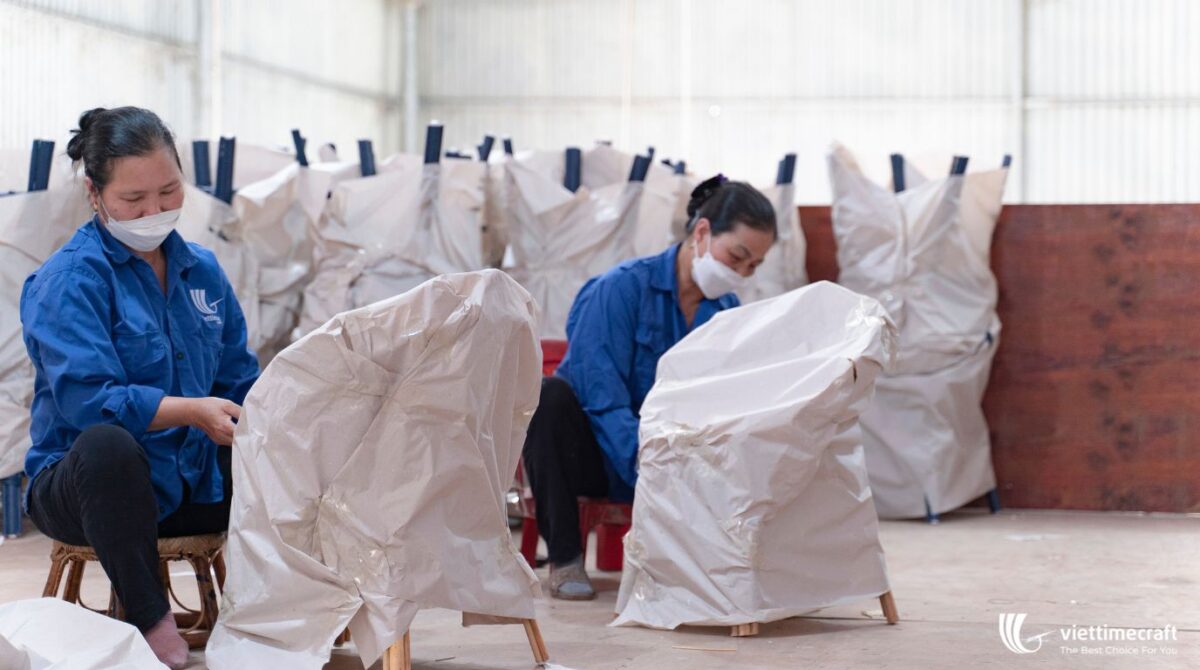
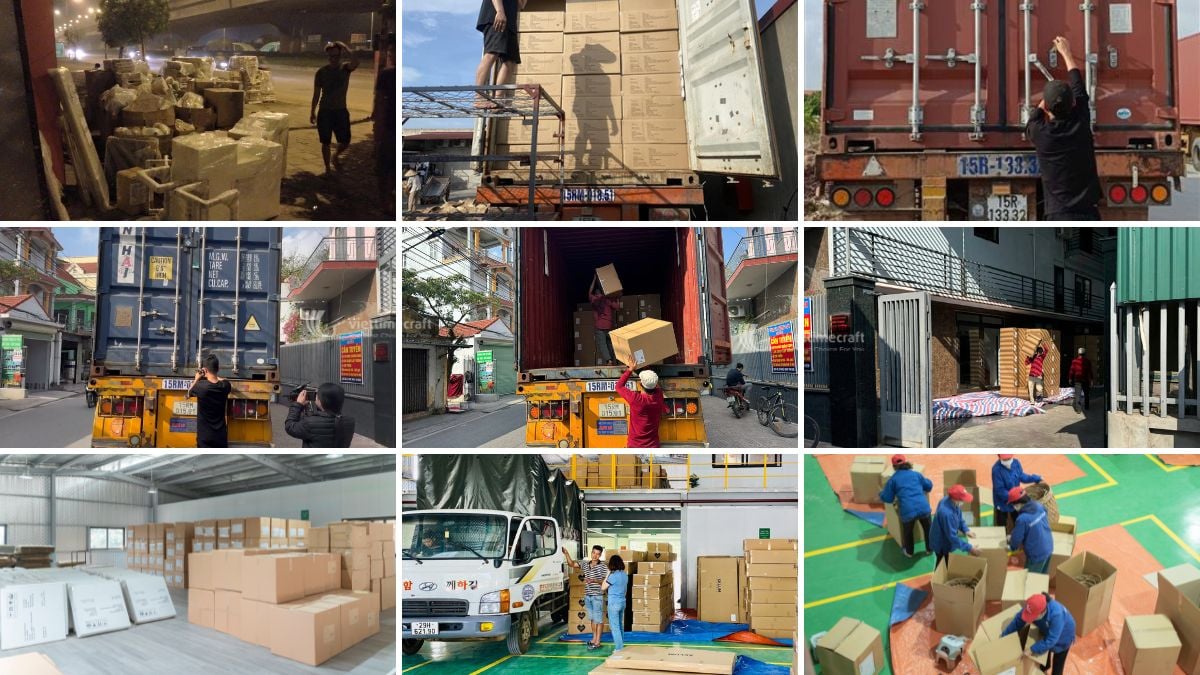
Freight Packaging: Papasan chairs are naturally bulky, but experienced manufacturers nest the bowl‑shaped frames inside one another and use reinforced 5‑ply export cartons. This method cuts cubic volume by roughly 25% compared with uninstructed packing. For a 20‑foot container, that can mean fitting 120‑150 chairs instead of 90.
Lead‑Time Buffer for Seasonal Peaks: Production queues lengthen during Q3 (pre‑holiday cycle) because factories handle multiple rush orders. Placing orders by late Q1 for a summer launch or by late Q2 for a holiday‑season campaign is advisable.
Five Mistakes Buyers Make When Sourcing Rattan Papasan Chairs
Confusing Hollow Bamboo with Solid Rattan
Some suppliers pass off bamboo look‑alikes as “rattan.” A genuine papasan frame is made from solid rattan core, not hollow tubes. Buyers can request a cross‑section photo or a core sample to verify material integrity.Ignoring Moisture‑Control Processes
Overseas containers can sweat during transit. Factories that skip kiln drying or omit silica gel sachets in packaging risk delivering moldy frames. Confirm that your supplier performs anti‑mold treatment and includes moisture absorbers in every carton.Over‑Specifying Without Assessing Assembly
Papasan chairs usually ship fully assembled. Designing an overly intricate frame can raise labor costs and also make nesting for ocean freight impossible. Work with the factory’s design team to balance visual appeal with stackability.Neglecting Cushion Fire‑Retardancy Regulations
Upholstered furniture sold in the UK, US, and EU must meet specific flammability standards (e.g., BS 5852, TB 117‑2013). Ensure your cushion supplier provides test certificates; otherwise, shipments can be held at customs.Underestimating Customs Clearance for Plant‑Based Products
Natural rattan may require a phytosanitary certificate or fumigation documentation, depending on the destination country. Check with your freight forwarder early to avoid demurrage charges.
When a Rattan Papasan Chair Might Not Be Right for Your Business
A papasan chair is not universally the best pick. Walk away from this SKU if:
- Your customer base demands stackable, space‑saving seating (the chair’s bowl shape doesn’t collapse and consumes nearly the same volume in storage as on the floor).
- You sell primarily to outdoor‑only retailers where exposure to constant rain would accelerate natural degradation, even with protective coatings.
- Your target price point is below $15 FOB, at that level, synthetic wicker or foldable metal chairs are more cost‑effective.
- Your logistics model relies exclusively on parcel‑sized shipments; the chair’s diameter typically exceeds 80 cm, making single‑unit small‑package shipping prohibitively expensive.
How ViettimeCraft Supports Your Papasan Chair Program
To read more about our full capabilities, visit our wholesale rattan furniture page.
Our teams work hand‑in‑hand with importers from design through delivery:
- Custom OEM/ODM Design, from raw sketch to pre‑production sample in as little as three weeks.
- Factory‑Managed QC, inline inspections at weaving, assembly, and packing stages, plus final AQL sampling.
- Specialized Packaging, nesting frames, reinforced cartons, and moisture absorbers to protect cargo during ocean transit.
- Documentation Support, phytosanitary certificates, Fumigation certificates, and Certificates of Origin prepared for customs clearance.
For buyers who want to pair the papasan chair with complementary categories, explore our spun bamboo bowls and seagrass rugs, both high‑performing lines that reinforce the natural‑materials story.
Ready to test the market with a trial order? Contact ViettimeCraft to request current papasan chair specifications, pricing, and lead‑time estimates.
Frequently Asked Questions
Are rattan papasan chairs durable enough for commercial use?
When built with solid rattan core and proper joinery, a papasan chair can hold well over 150 kg. Our factory validates every new design with static‑load tests and repeated‑use simulations. Specify commercial‑grade cushion foam if the chairs will sit in hotel lobbies or high‑traffic lounges.
How long does ocean freight take from Vietnam to the US or EU?
Typical transit times are 28‑35 days to the West Coast of the United States and 28‑38 days to key European ports (Rotterdam, Hamburg). East Coast US shipments trans‑shipped via the Panama Canal may take 35‑45 days. Always add 7‑10 days for customs clearance and final‑mile delivery.
Can papasan chair frames be stained or painted?
Yes. ViettimeCraft offers water‑based stains in natural, teak, ebony, driftwood, and custom tones. For a painted look, we apply multiple coats of low‑VOC paint with a protective top coat. Color‑fastness is tested under standard UV exposure protocols. Discuss your specifications at the sampling stage so we can validate the finish before mass production.
What is the minimum order for a completely custom papasan chair design?
We typically set an MOQ of 50-100 pieces for a fully custom shape or a new cushion pattern. This threshold covers the tooling, jig setup, and dedicated sampling effort.
Reach out to ViettimeCraft’s sourcing team via our contact page with your target quantity and specification ideas. We’ll return a detailed quotation, production timeline, and packaging proposal within two business days.