
 Home
Home
Vietnamese lacquerware fuses natural resin, bamboo, and coconut shells into high‑gloss decorative objects. Leading importers in the US and EU now specify custom lacquer trays, boxes, and vases for contemporary hospitality and residential interiors.
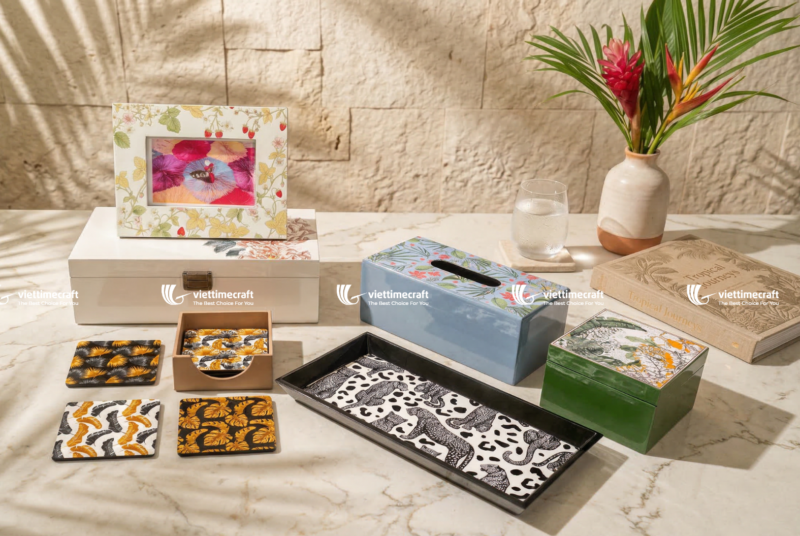
Why High-End Brands Integrate Lacquerware Into Modern Design?
Lacquerware delivers a glossy, polished surface that immediately signals luxury without the fragility of glass or the weight of solid marble. In 2024–2025 interior collections, top retailers and hotel chains moved lacquer from dining sideboards into statement wall art, mirror frames, and console‑top decor. The material’s deep color saturation, especially black, crimson, and midnight blue, fits minimalist and maximalist schemes equally well.
From a sourcing perspective, the real advantage is production flexibility. Unlike ceramic or metal, a skilled lacquer atelier can adapt shape, size, and finish to a brand’s exact design brief. ViettimeCraft regularly works with importers to produce custom‑sized lacquer trays that match a retailer’s existing tableware line, down to logo placement and color swatches. The result is a product that feels tailored, not like a generic import.
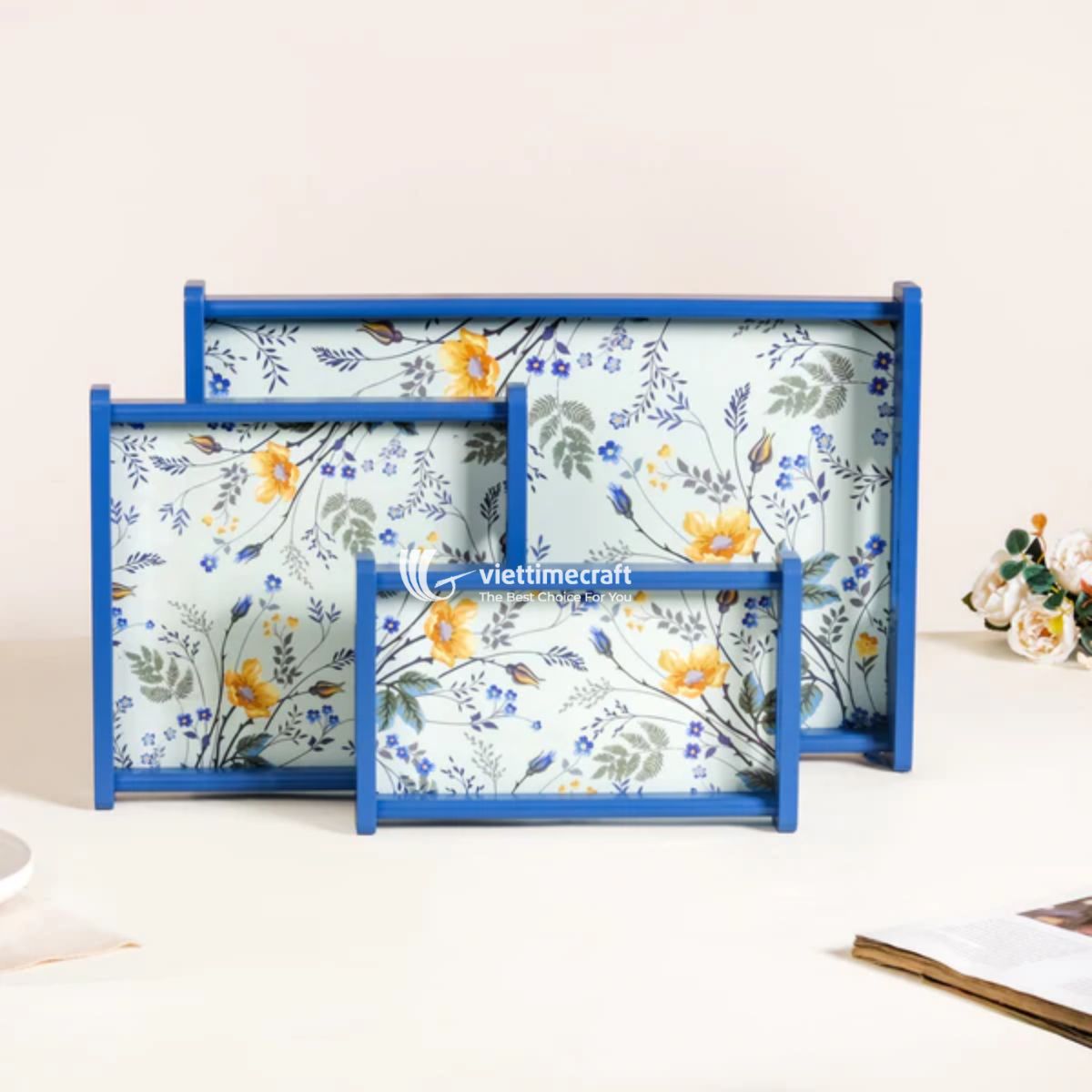
What Makes Vietnamese Lacquerware Different from Imitations
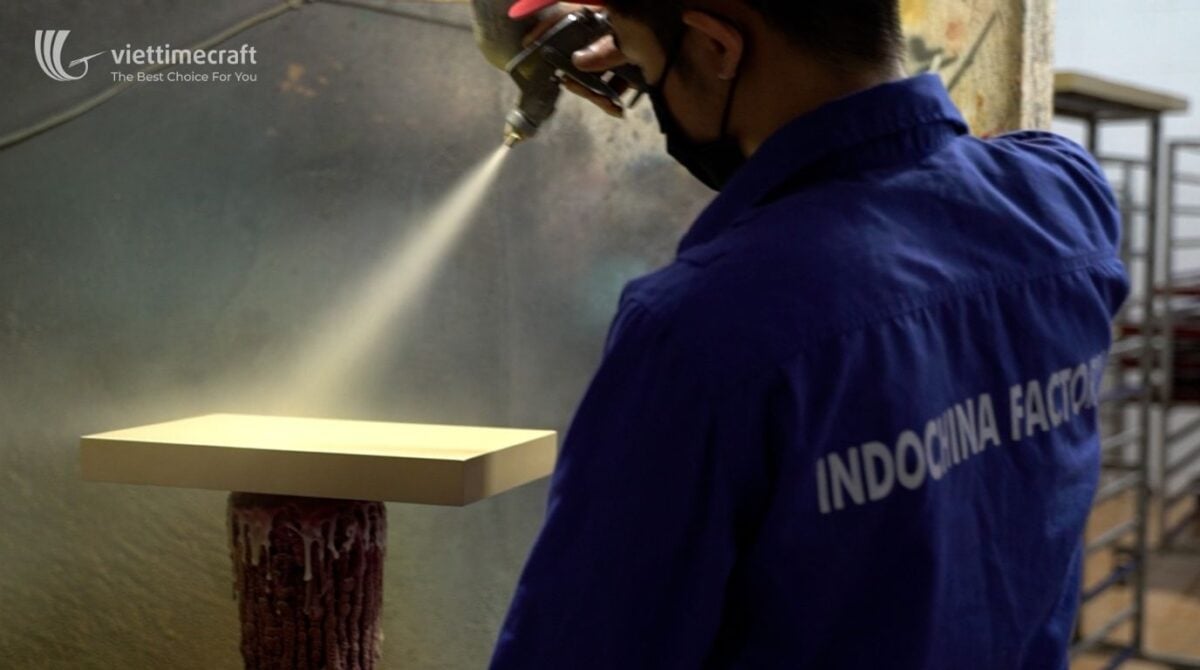
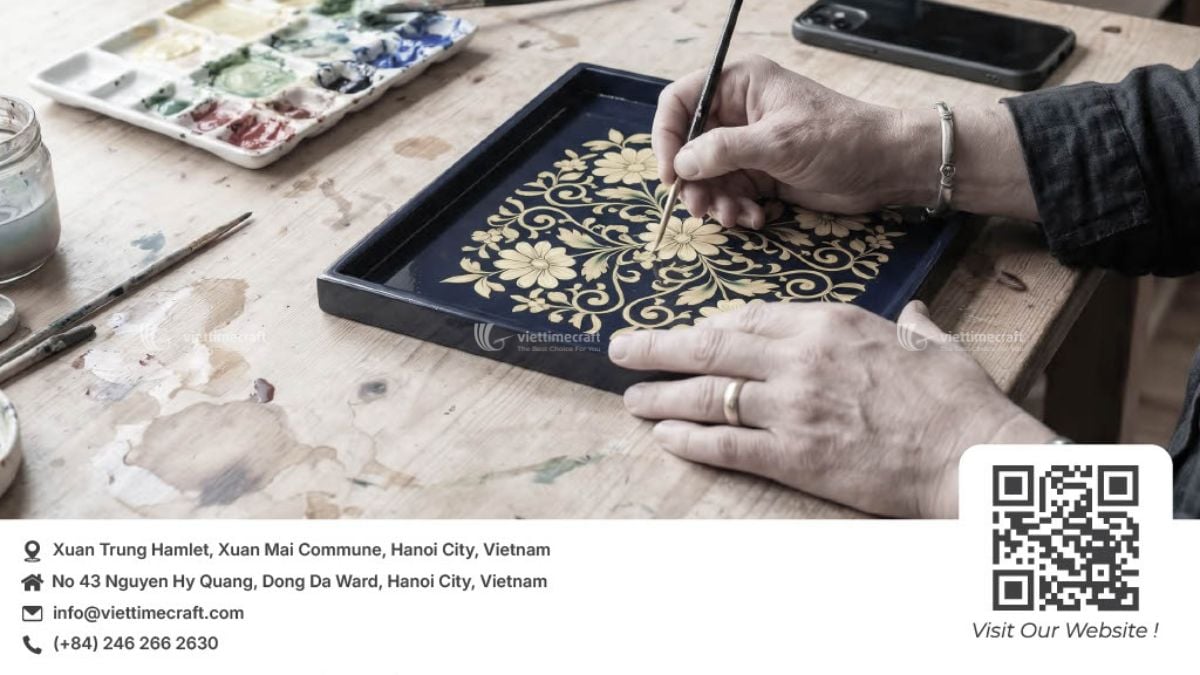
Vietnamese lacquer uses natural resin from the Rhus succedanea tree, applied in multiple thin layers over a bamboo or MDF core. Each coat is sanded and polished, building a depth that synthetic polyester or acrylic finishes cannot replicate. The traditional process requires 10‑15 days of curing per layer, which gives the final piece a heat‑resistant, water‑resistant surface suitable for both decorative and functional use.
Quick Comparison Table: Vietnamese Lacquer vs. Synthetic Alternatives
| Feature | Traditional Lacquer (Vietnam) | Polyester / Acrylic Lacquer |
|---|---|---|
| Core material | Bamboo, MDF, coconut shell | Plywood, plastic |
| Finish depth | Multi‑layer, hand‑polished | Single spray coat |
| Scratch resistance | High (cured resin hardens) | Medium |
| Heat tolerance | Up to 120°C | 60‑80°C |
| Price per piece (FOB) | $4‑$12 (varies by size) | $1‑$3 |
| Customization scope | Unlimited shape, color, logo | Limited color range |
Buyers investing in high‑end retail or hospitality projects almost always prefer genuine Vietnamese lacquer for its longevity and the storytelling potential of a traditional craft.
What OEM/ODM Possibilities Exist for Custom Lacquer Designs
ViettimeCraft offers two levels of customization to match a brand’s development stage and budget.
- ODM (Original Design Manufacturing): Importers select from existing lacquer shapes, trays, boxes, vases, mirror frames and modify finish colors, handle materials, or packaging design. This path keeps MOQs as low as 100-200 pieces per SKU and reduces sampling time to 10‑12 working days.
- OEM (Original Equipment Manufacturing): The buyer provides detailed technical drawings, a Pantone reference, and a target price range. Our in‑house R&D team then prototypes the item from scratch. Typical OEM milestones include 3‑5 rounds of sample refinement, final mold development, and a small pilot run of 50 pieces for market testing. OEM MOQs usually start at 500 pieces per color, and lead time from artwork approval to shipment is 60‑75 days.
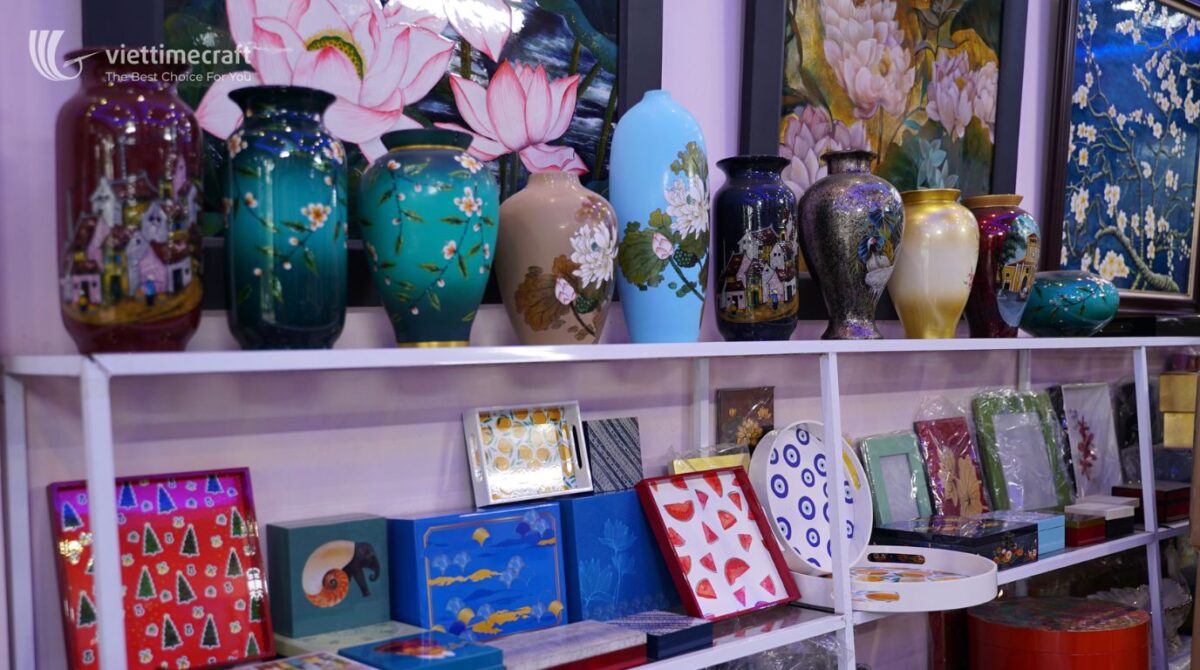
Whether you need a signature lacquer tray for a department‑store gift set or a custom‑shaped vase that mirrors a hotel’s logo curve, we treat the relationship as a co‑development partnership, not a transactional order.
What Are the Typical Lead Times and MOQ for Lacquerware Orders
| Order Type | MOQ per SKU | Sampling Time | Production Time | Ocean Freight (to US) |
|---|---|---|---|---|
| Stock collection | 50-100 pcs | 7 days (available samples) | 25‑35 days | 4‑6 weeks |
| ODM (modified existing shapes) | 100 pcs | 10‑12 days | 35‑45 days | 4‑6 weeks |
| OEM (fully custom) | 100 pcs | 20‑25 days | 45‑60 days | 4‑6 weeks |
These timelines assume a single‑color finish and standard packaging. Complex multi‑color hand‑painting or large‑scale items (over 60 cm diameter) may add 10‑15 days to production.
A 20‑ft container can accommodate approximately 4,500 lacquer trays (35×25 cm, nested packaging). For mixed orders containing trays, boxes, and vases, we use void‑fill calculators to maximize container utilization and minimize per‑unit freight cost.
Mistakes to Avoid When Sourcing Lacquerware for Modern Interiors
- Skipping pre‑production samples for brand‑specific colors. Lacquer appears different under warm vs. cool lighting. Request samples photographed in both 3000K and 5000K conditions before final sign‑off.
- Ignoring core material specifications. Cheaper suppliers sometimes substitute MDF with chipboard, which absorbs moisture and swells during ocean freight. Always require a written specification of the core material grade.
- Choosing synthetic lacquer to save cost. Polyester lacquer cannot be refinished and degrades under UV exposure after 6‑12 months. For brands that sell multi‑year warranties, this leads to returns.
- Under‑estimating lead time for custom metal accents. If your design includes brass inlays or gold‑leaf details, the tooling and application add 2‑3 weeks to production. Plan orders accordingly.
- Overlooking moisture control packaging. Without silica gel inside the carton, even perfectly cured lacquer can develop micro‑blisters in humid shipping containers.
How ViettimeCraft Supports High‑End Lacquer Projects
ViettimeCraft operates dedicated lacquer production lines that follow BSCI and SMETA social compliance standards. Our design team has worked with European boutique hotels, US gift‑ware retailers, and Japanese home‑ware importers, delivering over 100,000 custom lacquer pieces annually.
Our showroom in Hanoi allows buyers to inspect finishes, test scratch resistance, and discuss design refinements face‑to‑face. For clients who cannot travel, we provide high‑resolution video walk‑throughs of every prototype, with gloss meter readings and spectrophotometer color data included in the report.
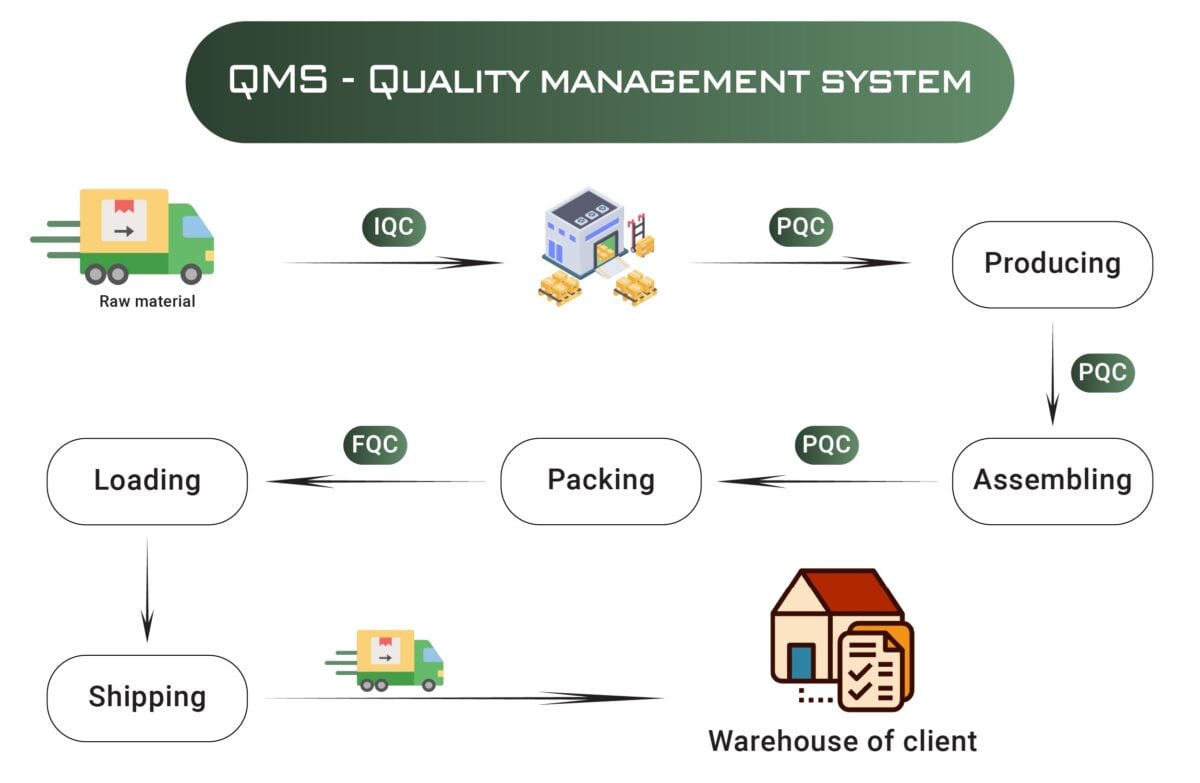
Beyond quality, we help importers reduce landed cost through space‑saving packaging. Lacquer trays are nested with foam separators in cartons that pass ISTA 3A drop testing, and we offer mixed‑SKU container loads so you can combine lacquer trays, lacquer boxes, and lacquer vases within a single shipment.
Frequently Asked Questions
What core materials can be used under lacquer?
Most commonly, air‑dried bamboo plywood (for lightweight trays and boxes), MDF (for perfectly flat surfaces), and coconut shell (for bowls and small decorative items). ViettimeCraft can also apply lacquer over natural rattan for textured pieces.
How do I maintain the finish of lacquer items in a retail or hospitality setting?
Wipe with a damp microfiber cloth; avoid abrasive sponges and ammonia‑based cleaners. Lacquer resists water spotting but should not be submerged. For pieces used as serving trays, a food‑safe top coat is applied as standard.
Is it possible to apply gold or silver leaf under the lacquer?
Yes. Gold, silver, and copper leaf are applied between lacquer layers and sealed under the final clear coat. This technique is widely used for luxury cosmetic boxes, jewelry cases, and limited‑edition home decor.
What is the minimum order quantity for private‑label lacquer trays?
For ODM adaptation of existing shapes, MOQs start at 100-200 pieces per design. For fully custom OEM trays, the MOQ is typically 100 pieces per color.
How long does shipping take from Vietnam to the US East Coast?
Sea freight transit to New York/Newark is 28‑35 days, plus 3‑5 days for customs clearance if documentation is complete. Air freight is 4‑7 days, suitable for time‑sensitive showroom samples or small batches.
Follow us for more handmade craft ideas:
- Facebook: https://www.facebook.com/viettimecraft
- LinkedIn: https://www.linkedin.com/company/viettimecraft/
- Contact ViettimeCraft for a custom lacquer quote