 Home
Home
Vietnam is a country with strong cultural identity. During some periods of the year, it is difficult for Vietnamese manufacturers to deal with foreign companies because of the different schedule for working holidays. Festivals, harvest and impact on the Vietnam handicraft industry. The festivities in Vietnam are based on the lunar calendar. They take an important place in the daily life of Vietnamese people.
A rich agricultural heritage has shaped generations of skilled artisans
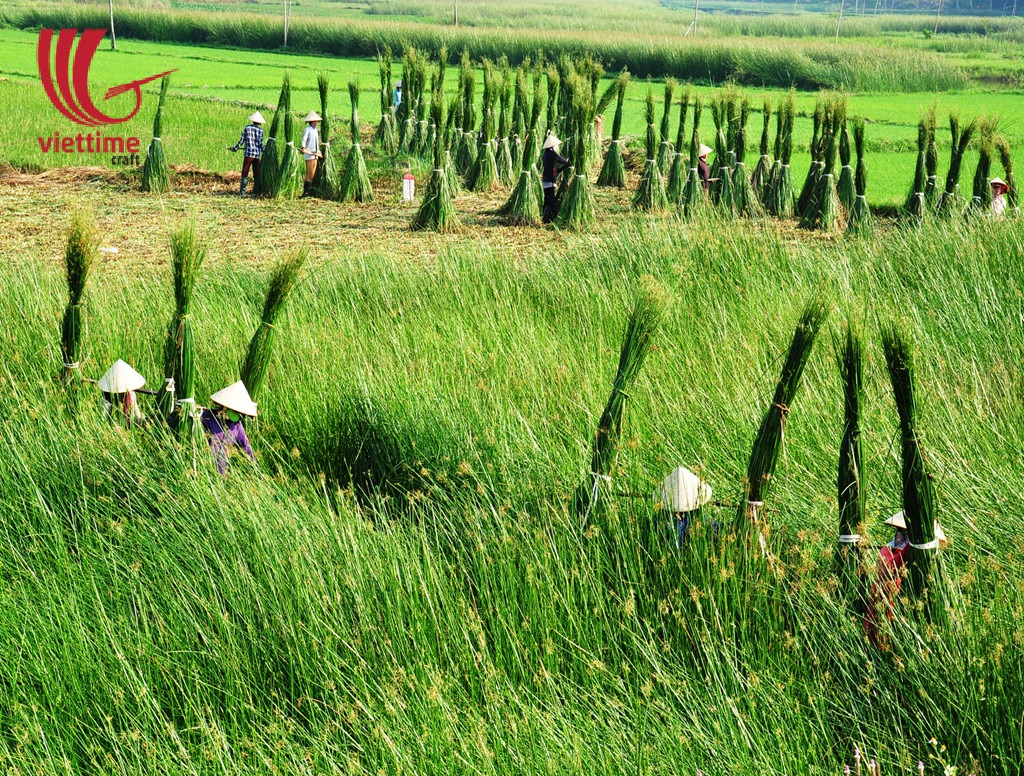
Agriculture remains one of the most important sectors in the Vietnamese economy of and many people are involved in the agricultural production. That is the reason why during the harvest season handcrafted production is lower than the other seasons.
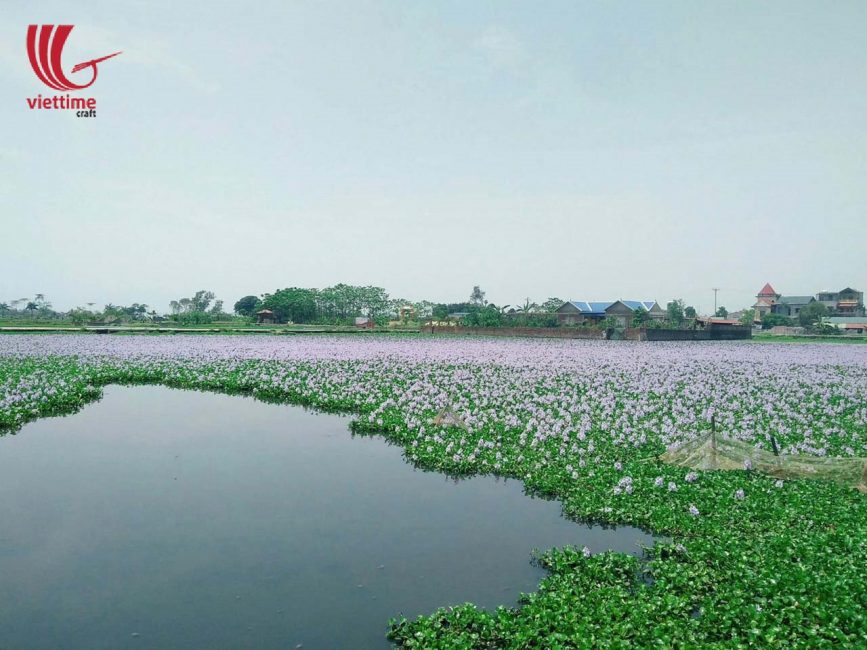
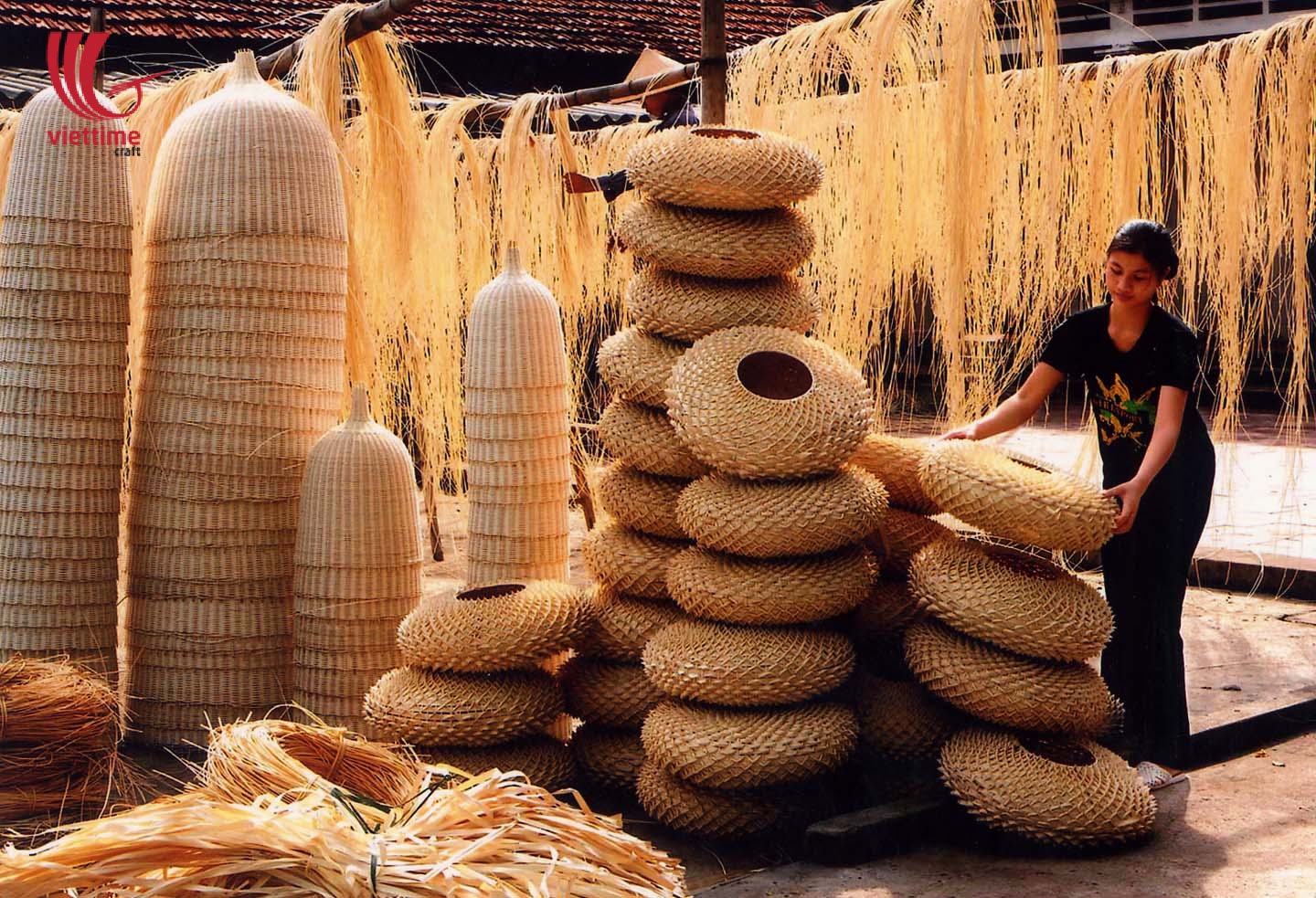
According to statistics, in Vietnam there are around 2,000 traditional handicraft villages. In these villages, craftsmen produce major products but in the real life they are also farmers and they work on the fields especially during the harvest season.
Many handicraft manufacturers work with farmers from the villages but they don’t pay attention to these two major aspects: festivities and harvest seasons. Farmers participate in festivities in the countryside where they live, and they are also involved in producing goods for export. Therefore, the peak season for handicraft production is at the same time as the harvest season and festival periods. In northern Vietnam, there are two main rice seasons: Chiem Xuan and Mua – taking place during the first half of May.
We would like to share some useful information about festival periods and national holidays in Vietnam. According to 2009 statistics, there are 7966 Festivals in Vietnam including: 7039 folk festivals, 332 historical festivals, 544 religious festivals, 10 festivals imported from other countries, the rest are other festivals (0.5%). Provinces with the largest number of festivals are: Hanoi, Bac Ninh, Ha Nam, Hai Duong and Phu Tho.
Festivals, harvest and impact on the Vietnam handicraft industry
Many festivals were born thousands years ago and now remained. Traditional festivals in Vietnam often are presented during spring and autumn seasons.
Among the festivities in Vietnam, which concern almost all Vietnamese families are:
- Lunar New Year – National Holidays
- Doi Son Festival – It takes place in Doi Son, Duy Tien, Ha Nam province traditional festive activity to pray for good weather and bumper crops and for encouraging farming production and farmers to work harder (Februrary)
- Vu Lan Ceremony – love and gratitude to ancestors and parents (August)
- The Hung Temple Festival – Vietnamese festival held annually from the 8th to the 11th day of the third lunar month in honor to the Hùng Vương Kings. The main festival day is a public holiday in Vietnam held on the 10th day of March of the lunar calendar
- Liberation Day/Reunification Day: Fall of Saigon and reunification of Vietnam in 1975 and International Workers’ Day (30/04- 01/05):
- National Day (Vietnam): 02/09 – Vietnam declares its independence, forming the Democratic Republic of Vietnam (North Vietnam)
- Tet Trung Thu – The Mid-Autumn festival (15 days between early September and early October)
- Christmas
- etc.
Mitigating the Impact of Festivals and Harvest Seasons on Vietnam’s Handicraft Industry
The best solution to make a production plan during harvest and festival seasons is:
- Plan ahead: Provide to the customers all the information about harvest and festival seasons. Align production timelines with local festival and harvest calendars. Start production before harvest and festival seasons.
- Early communication: Notify artisans of large orders in advance.
- Flexible workforce: Offer seasonal incentives or part-time options.
- Build inventory: Produce buffer stock before labor shortages.
- Use technology: Apply digital tools for tracking, forecasting, and planning.
In ViettimeCraft, we are concerned about the quality of our products. We work with many foreign customers and we built a good reputation through the years. Doing business with us easy but Delivery delays depend on cultural aspects and harvest of Vietnam and countries around the world. We always try our best to delivery on time.
Conclusion
Vietnam’s rich cultural calendar is not a barrier – but a rhythm to be harmonized with. By anticipating seasonal shifts and investing in adaptive strategies, handicraft businesses can protect their supply chains while honoring the traditions and lives of the artisans who make it all possible.
Visit our shop to explore handcrafted products made by humble and skilled local artisans: https://viettimecraft.com/shop/
Contact us:
+84 24 6266 2630
Facebook: Viettimecraft
 Spun Bamboo
 Weaving Bamboo
 Seagrass
 Rattan
 Water Hyacinth
 Lacquer Products
 Coconut & Wood
 Plastic Products
 Other Products
Information is very useful. I love your products very much !