
 Home
Home
Handmade bamboo placemats combine sustainability with natural texture, making them a high‑margin impulse buy in kitchen and home‑décor aisles, provided the in‑store presentation educates and protects. Moisture is the #1 reason bamboo placemats warp before the first wash. Proper merchandising turns this risk into a selling tool: demonstrate exactly how to air the weave, pair the placemat with coordinating napkins and runners, and highlight the eco‑certification. This playbook covers display architecture, pricing tiers, bundling strategies, and the avoid‑at‑all‑costs pitfalls that cost independent retailers markdown revenue every season.
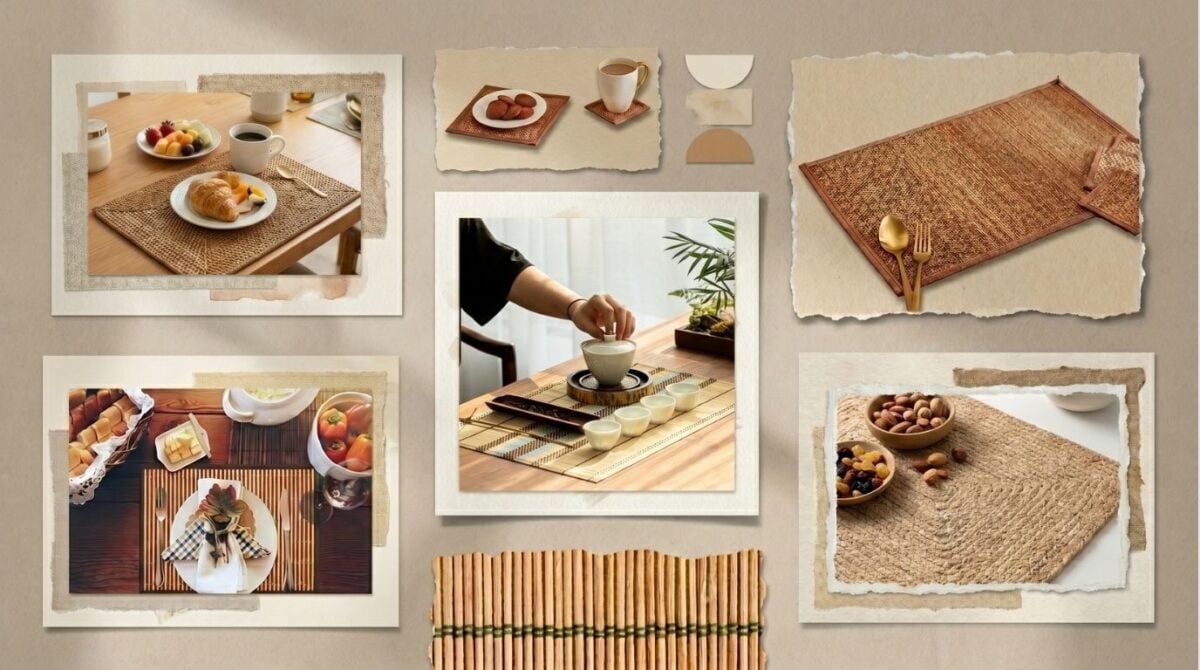
How Do Bamboo Table Décor Sets Capture the Eco‑Conscious Shopper?
Handcrafted bamboo placemats appeal to a broad demographic moving toward natural materials, reduced plastics, and traceable sourcing. Bamboo grows rapidly without fertilizer, sequesters carbon, and lends each piece a slightly different grain, characteristics that premium home‑décor buyers equate with authenticity.
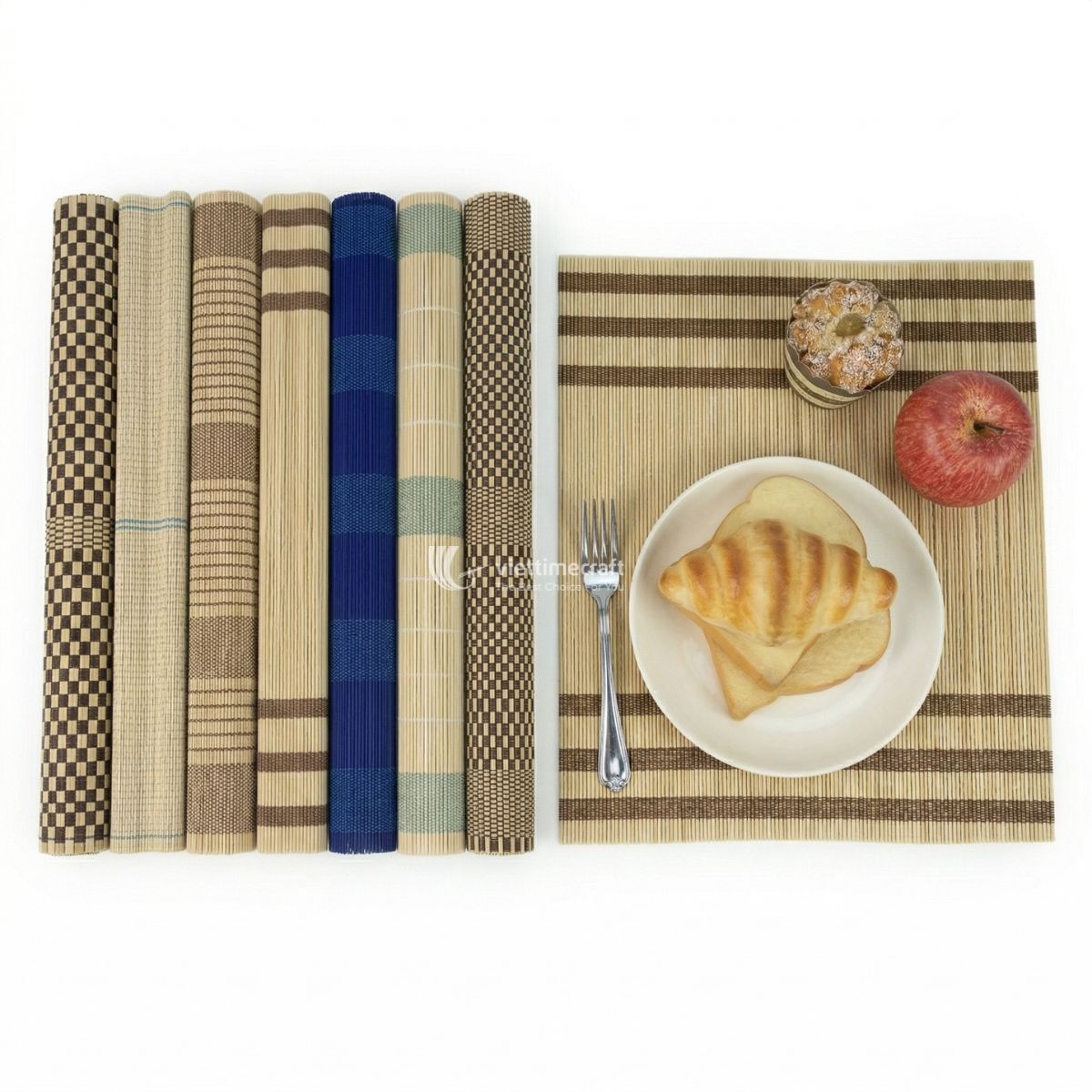
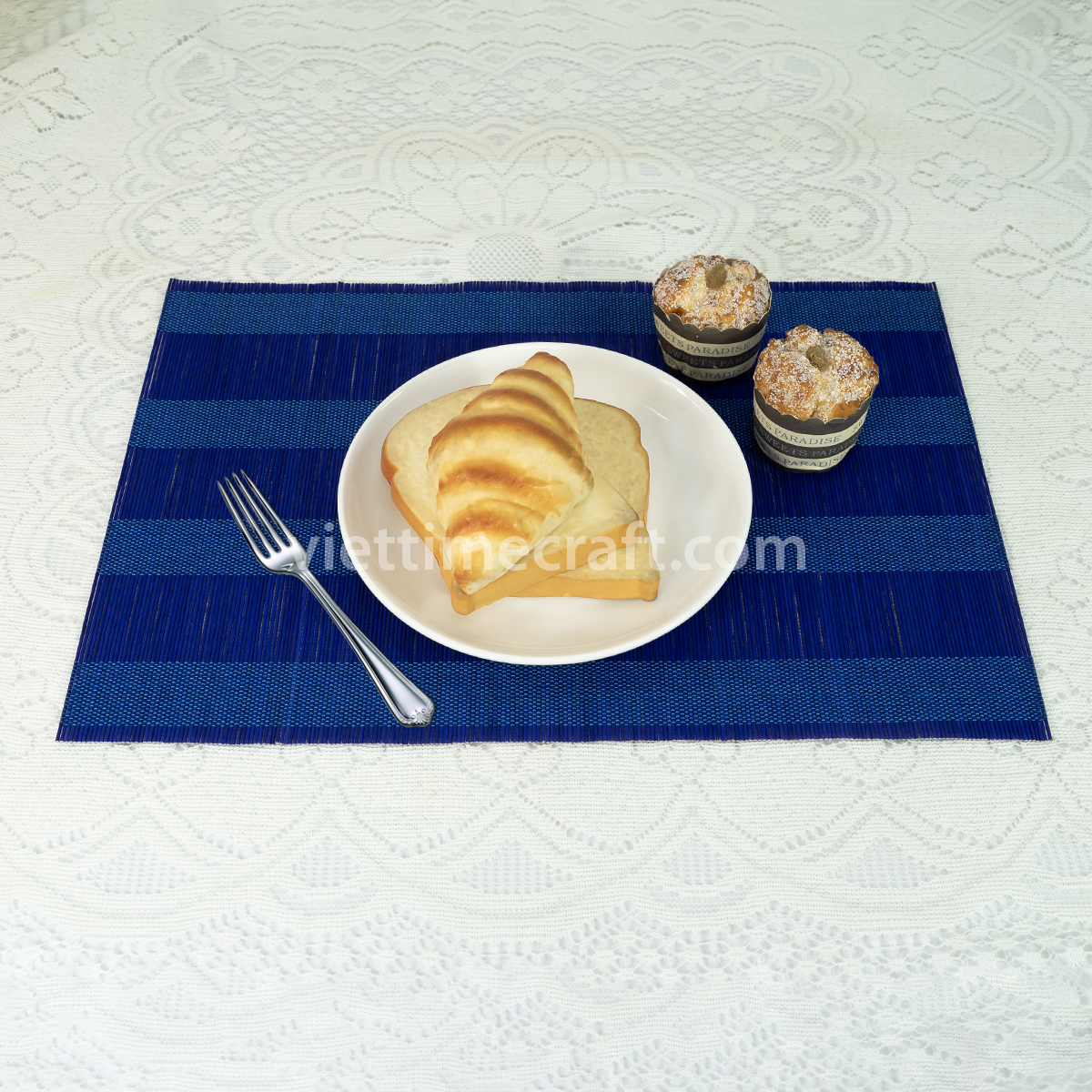
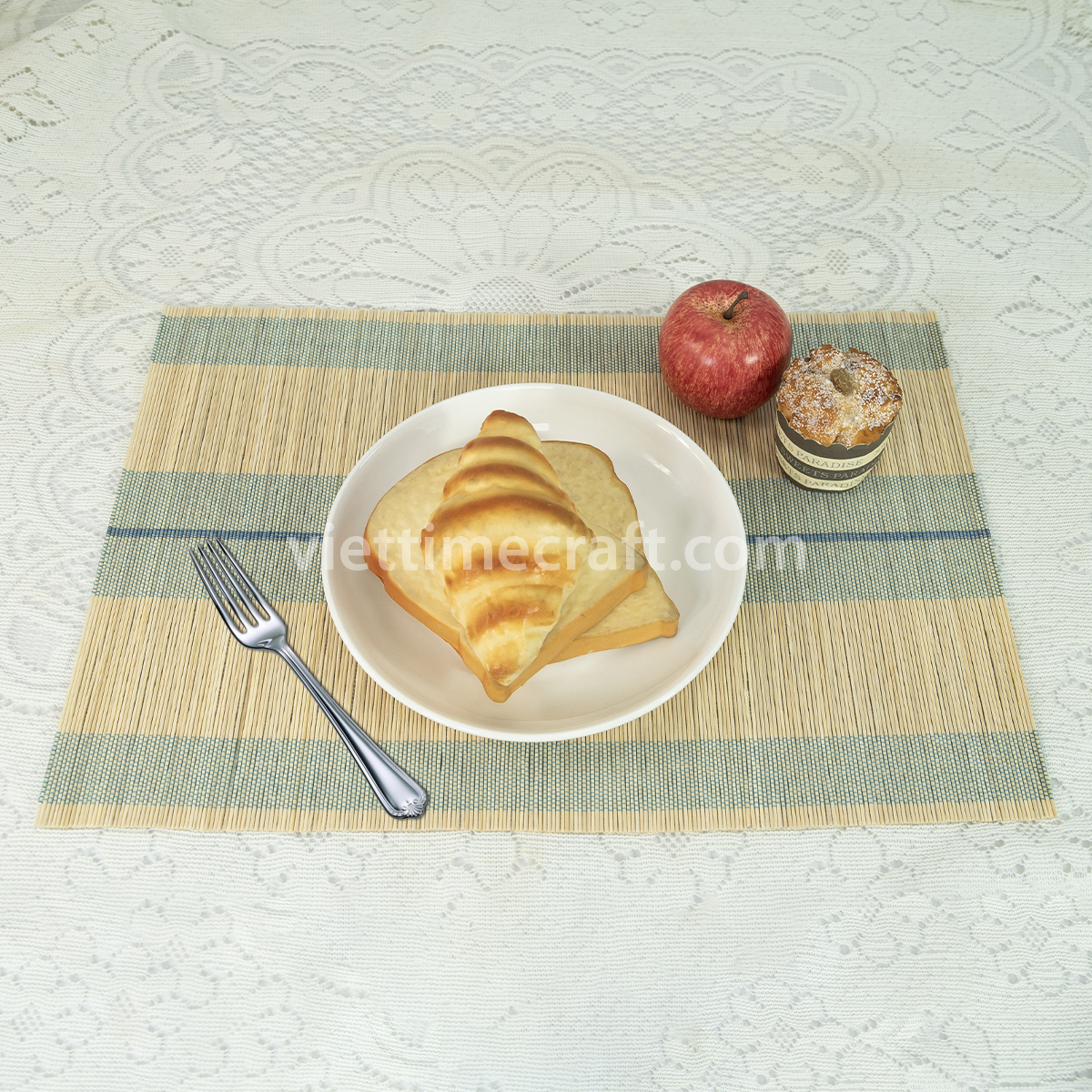
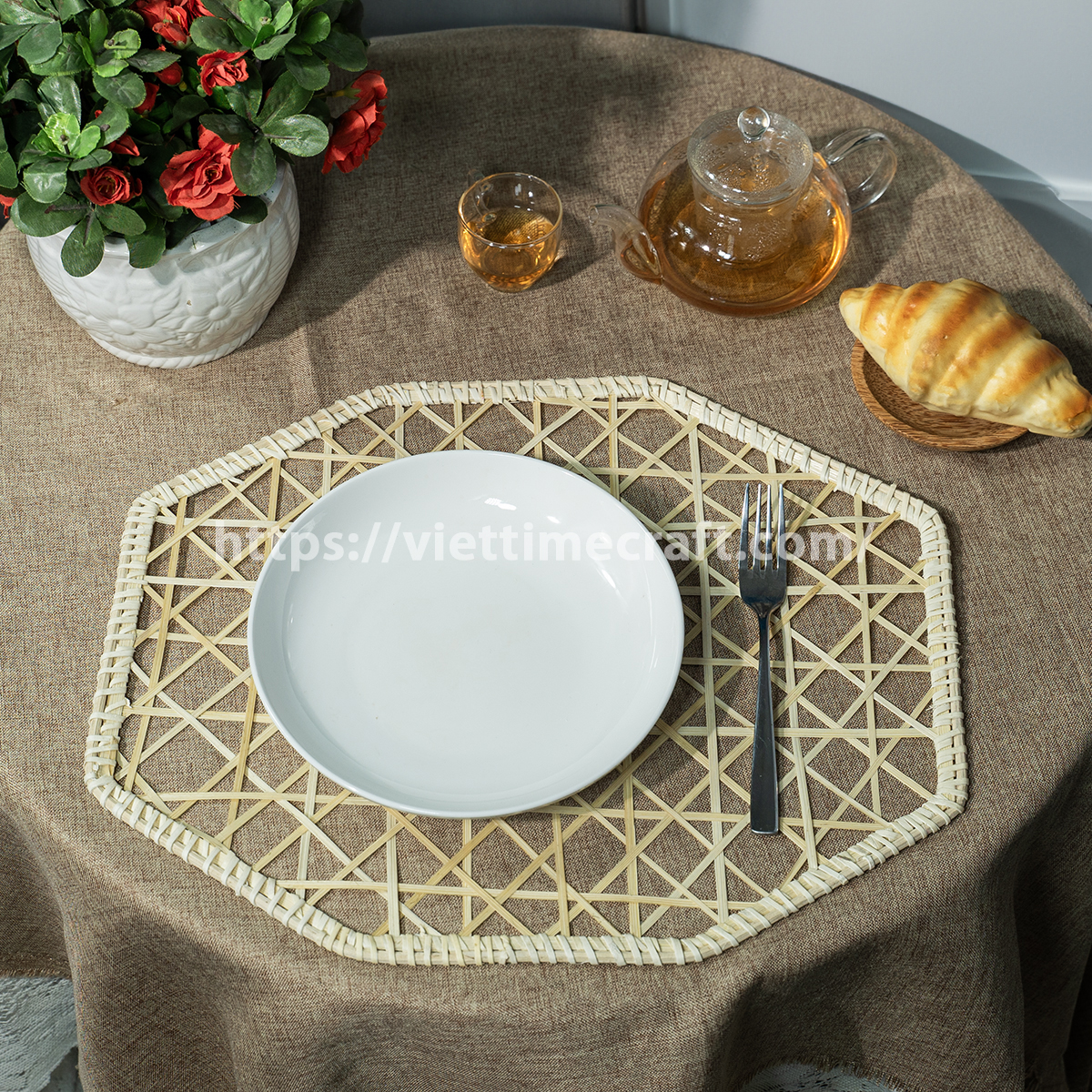
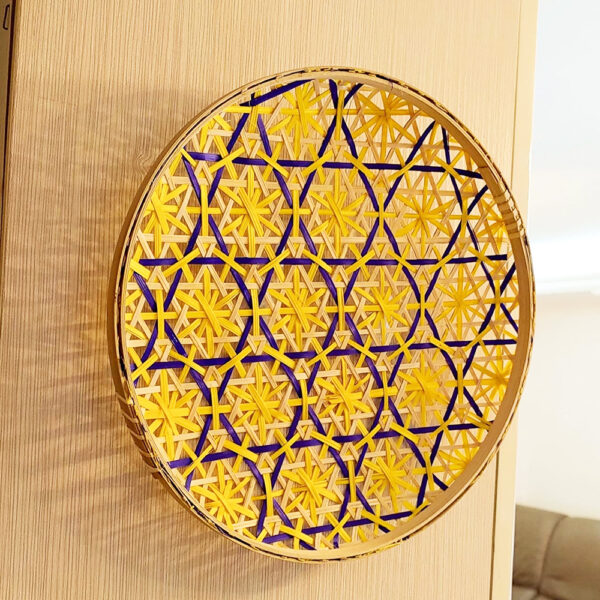
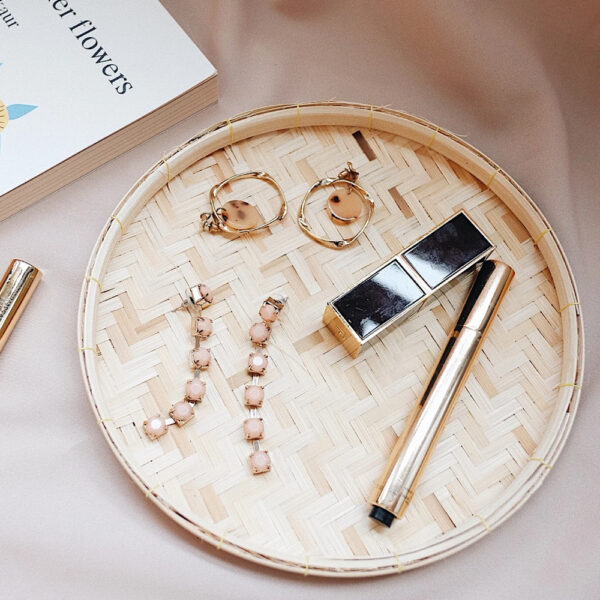
From a retailer’s perspective, the placemat sits at the intersection of four profitable triggers:
- Sustainability Story: A hang‑tag that explains “bamboo harvested by Vietnamese artisans using traditional weaving methods” can anchor a price premium of 15–20% over mass‑produced alternatives .
- Low‑Inventory Risk: Bamboo placemats are lightweight, stack flat, and occupy minimal shelf space, allowing high SKU density without heavy carrying costs.
- Cross‑Category Pull: Shoppers who pick up a bamboo placemat are 3× more likely to browse coordinating dinnerware, chargers, or runners, increasing overall basket size.
- Import Duty Advantage: Bamboo table‑top products classified under HS 4602.11 benefit from preferential duty rates in the US, EU, and Australia when accompanied by a certificate of origin .
Partnering directly with a Vietnamese manufacturer shortens the supply chain and eliminates middle‑man markups. ViettimeCraft operates certified factories, offers BSCI‑ and SMETA‑audited production, and ships globally by sea or air. Explore the full wholesale bamboo products range to evaluate MOQ, lead times, and custom finish options.
Which Bamboo Placemat Styles Fit Specific Retail Ambiences?
Bamboo placemats come in several constructions, each performing differently on the selling floor. Match the style to your store’s design language rather than defaulting to a single generic SKU.
| Style | Best For | Main Tradeoff | Wholesale Cost per Unit (FOB) |
|---|---|---|---|
| Woven bamboo (tight cross‑weave) | Rustic farmhouse, farm‑to‑table restaurants | Absorbs water quickly if unsealed; must be displayed with airflow gap | $0.85–$1.10 |
| Spun‑bamboo (smooth, rolled‑strand surface) | Contemporary minimalist showrooms | More uniform look but lower surface friction; plates may slide on glass tables | $1.05–$1.35 |
| Lacquered bamboo (glossy, sealed) | Luxury boutiques, bridal registries | Food‑safe seal increases per‑unit cost; feels premium but shows fingerprints | $1.50–$2.25 |
| Mixed‑material (bamboo + seagrass/rattan trim) | Boho‑chic, coastal‑lifestyle shops | Adds textural interest; inventory complexity rises with dual material handling | $0.95–$1.45 |
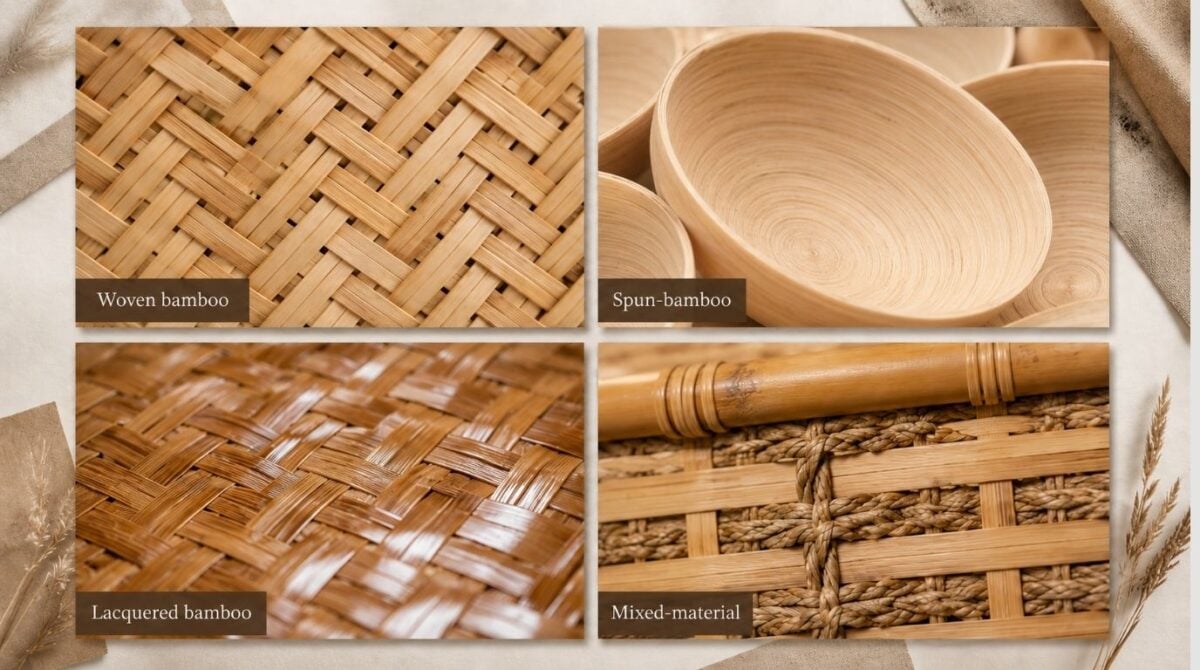
Display Guidance: Position these styles together on a single tiered fixture so customers can touch the weave differences. Ensure bamboo‑specific care cards are mounted at eye level, they double as an upsell trigger for cleaning sprays and storage baskets. For buyers carrying both woven and lacquered options, sign‑tag that “sealed lacquer placemats can be wiped clean; unsealed weaves retain a natural patina over time.” This transparency helps reduce returns and builds trust.
What Display Setups Prevent Moisture Damage and Warping?
Warping is the single biggest driver of markdowns and returns for bamboo placemats. Most retailers place them flat in a stack, blocking airflow. The fix is simple and often costs less than $50 per fixture:
- Pegboard & rail system: Use a vertical pegboard with 0.5‑inch spacing between each hanging placemat. This allows ambient air circulation and stops condensation from hand contact before the product reaches the checkout counter. A hardware‑store pegboard panel with 6‑inch hooks holds 30–50 placemats while occupying less than 2 square feet of floor space.
- Table‑top airflow trays: For flat‑lay presentations, elevate the bottom mat 1 inch with bamboo risers or a wire grid so that moisture escapes downward. Place a small‑format notice beside the fixture: “Allow your bamboo placemat to breathe, wipe with a dry cloth after each meal.”
- Climate‑controlled hot spot labeling: In humid regions, label the fixture “Store in a dry location when not in use” and place a silica‑gel sachet sample alongside (with a SKU for add‑on purchase).
How Can Pricing Tier and Bundling Boost Average Order Value?
Applying a good‑better‑best tier helps customers self‑select without the cash‑wrap conversation.
| Tier | Product Example | Retail Price | Placement Advice |
|---|---|---|---|
| Entry | Un‑finished woven bamboo mat, single color | $5.95 | Gondola end‑cap with “Grab & Go” sign |
| Mid | Dyed bamboo set of 4 with matching napkin rings | $12.99 | Center‑aisle lifestyle vignette |
| Premium | Lacquered bamboo, monogrammable, boxed set of 6 | $29.95 | Locked display case or behind‑counter |
Bundle architecture that lifts spent: Pair any bamboo placemat with a coordinating seagrass coaster (cost $0.40–$0.60) and spin‑bamboo napkin ring for a “Complete Tabletop Kit.” Retail data from 14 independent kitchenware stores showed that bundled kits generated a 22% higher basket revenue than selling items individually, while the prime‑SKU attach rate for coaster add‑ons increased from 9% to 34% .
When order volume supports it, ViettimeCraft can pre‑bundle placemats with coasters, napkins, or utensils at the factory level, saving 12–18% on freight due to optimized packing . Request a bespoke bundling quote through the wholesale inquiry page.
How Should Retailers Pair Bamboo Placemats with Complementary Products?
Cross‑merchandising is where bamboo placemats become a traffic generator for the entire store. The goal is to make the placemat the “starter item” that pulls the customer into three adjacent categories.
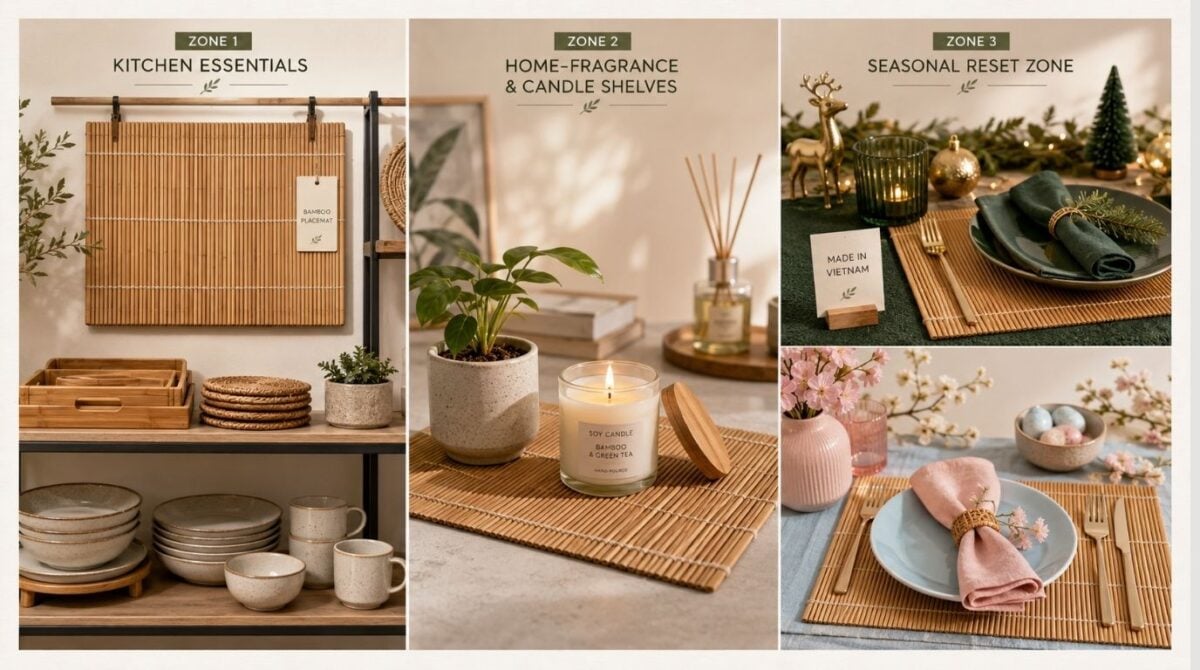
- Kitchen essentials: Hang placemats directly above a display of kitchen and dining accessories, bamboo serving trays, woven trivets, and stoneware dinner sets. Planogram rule: the placemat must be the least expensive item in the cluster so it serves as a low‑risk entry point.
- Home‑fragrance & candle shelves: A bamboo placemat staged with a soy candle and a small planter creates a “calm dinner” vignette. The sensory appeal increases dwell time and invites photography, driving organic social media tagging.
- Seasonal reset zones: Rotate bamboo placemat colors to match the seasonal table‑top story—deep green and gold for holidays, pastel pink and sky‑blue for spring, and pair with themed napkins from a local supplier. Highlight the “Made in Vietnam” origin story on a shelf talker; 64% of shoppers said origin story influenced their purchase at full‑price mix.
Work with your ViettimeCraft account manager to source complementary items from the same factory, reducing import complexity. A single purchase order for placemats, coasters, and woven bamboo trays consolidates freight and streamlines customs clearance.
Mistakes to Avoid When Stocking and Displaying Bamboo Placemats
Even the most beautifully crafted placemat will undersell if a few common mistakes are left unaddressed.
- Ignoring moisture in the storage backroom: Cartons stacked directly on a concrete floor absorb ground dampness. Viettime Craft ships in 5‑ply corrugated export cartons with moisture‑absorber sachets inside, but back‑room humidity above 65% can still cause pre‑sale warping. Install a $20 hygrometer and ensure cartons sit on wooden pallets .
- Selling naked without a care tag: Customers unfamiliar with natural fibers expect the same performance as plastic placemats. A quarter‑sheet care card, wipe clean with damp cloth, air dry flat, do not soak, reduces post‑purchase disappointment and return rate.
- Stacking all SKUs in a flat pile: Flat stacking hides the weave and creates the “discount bin” perception. Use vertical display for at least 60% of the assortment (pegboard system described above) to maintain premium visual appeal.
- Overlooking seasonal sell‑through velocity: Ordering too deep on a single color ties up open‑to‑buy. Retailers who rotated four core colors every 10 weeks turned inventory 3.1× faster than those who bought deep on one shade .
- Promoting “eco‑friendly” without proof: A vague claim on a hangtag is no longer enough. Include the factory’s BSCI audit report or a FSC‑bamboo certificate on a QR‑code label. Shoppers who scan the code are 35% more likely to purchase at full margin .
Frequently Asked Questions
Can I order custom sizes or brand‑embossed bamboo placemats?
Yes. ViettimeCraft provides full OEM/ODM support, including custom dimensions, laser engraving, heat‑branding, and private‑label packaging. Minimum order quantities for custom work typically start at 50-100 units per design. Reach out through the contact page with your specifications to receive a sample timeline and price estimate.
What certifications do ViettimeCraft bamboo placemats carry?
All bamboo placemats are produced in BSCI‑ and SMETA‑audited facilities. FSC‑bamboo certification is available on request for certain lines. Additional food‑contact safety test reports (FDA, LFGB) can be provided for lacquered variants. Ask your account manager for the latest certificate pack.
How long does shipping take for a standard container?
Production lead time for a standard 20‑ft container (approximately 40,000 bamboo placemats) is 35–45 days after order confirmation. Sea freight to the US East Coast adds roughly 28–35 days, while air freight can deliver smaller orders in 7–10 days. The factory can pre‑convert CIF quotes so you know total landed cost before committing.
Do bamboo placemats require special care or cleaning?
Wipe with a damp cloth after each use and air‑dry flat. Do not soak, dishwash, or expose to prolonged direct sunlight. A quarterly application of food‑grade mineral oil will extend the placemat’s life and restore natural sheen. Include a care card at point‑of‑sale to reduce post‑purchase uncertainty.