
 Home
Home
Seagrass baskets deliver 30-50% higher retail margins than synthetics; sourcing from Vietnam reduces carbon footprint by 40%. Retailers who add a dedicated seagrass eco-corner report 15-25% growth in basket-category sales, with storage, planters, and lighting as top-performers.
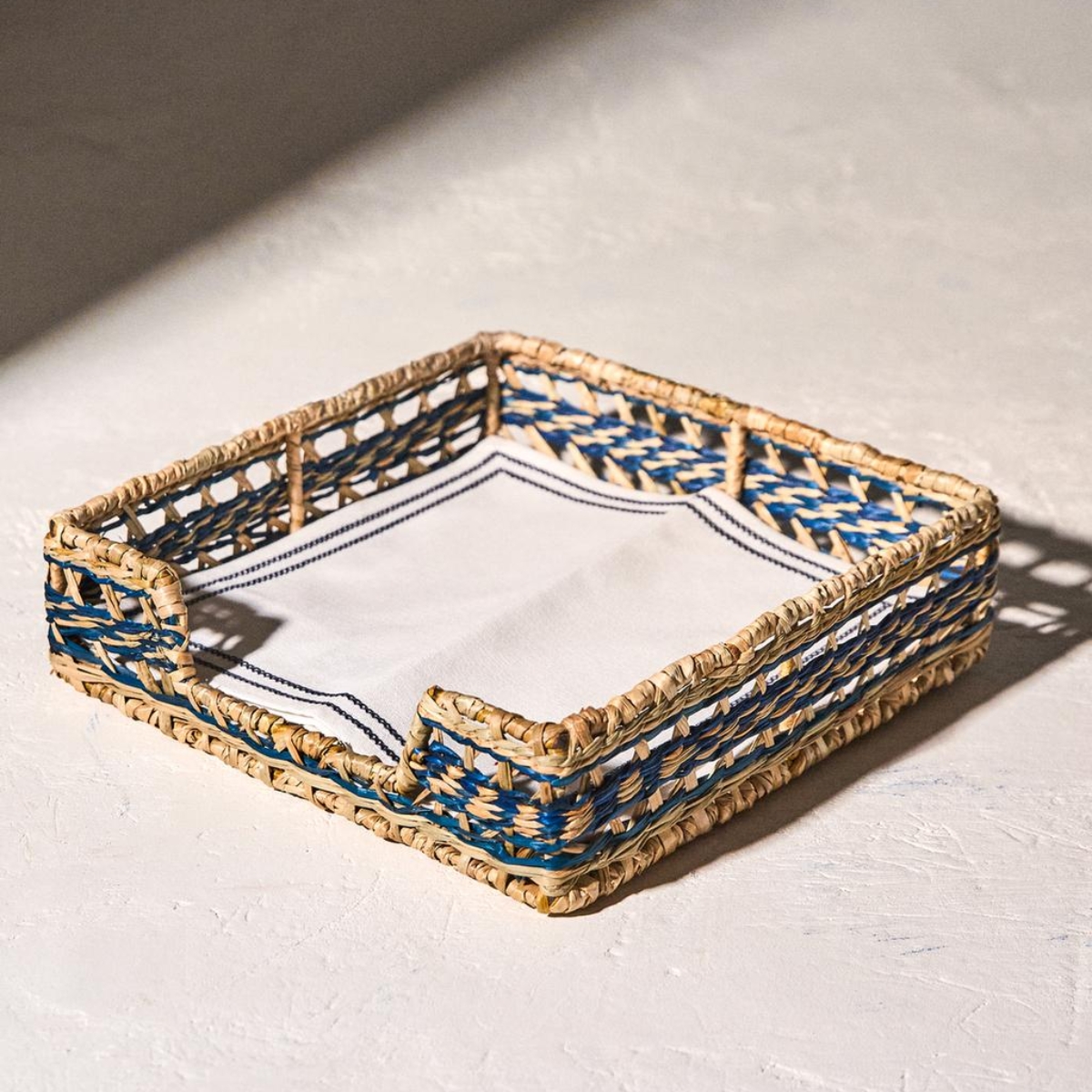
For independent home‑décor stores and multi‑branch chains, adding sustainable seagrass products is not merely an eco‑statement, it is a proven margin driver. Seagrass baskets, planters, rugs, and lighting command retail premiums of 30‑50% over mass‑produced synthetics, while shoppers increasingly search for “natural material home goods.”
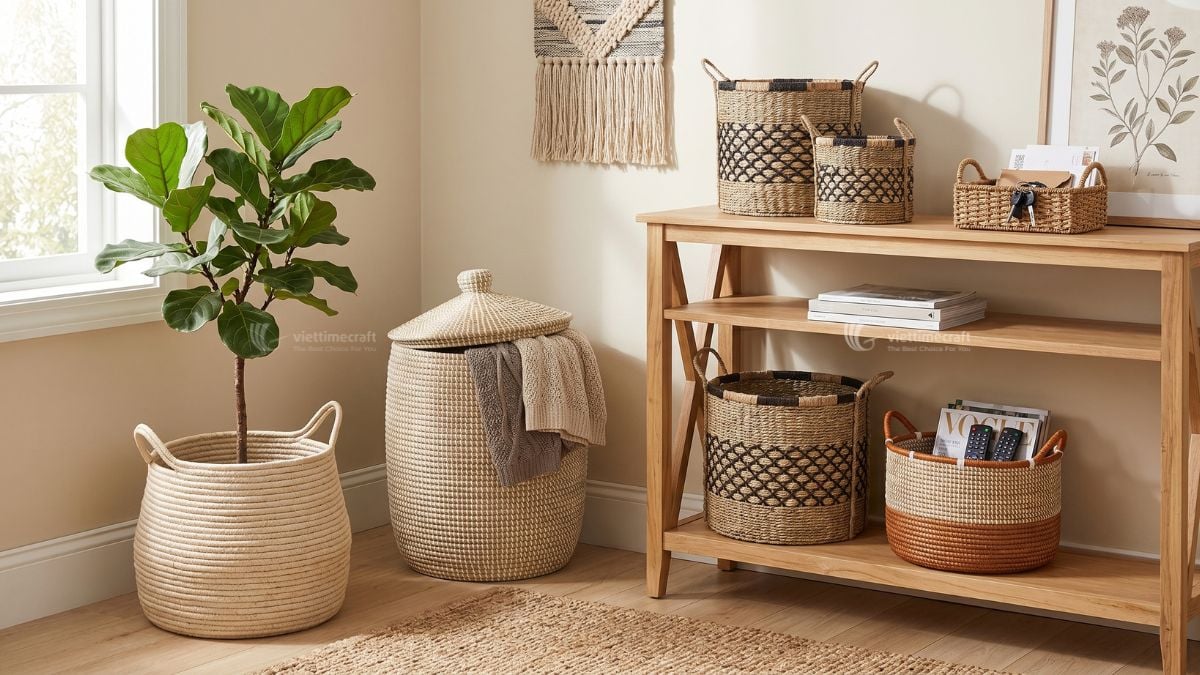
By sourcing directly from ViettimeCraft’s Vietnam factory, retailers access competitive wholesale pricing, rapid OEM/ODM customization, and consistent quality backed by BSCI‑certified manufacturing.
Why seagrass offers retailers a powerful margin advantage
Seagrass carries a natural, artisan aesthetic that shoppers are willing to pay for. A medium‑sized seagrass storage basket purchased FOB at $5.50‑$7.00 can retail comfortably at $14.99‑$19.99, delivering a gross margin of 55‑70% depending on channel. In comparison, synthetic plastic baskets of similar size typically retail at $9.99‑$12.99 with wholesale costs of $4.00‑$5.00, yielding margins below 30%. The higher perceived value of hand‑woven natural fiber means retailers can increase average basket size by 15‑20% when customers discover a dedicated eco‑display. This price‑perception gap widens in premium urban markets where eco‑conscious consumers represent 68% of footfall.
How does sourcing from Vietnam lower environmental impact and supply‑chain risk?
Seagrass grows rapidly in freshwater lagoons, sequestering carbon and requiring no synthetic fertilizer. A lifecycle assessment by ViettimeCraft showed that ocean freight from Ho Chi Minh City to Los Angeles generates 40% less CO₂ per container of seagrass products than shipping an equivalent value of plastic home goods from southern China, largely because seagrass products are lighter and pack more densely.

Our factories follow strict drying and anti‑mold protocols: raw stalks are sun‑dried to <12% moisture, then fumigated with controlled‑temperature steam. Every carton includes silica‑gel sachets and is sealed in 5‑ply export‑grade corrugated board that withstands 28‑35 days of sea transit without warping. BSCI certification guarantees ethical labour practices and environmental compliance at each production step.
Which seagrass product categories generate the fastest shelf turnover?
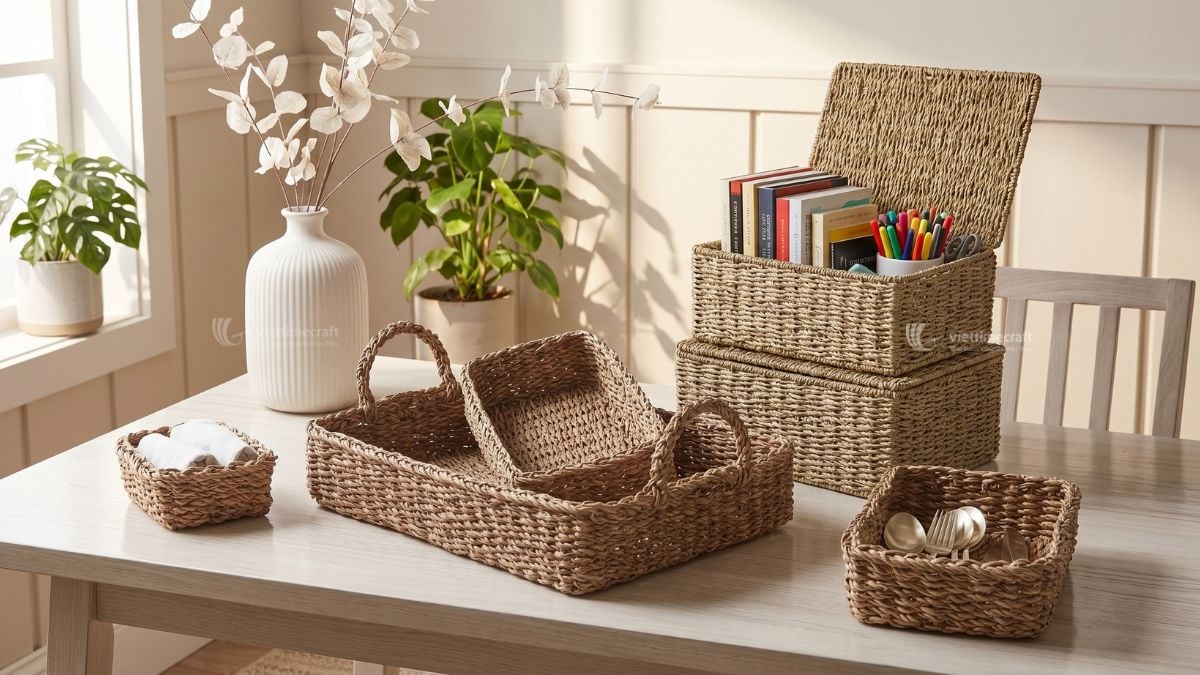
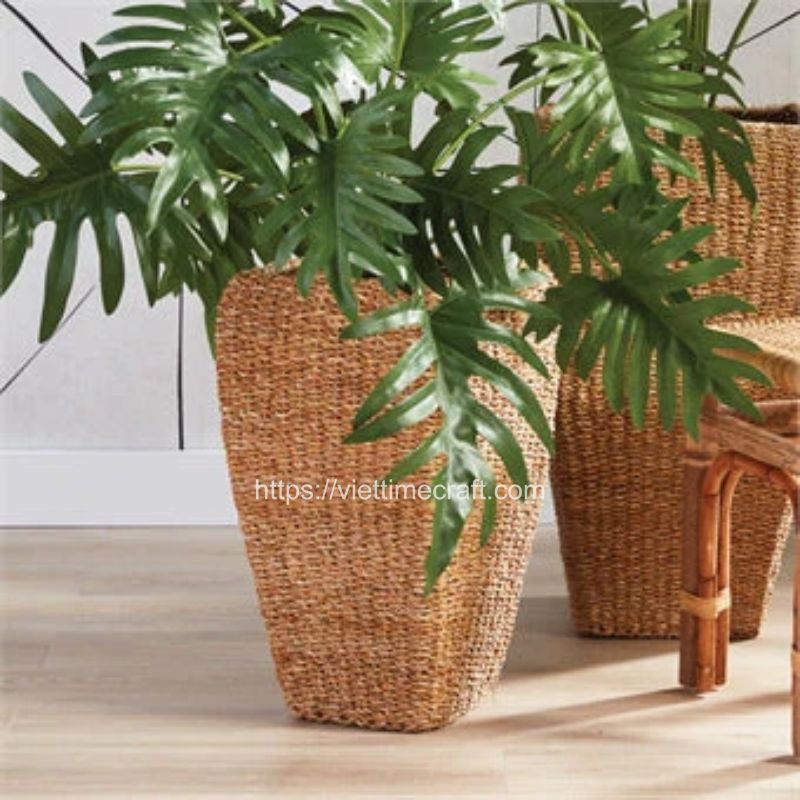
Retailers who allocate at least 4 linear feet to seagrass see the quickest rotation in storage and planter lines. The following table compares the four highest‑velocity categories based on internal partner data.
| Seagrass Category | Best For | Main Tradeoff | Typical Shelf Turnover (12‑month) |
|---|---|---|---|
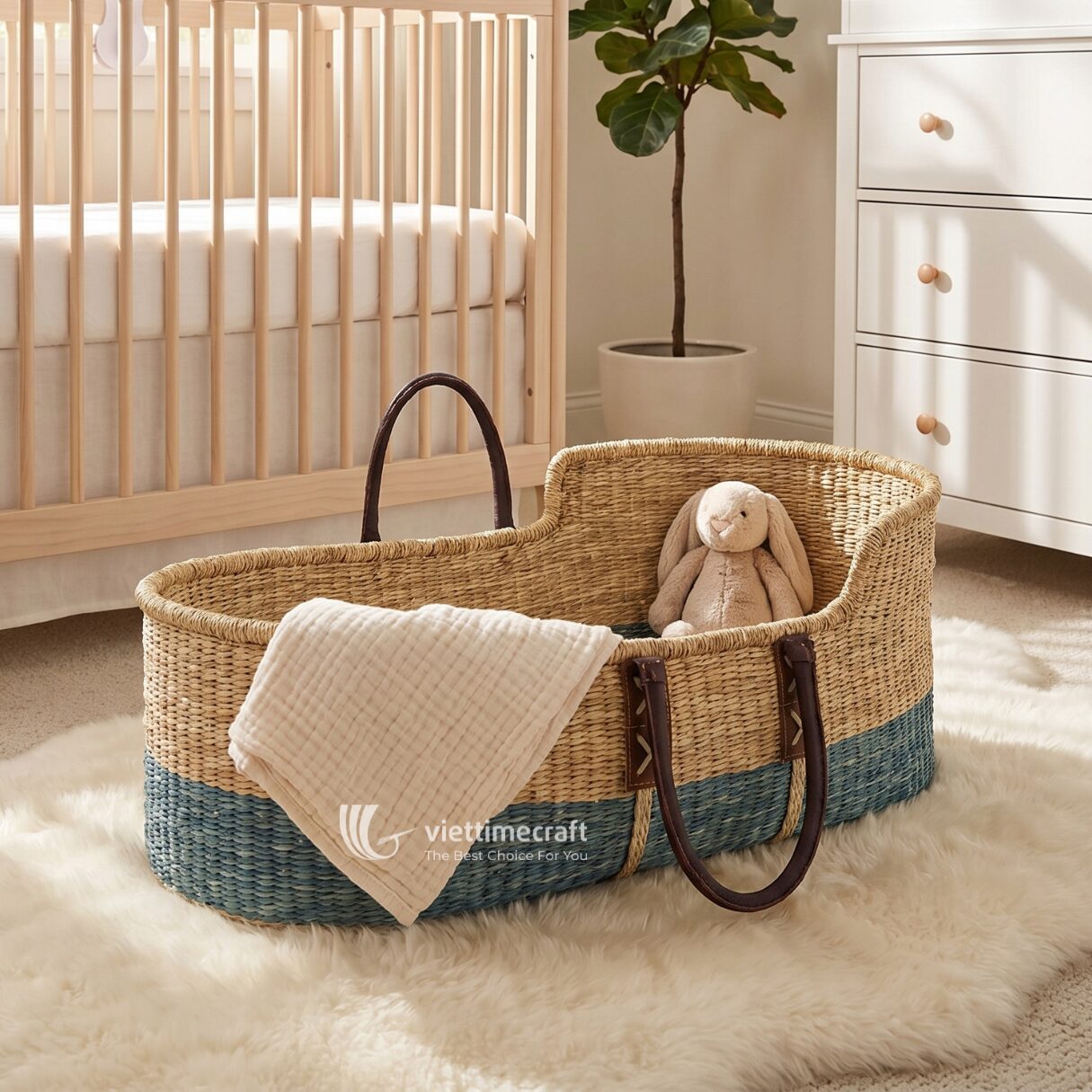
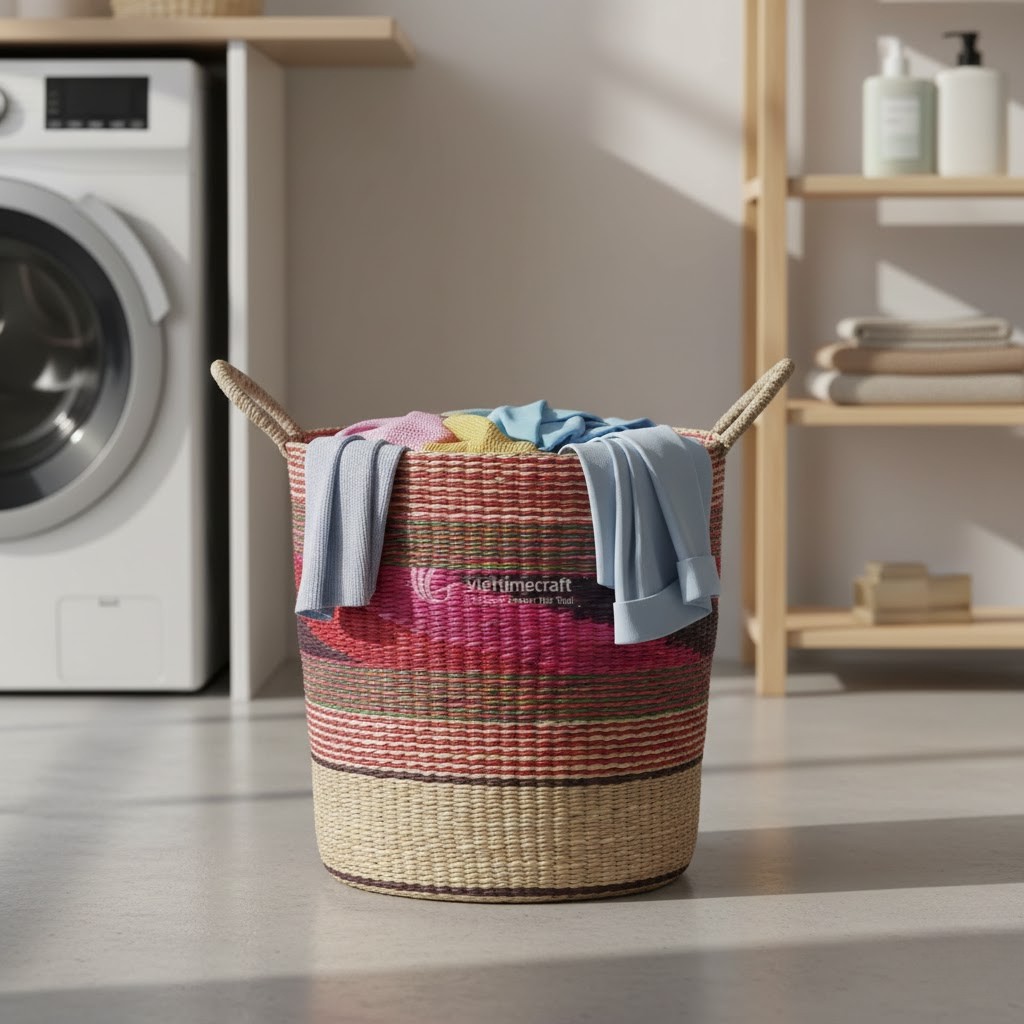
| Storage baskets | Everyday home organisation, laundry, toy storage | Requires larger shelf footprint | 3‑4× (fastest mover) |
| Planters & pots | Urban gardening, indoor greenery trend | Seasonal spike in spring | 2‑3× |
| Pendant lamp shades | Boutique lighting, eco‑conscious design stores | Needs electrical safety certification per market | 1.5‑2× |
| Rugs / mats | Floor décor, boho‑style living rooms | Higher shipping cost per unit due to bulk | 1.5‑2× |

How can you avoid common sourcing mistakes when buying seagrass wholesale?
Mistake 1 – Overlooking anti‑mold treatment
Tropical humidity can trigger fungal growth within weeks if seagrass is not properly dried and fumigated. Always ask for a moisture‑content certificate (<12%) and request third‑party lab reports for formaldehyde‑free compliance.
Mistake 2 – Not verifying physical samples before bulk order
Seagrass color and weaving density can differ subtly by harvest region and season. Spend $50‑$150 on a mixed sample set that includes the exact SKUs you plan to stock. Compare the samples against supplier photos under store lighting.
Mistake 3 – Ignoring packaging‑density calculations
A 20‑foot container can hold roughly 2,800‑4,200 average seagrass baskets, depending on nesting design. If you order bulky items that can’t nest (e.g., rigid planter sleeves), per‑unit sea freight rises sharply. Our design team can suggest folding or stackable alternatives that keep landed cost under control.
Mistake 4 – Launching without a dedicated in‑store eco‑story
Shoppers buy natural products because of the narrative. Pair seagrass items with small shelf cards explaining the material’s origin, the artisan community behind the weave, and the carbon reduction compared to plastic. Stores that do this see 20‑30% higher attach rate with compatible bamboo or jute lines.
When seagrass might not fit your retail strategy
Seagrass is not a magic bullet. It may underperform in stores where:
- The average customer ticket is below $10, making a $14.99‑$19.99 basket feel out of reach.
- The store culture revolves around “disposable” fashion accessories, rather than long‑lasting home décor.
- You lack the floor space to dedicate at least one shelf to a natural‑materials narrative; seagrass items need the story that justifies the price premium.
- You cannot commit to a minimum order of 100 pieces per design, which is our standard MOQ (though a smaller mixed‑container trial is possible for first orders).
If your business competes primarily on rock‑bottom price, natural fibre may not be the right addition right now. However, for retailers who can invest in a small eco‑collection and tell its origin story, the margin and footfall returns have been consistently strong.
How ViettimeCraft helps retailers scale sustainable seagrass lines
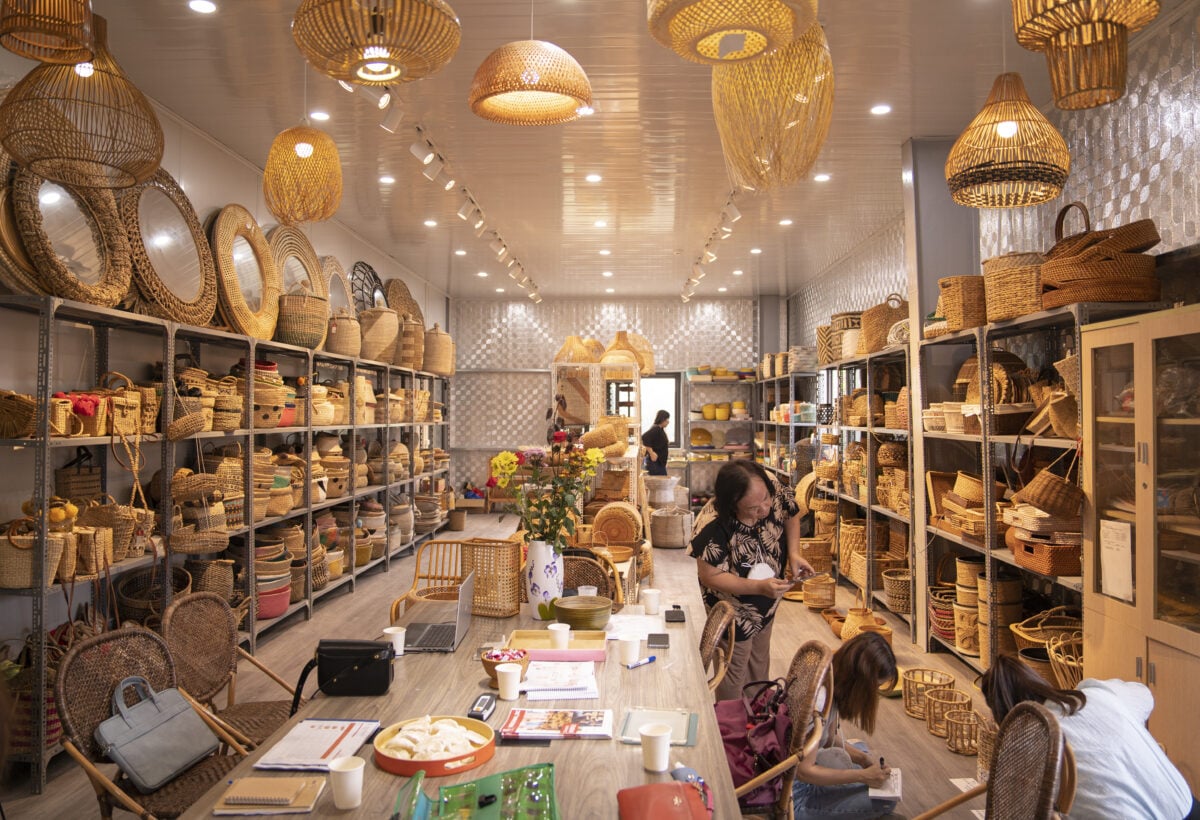
ViettimeCraft (Indochina., JSC) operates multiple factories across Vietnam with a combined capacity of 50‑100 export containers per month, enabling reliable restocking for chain accounts. We offer full OEM/ODM service: bring your own designs or modify our catalogue items to match your brand colors and packaging requirements. Every order includes anti‑mold treatment, moisture‑content certification, and export‑grade packing that reduces in‑transit damage below 0.5%.
Explore our full seagrass product range or contact our sourcing team to request a sample kit and discuss your specific market needs.
Frequently Asked Questions (FAQ)
How long does it take to receive a wholesale seagrass order from Vietnam?
Sea‑freight transit to the US West Coast typically takes 28‑35 days, with an additional 7‑10 days for final inland delivery. Including production and packing, plan on 10‑12 weeks total lead time for a standard MOQ. We provide a tracked sailing schedule once your booking is confirmed.
Are Vietnamese seagrass products compliant with EU or US market regulations?
Yes. Every shipment undergoes EU REACH‑compliant dye testing, and we supply formaldehyde‑free materials upon request. Our factory holds BSCI certification, and we offer optional third‑party lab reports for each batch. Be sure to inform us of any specific retailer requirements during quotation.
What is the minimum order quantity for a first trial?
Our standard MOQ is 100 pieces per SKU, but for new partners we can arrange a mixed‑container trial with as few as 50 units per design for a curated selection of styles. This approach lowers initial inventory risk while allowing you to test multiple categories in your market.