
 Home
Home
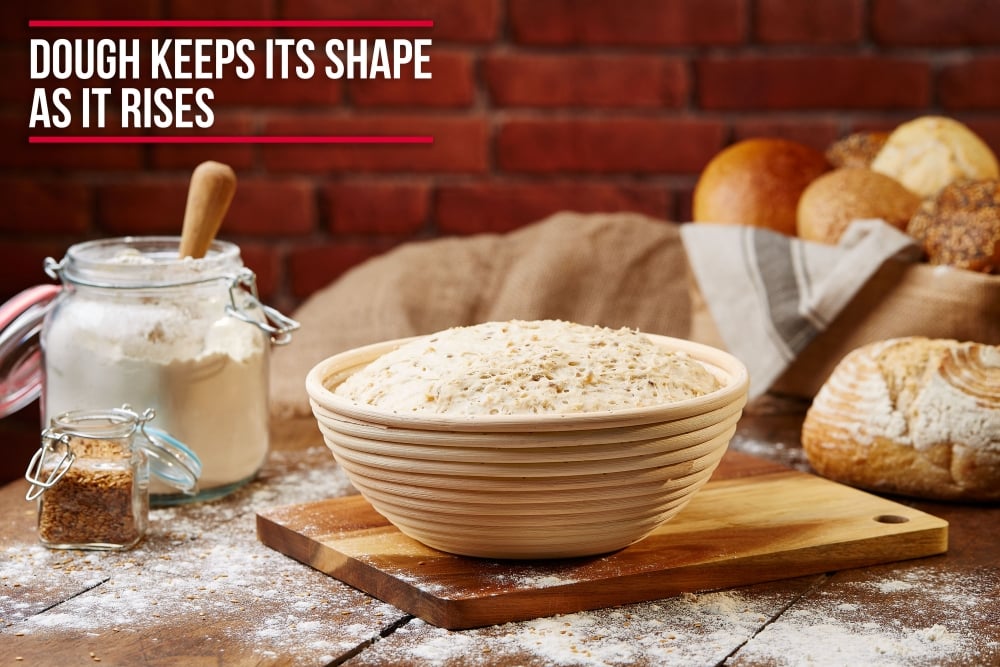
Commonly known as a banneton, brotform, or brotformen, these natural bread-proofing baskets are used to support dough during its final rise. Proper care for bannetons is essential if you want your bread to rise beautifully every time. Whether you’re a seasoned baker or just getting started with sourdough, learning how to care for bannetons will help extend their lifespan, prevent mold, and ensure your dough maintains its perfect shape. In this guide, we’ll walk you through simple steps to keep your bannetons clean, dry, and ready for every bake.
What is Banneton?
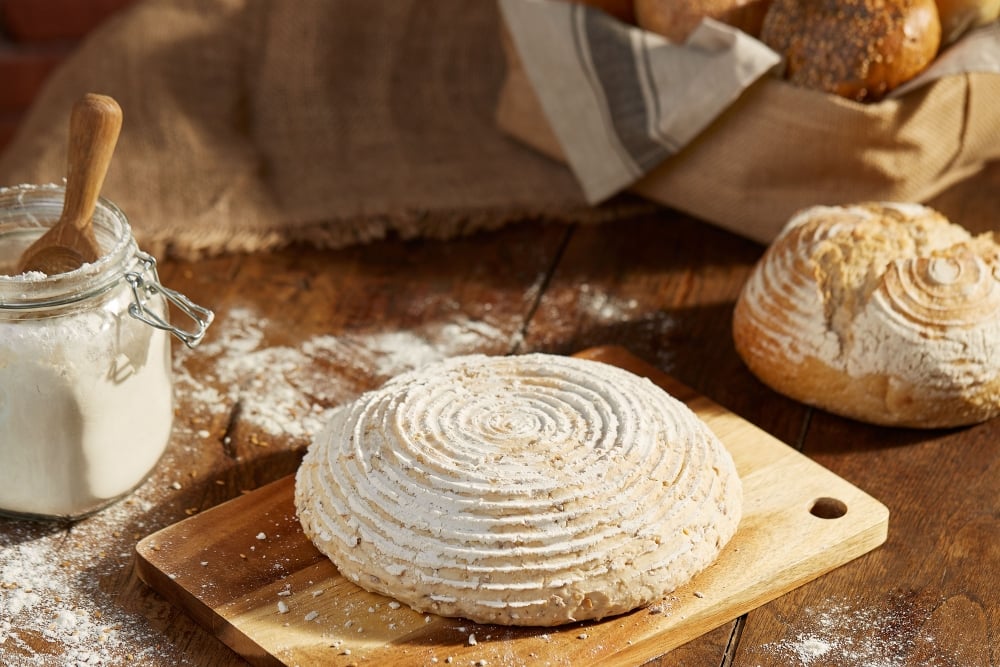
The coiled pattern and light flour dusting help shape the dough beautifully while leaving a signature spiral imprint—perfect for creating rustic, artisan-style loaves. Made from hand-woven natural willow, each basket brings both function and tradition to your bread-baking process.
Use & Care for Banneton Baskets
Initial Treatment
- Spray the inside of the baskets lightly with Food
- Release Spray with flour, or a similar grease dust.
To Use
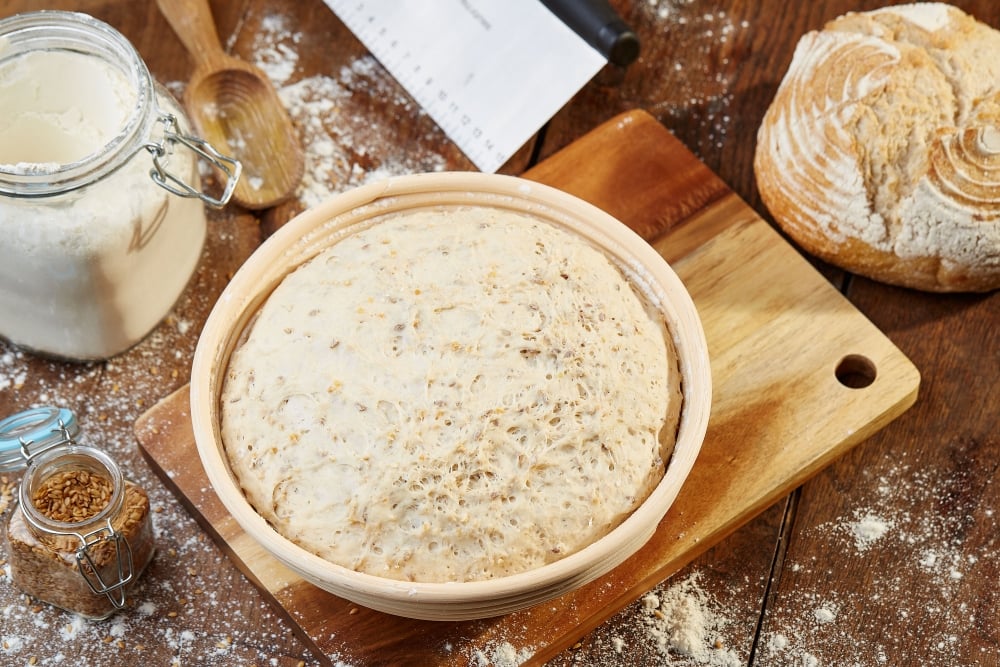
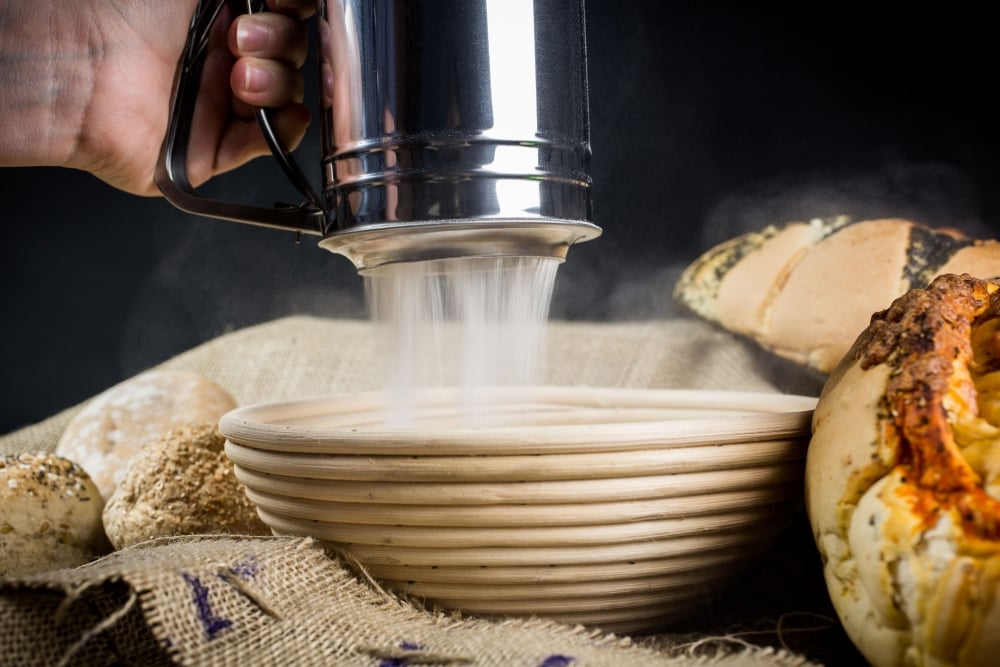
- Flour the Banneton and place the kneaded dough in the basket to rise.
- Once it has sufficiently risen, unmold the loaf and transfer it onto a baking sheet for the oven.
Care for Bannetons: Cleaning
- Shake and brush out excess flour after every use.
- Let baskets air-dry thoroughly before stacking or storing them.
- A few times each year, when used on a regular basis, place in the oven at 250°F together with a bowl of water, for about 20 minutes.
- Let baskets air-dry thoroughly before stacking or storing them.
- Wash basket with a brush and hot water every six months or so.
- After such washings, let it air-dry before storing, and spray with Food Release Spray with flour before using.
Tips Use and Care for Bannetons
- You can knead the dough by hand, or using a bread machine or mixer. Weigh flour 8-12 oz to yield about a Lb; 16-20 oz for 2 Lbs; 28-32 for 3-4 Lb.
- (Remember that the weather, quality of the yeast, type of flour and percentage of whole grains used greatly affect the size and rise).
- For better texture and crust, many bakers let the dough rise in a greased bowl first, and then transfer it into the Banneton for the second and final rise.
- As you experiment with your recipe, remember that the day’s weather, quality of the yeast, type of flour, and quantity of whole grains used can greatly influence the final rise of your bread.
- Do not use the Banneton basket for baking the loaf. Use it only for the rising.
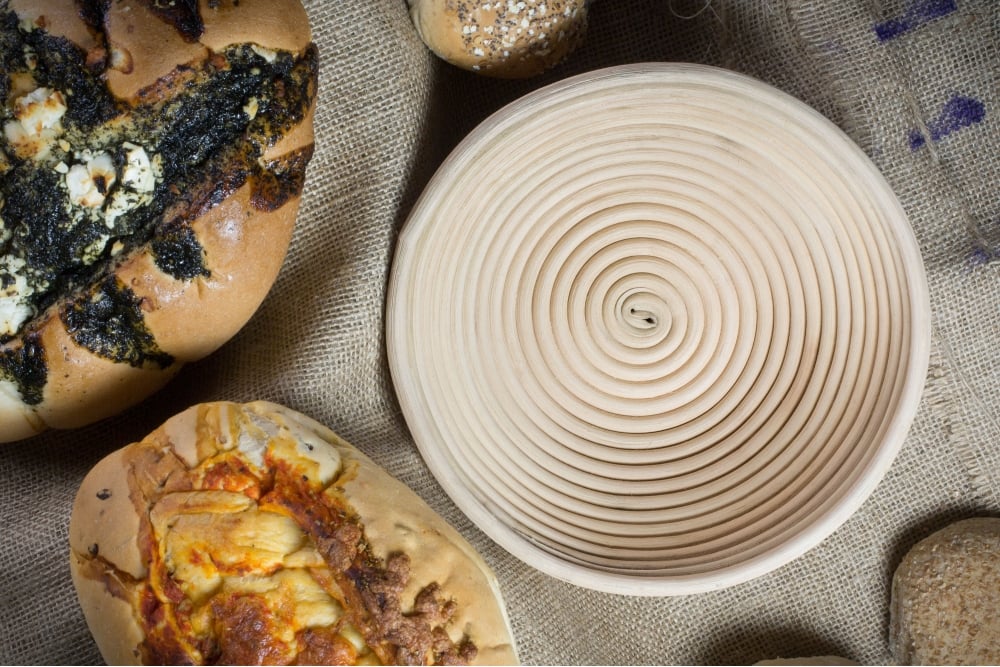
Invest a little time in care, and your bannetons will reward you with beautiful, bakery-style loaves for years to come.
Want to start or upgrade your collection? Browse our handwoven, natural bannetons designed for artisan baking.
Purchase our rattan banneton proofing basket here.
Contact us:
+84 24 6266 2630
Facebook: Viettimecraft
 Spun Bamboo
 Weaving Bamboo
 Seagrass
 Rattan
 Water Hyacinth
 Lacquer Products
 Coconut & Wood
 Plastic Products
 Other Products
Many strategies include minimum prerequisites, consequently make sure to take a look at every choice details
before generally making the exchange.
Thank you for your support!
If you have any questions, Pls contact us via our email account: [email protected] or [email protected]
I love this banneton basket. Thanks for the article. But i am not sure if you give us a particular flour to use for dusting the basket before use