
 Home
Home
Mother of pearl home accessories are handcrafted in Vietnam through 15–20 manual inlay stages per piece. Rigorous humidity management and custom design keep these luxury items ready for high‑end retail buyers.
This guide decodes the Vietnamese craft behind mother of pearl home accessories: the hands‑on inlay process, quality benchmarks that separate premium pieces from cheap imitations, and what importers must know about MOQs, moisture handling, and OEM/ODM partnerships. ViettimeCraft, a direct manufacturer, shares operational data so you can source with confidence.
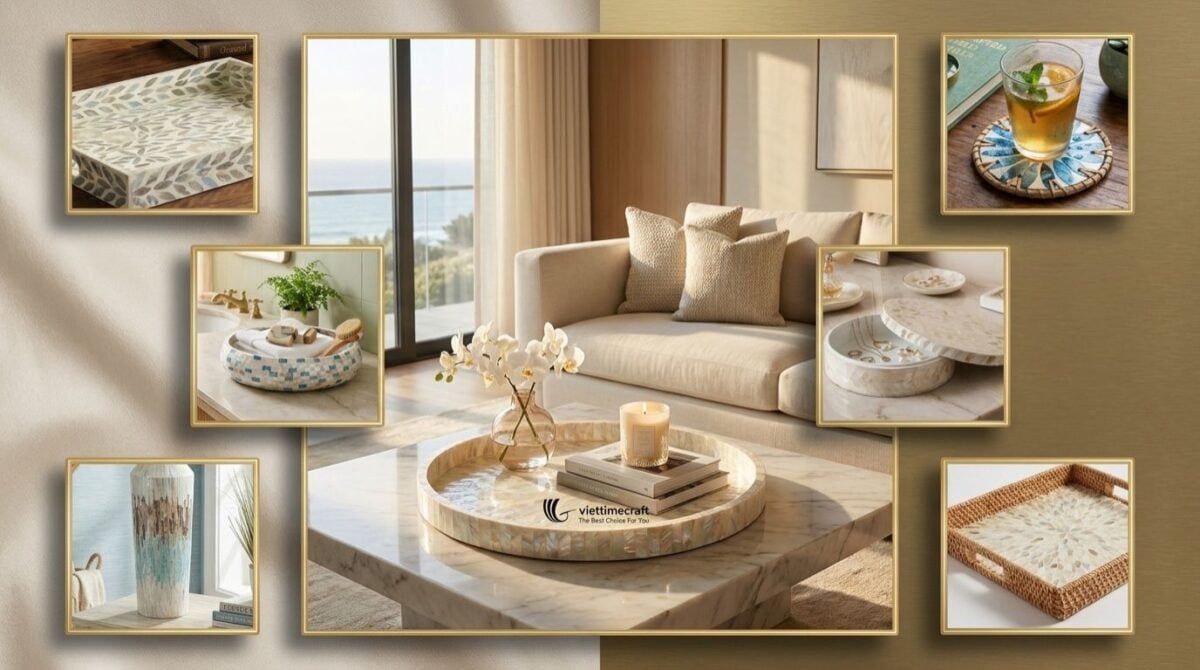
How Vietnamese Artisans Build Mother of Pearl Home Accessories
Mother of pearl inlay, fuses thin layers of mollusk shell with a wooden or lacquer substrate. At ViettimeCraft, the work begins with selecting raw shells from freshwater and saltwater mollusks; thickness ranges 0.5–0.8 mm, significantly thicker than tourist‑grade trinkets .
After cleaning and cutting, artisans trace intricate patterns onto a base piece (often acacia wood or MDF sealed with layers of natural lacquer). The shell is hand‑sawed into filigree shapes, then glued onto the base with traditional pine‑resin adhesive. Once set, the surface receives up to seven coats of UV‑resistant lacquer, with sanding between each coat, building a glass‑like depth that magnifies the shell’s iridescence.
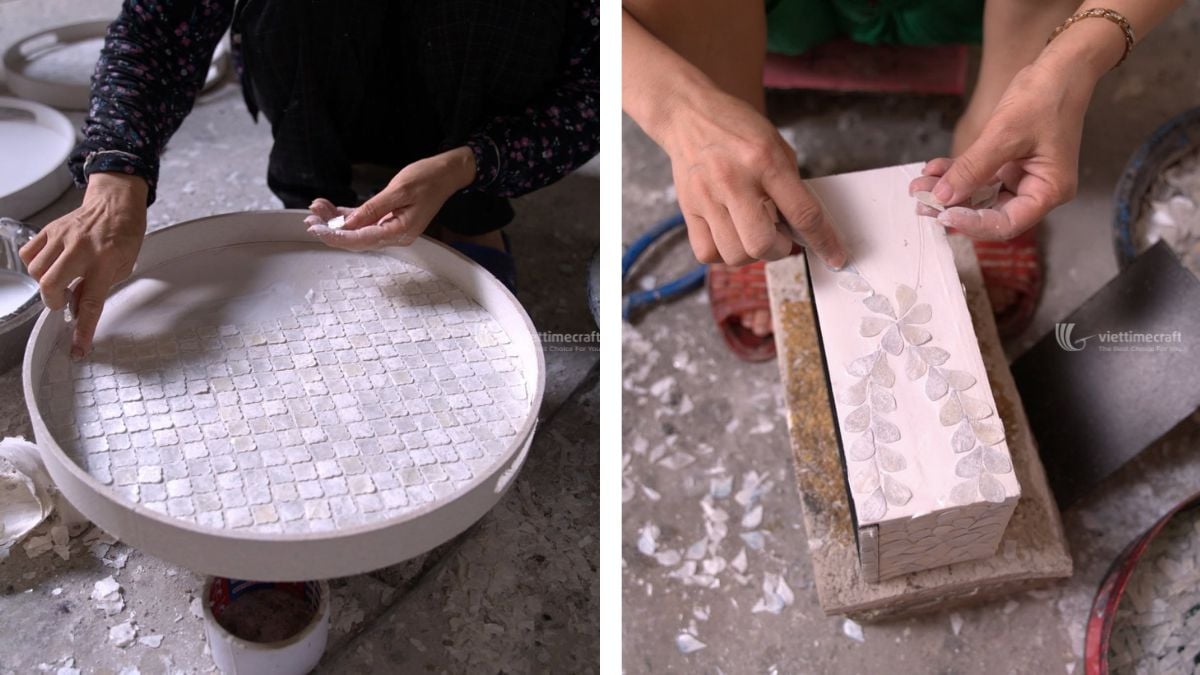
The final polish uses fine carbon powder and sheep‑wool buffs, a technique passed down through generations of craft villages. The entire cycle from raw shell to finished piece involves 15–20 distinct hand operations . This labor intensity explains why genuine mother of pearl commands a premium price compared to printed or film‑laminate alternatives.
Explore finished examples in our lacquerware and mother of pearl catalogue.
What Quality Differences Separate Premium Mother of Pearl from Mass‑Produced Alternatives?
B2B buyers must distinguish between artisan inlay and quick‑fix substitutes that flood lower‑tier wholesale markets.
| Attribute | Artisan Mother of Pearl | Mass‑Produced Substitute |
|---|---|---|
| Shell Origin | Natural freshwater/saltwater oyster | Printed film, acrylic overlay, or crushed shell‑flake composite |
| Inlay Process | Hand‑cut, hand‑set, multi‑layer lacquer | Machine‑pressed pattern with single clear coat |
| Luster Depth | Iridescence shifts with light angle; visible organic grain | Flat, uniform shine; no grain variation |
| Durability | 0.5–0.8 mm shell withstands daily use; resists superficial scratching | Thin coating prone to peeling or bubbling within 6 months |
| Minimum Order Quantity (Viettime Craft) | 100 pieces | 500–1000 pieces typical for low‑value composites |
| Unit Price (ex‑factory, tray) | Typically $8–$25 FOB depending on design complexity | $2–$6 FOB |
Retail brands turning toward luxury markets overwhelmingly choose authentic inlay; the tactile and visual difference translates into a 40–60 % higher perceived value, according to internal client surveys .
Quality Control & Export‑Ready Packaging for Pearl Shell Products
Shell is particularly sensitive to moisture swings during ocean freight. ViettimeCraft applies a proven three‑step protocol:
- Pre‑production drying: Raw wood and shell components are kilned to target equilibrium moisture content ≤ 8 % before inlay begins .
- Post‑finish conditioning: Finished accessories sit in a climate‑controlled room (25–28 °C, RH 45–55 %) for 48 hours, allowing the lacquer to cure evenly.
- Export packaging: Each piece is wrapped in acid‑free tissue, placed inside 5‑ply corrugated cartons with custom foam inserts, and a silica gel sachet is sealed in every carton. Cartons hold 6–12 units depending on size, and nesting designs maximize container utilization, a 20‑foot container can accommodate 8,000–10,000 mother of pearl trays .
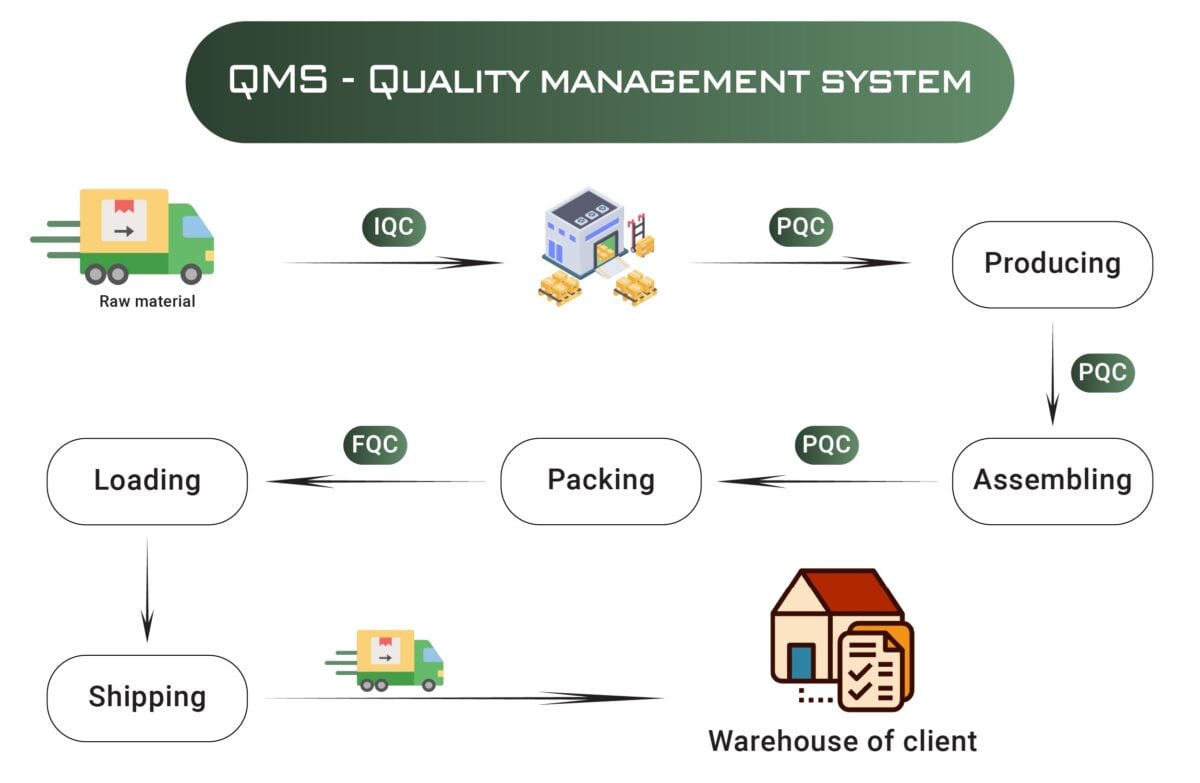
This moisture‑first approach reduces after‑sale defects to under 1.2 % across shipments to the US, EU, and Australia .
OEM / ODM Customization for Mother of Pearl Accessories
Viettime Craft’s R&D team transforms your brand concept into reality. The typical OEM/ODM pipeline:
- Design briefing: you supply sketches, CAD files, or reference images.
- Sample creation: 7–10 working days for a handcrafted prototype, with up to two rounds of free adjustments.
- Approval & deposit: 30 % T/T deposit; production commences upon confirmation.
- Production: 45–60 days; transparent weekly progress photos and open video calls.
- Final inspection & loading: either in‑person at our Hanoi showroom or via independent third‑party QC (SGS, Bureau Veritas).
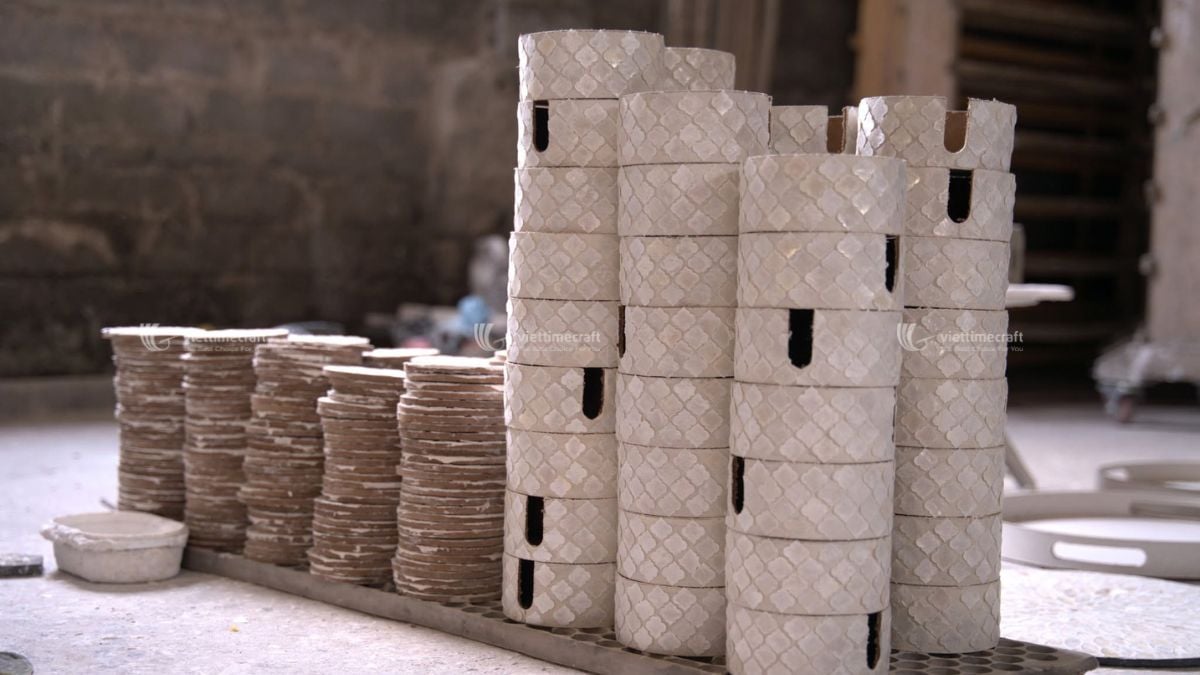
Customization options include:
- Shell mosaic patterns and color gradients.
- Base material (acacia, MDF, composite) and lacquer finish matte/gloss.
- Brand engraving on the back or underside.
- Bespoke packaging with your logo and UPC codes.
Talk to our manufacturing process team to start the conversation.
Mistakes to Avoid When Sourcing Mother of Pearl Home Accessories
- Skipping moisture-handling audits. Ask suppliers for their kiln‑drying logs and post‑production RH readings; if they cannot produce these records, cracking risks climb steeply.
- Over‑looking shell thickness. Request specification sheets that list minimum shell thickness (preferably ≥0.5 mm). Thin shells fracture during freight and after customer handling.
- Ignoring color variation. Natural shell never repeats identically; selling to channels that demand millimeter‑exact uniformity will create returns.
- Buying on price alone. A $3‑per‑unit tray that loses its film coating in three months damages buyer trust far more than the upfront saving.
- Assuming all lacquer is food‑safe. Verify that the supplier uses certified food‑grade lacquer if the items will contact food. Viettime Craft offers compliant options upon request .
Vietnamese Manufacturing Advantages and the ViettimeCraft Difference
Vietnam gives mother of pearl importers four structural advantages:
- Skilled workforce: Artisan villages around Hanoi have practiced shell inlay for over a century, keeping labor costs competitive while retaining advanced hand skills.
- Duty benefits: Many mother of pearl products qualify for GSP (Generalized System of Preferences) reduced or zero tariffs when exported to the EU, Japan, and Australia .
- Eco‑credentials: Shells are a natural by‑product of the food industry; using them reduces waste, aligning with retailer sustainability goals.
- Logistics maturity: Hai Phong port offers weekly sailings to Los Angeles (25–30 days) and Rotterdam (28–32 days), and freight rates have stabilized compared to the pandemic era .
Viettime Craft amplifies these advantages with BSCI and SMETA‑certified factories, a 200‑skilled‑worker team, and over 10 years of dedicated export to strict markets. Visit our about ViettimeCraft page to learn more about our infrastructure.
Not the Right Fit? When Mother of Pearl Accessories Might Fall Short
Mother of pearl suits luxury retail, boutique hotels, and premium gifting. It is not the best choice when:
- Your target price point for a tray is under $5 FOB — at that range, film‑coated alternatives are unavoidable.
- The product line must withstand direct flame, dishwasher exposure, or outdoor humidity without special coating.
- You require identical color from item to item; natural shell variation can differ by ±15 % in hue.
- Very large wall panels (above 120 cm) become structurally challenging without a reinforced backing.
If any of those conditions define your project, our product specialists can propose an alternative finish such as solid lacquerware or spun bamboo. We would rather lose a sale today than deliver an item that disappoints your buyer tomorrow.
Frequently Asked Questions
What is the difference between mother of pearl and abalone?
Mother of pearl comes from the inner layer of various oyster and mollusk species, offering a classic pearl‑white iridescence. Abalone (paua) shells produce darker, rainbow‑like colors and are more expensive. Viettime Craft sources both; let us know your aesthetic preference during the design phase.
How do you clean mother of pearl home decor?
Dust with a dry microfiber cloth. For deeper cleaning, use a damp cloth with mild soap, then immediately wipe dry. Avoid alcohol‑based or citrus cleaners, which can damage the lacquer seal. We recommend reapplying a thin layer of wax polish once a year for high‑gloss pieces.
Are mother of pearl home accessories food‑safe?
Yes, when finished with certified food‑grade lacquer. Viettime Craft offers EU‑ and FDA‑compliant lacquer options; specify your requirement at the quotation stage .
Can I order custom shapes and use my brand packaging?
Absolutely. Our OEM/ODM service includes custom form factors, intricate pattern layouts, color‑matched lacquer tones, and private‑label packaging with hang‑tags, UPC codes, and brand inserts. Typical development time for a new shape is 10–14 days.
Partner with Viettime Craft for Your Mother of Pearl Collection
Ready to add genuine, artisan‑crafted mother of pearl home accessories to your catalogue? Contact our team to request the latest wholesale catalogue, receive a custom quote, or book a video call from our Hanoi showroom.
Contact ViettimeCraft now and start your OEM/ODM mother of pearl project