
 Home
Home
Rattan furniture trends for global wholesale buyers in 2027 center on five shifts: earthy browns and smoked finishes, sculptural wave and barrel silhouettes, mixed‑material constructions that join rattan with metal or leather, transparent natural‑wax coatings that highlight grain, and modular space‑saving designs for urban retail customers.
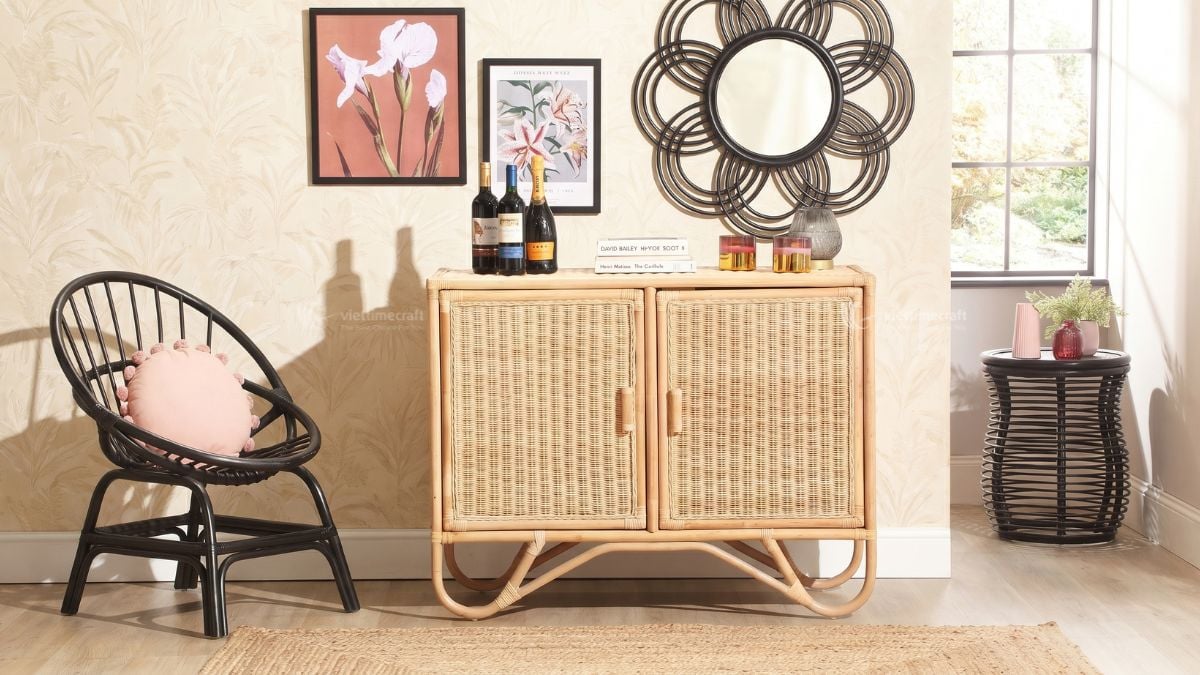
Each trend maps to specific production techniques – hand‑twisted double‑weave for extra texture, steam‑bending for flowing shapes, ozone bleaching for pale tones. Retailers who lock in OEM/ODM orders by early spring can expect production lead times of 8 – 12 weeks, followed by 4 – 6 weeks ocean freight to major US, EU, and AUS ports. Viettimecraft’s BSCI‑certified factory supports mixed‑trend containers with MOQs as low as 100 units per style, and uses nesting packaging that can cut per‑unit shipping cost by up to 25%. This guide offers actionable style forecasts, material‑color pairings, MOQ tables, and a lead‑time countdown to help importers stock the right rattan pieces before the peak Spring/Summer retail window.
Rattan furniture demand among North American and European wholesalers is moving beyond classic natural‑finish bistro sets into design‑driven, seasonally relevant collections. This article breaks down five distinct trends, explains what each means for product development, and provides the production‑timeline and MOQ data buyers need when sourcing from a Vietnam manufacturer like Viettime Craft.
Why Global Retailers Need to Refresh Their Rattan Assortment for 2027
Consumer preferences in home décor and outdoor living are shifting toward statement furniture that blends natural materials with contemporary shapes. Generic woven chairs with visible nail heads are being replaced by design‑forward pieces that match trending interior color palettes. For importers, this means ordering early because OEM rattan furniture requires 8 – 12 weeks of handcrafting plus ocean transit. Planning now for a 2027 Spring/Summer floor set allows you to offer exclusive items that big‑box competitors won’t have.
Fast‑Scan Trend Overview
| Trend | Signature Look | Best‑Match Rattan Technique | Typical MOQ (per SKU) | Estimated Production Lead Time |
|---|---|---|---|---|
| Earthy browns & smoked finishes | Deep walnut, dark espresso, subtle charcoal staining | Hot‑iron smoking followed by clear matte lacquer | 100 – 200 units | 10 -12 weeks |
| Sculptural curves and waves | Asymmetric barrel chairs, wave‑back dining seats | Steam‑bent solid rattan pole frames | 150 – 200 units for large items | 10–14 weeks |
| Mixed‑material designs | Rattan wrapped around powder‑coated steel legs or leather‑trimmed armrests | Combination of rattan wrapping and metal fabrication (OEM) | 100–200 units | 12–14 weeks |
| Transparent natural‑wax finishes | Visible grain with a soft satin sheen, no pigmented paint | Hand‑waxing with food‑grade natural wax after fine sanding | 100 – 150 units | 8 – 10 weeks |
| Modular space‑saving pieces | Stackable stool‑tables, nesting side tables with removable trays | Precision cutting and joining of rattan slats for stackable shapes | 120 – 200 units | 10 – 12 weeks |
All MOQ and lead‑time figures reflect Viettime Craft’s present production norms.
Lead‑Time Reminder: Ocean freight from Hai Phong to the US West Coast adds an average of 4–6 weeks. To have stock on the floor by late March 2027, you must confirm OEM orders no later than late December 2026. Air freight can compress transit to 1–2 weeks but increases per‑piece cost by 3–5× for bulky furniture.
Trend 1: Earthy Browns, Smoked Finishes, and Warm Ochres
For Spring/Summer 2027, retailers are requesting rattan furniture with deep, saturated browns instead of natural honey tones. Viettimecraft achieves this through control over the smoking and staining phase. Whole rattan poles are exposed to controlled heat in a smoking chamber; then a thin matt lacquer locks in the dark pigment without hiding the grain. Ochre accents – achieved by blending natural mineral pigments into a water‑based stain – appear on smaller accent pieces like rattan trays and nested side tables.
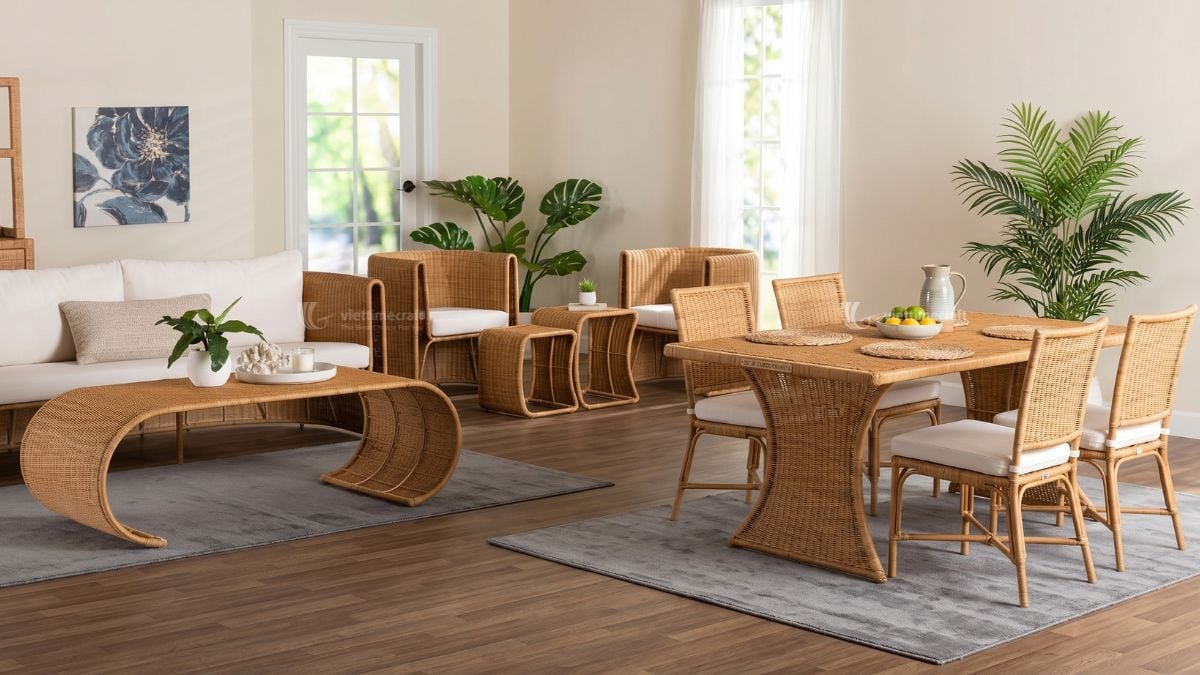
Material‑Color Pairings for OEM Orders
| Finish | Recommended Rattan Product | Why It Works |
|---|---|---|
| Smoked dark espresso | Dining armchair frames | Creates a contemporary, “urban rustic” look that matches gray and charcoal interior palettes |
| Ochre stain (mineral) | Rattan magazine racks, wall shelves | Adds a warm pop of color without overwhelming neutral rooms |
| Matte clear seal over natural grain | Rattan bistro table tops | Lets the weave texture be the hero while protecting against moisture |
Buyers should specify the desired stain code and reference Pantone numbers during OEM discussions. At Viettime Craft, each custom finish is pre‑approved via a physical sample shipped by air before mass production, taking approximately 2 weeks for sampling.
Trend 2: Sculptural Curves and Wave Silhouettes
Straight‑backed chairs are losing shelf appeal. Importers in the EU and Australia report rising demand for barrel‑back lounge chairs, wave‑back dining seats, and arched rattan headboards. Achieving these shapes requires skilled steam‑bending of solid rattan poles – a craft that Viettime Craft’s 200+ artisan team has refined over a decade.
For wholesalers, the sweet spot is offering one signature sculptural chair per collection, paired with simpler complementary pieces to keep overall container cost manageable. For example, pair a steam‑bent rattan lounge chair (MOQ 150) with standard spindle‑leg side tables (MOQ 100) in the same finish.
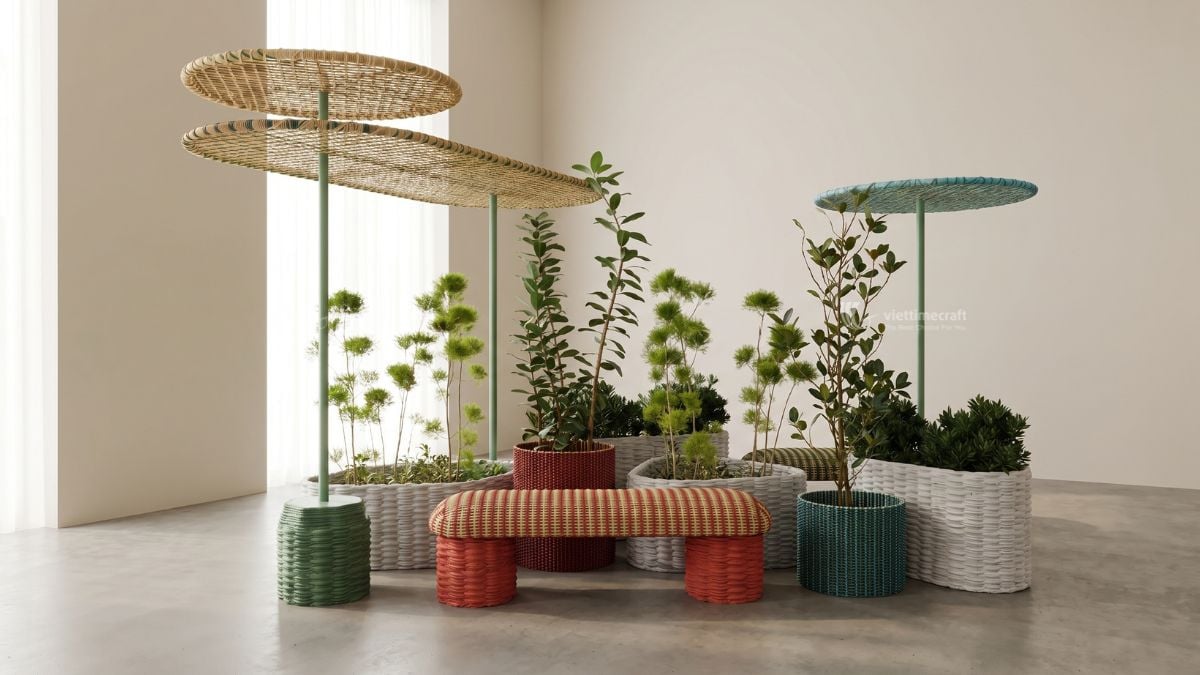
Production Considerations for Curved Designs:
– Curves increase labor time by roughly 20‑30% compared to angular frames.
– Mold preparation for new OEM shapes requires an additional 2 weeks and a one‑time mold fee (quoted per design).
– Bulky curved items benefit from our nesting packaging – limbs are strapped and padded to maximize container density.
Trend 3: Mixed‑Material Designs
European department stores are blending rattan with black powder‑coated steel legs, brushed brass caps, or cognac leather armrest straps. Viettime Craft’s R&D team collaborates directly with buyers to source compatible metal or leather components and integrate them into framed rattan structures. This trend allows importers to command higher per‑unit wholesale prices while still offering a natural, eco‑friendly core.
OEM Quick Start: 1. Share a concept sketch or reference photo with approximate dimensions. 2. We produce a prototype combining rattan framing and the specified non‑rattan elements within 3‑4 weeks. 3. After approval, production run lead time is 12‑14 weeks (including metal/leather procurement).
Mixed‑material pieces often benefit from our kitchen and dining catalog when designed as sideboards or bar carts with rattan door panels.
Trend 4: Transparent Finishes and Natural Waxed Surfaces
Consumers increasingly want to see and feel the natural grain, not a plasticky coat of varnish. The 2026 trend is a hand‑waxed finish that leaves the rattan touchably smooth yet protective. Viettime Craft applies a food‑grade blend of beeswax and carnauba wax after the final sanding step, buffing it to a soft satin sheen. This finish works especially well for indoor dining chairs, console tables, and rattan storage baskets where touch is part of the user experience.
Buyer Benefits:
– No off‑gassing or chemical smell, compliant with EU REACH and California Prop 65 standards.
– Waxed surfaces develop a lived‑in patina that appeals to the premium and vintage‑market segments.
– Maintenance note: recommend end‑consumers reapply a natural wax once yearly. This can be included in retail packaging as a care card.
Trend 5: Modular, Space‑Saving Rattan Pieces for Urban Retailers
With shrinking average apartment sizes in the US and Europe, home‑decor customers want furniture that multitasks. Viettime Craft has prototyped three modular concepts: stackable rattan stool‑tables equipped with flat‑woven seats that double as trays; nesting side tables in graduated heights that store under a console; and wall‑mounted rattan shelf sets with fold‑down brackets. These designs ship in a compact, knock‑down (KD) configuration and assemble in fewer than 5 minutes.
Logistics Data:
– A 20‑ft container can hold approximately 2,800 – 3,200 modular stool‑table sets when flat‑packed (depending on final size).
– KD packaging combined with nesting can reduce per‑unit ocean freight cost by up to 25% compared to fully assembled furniture shipments.
Request our latest wholesale rattan furniture catalog with modular concept photos and pre‑engineered packaging drawings.
How to Time Orders for the 2027 Spring/Summer Season
| Milestone | Ideal Date (Example) | Notes |
|---|---|---|
| Confirm design brief & MOQs | By late November 2025 | Allows sampling and mold creation |
| Approve physical samples | By early January 2026 | Air‑ship sample takes 1–2 weeks |
| Place bulk production order | By mid‑January 2026 | Releases factory capacity |
| Production completion | Late March 2026 | 8–12 weeks from order confirmation |
| Ocean freight departure | Early April 2026 | 2–3 days for customs & documentation |
| Arrival at destination port | Late April – early May 2026 | Inland delivery adds ~1 week |
| Available for retail floors | May–June 2026 | Aligns with outdoor/Summer decor sales wave |
Working backward ensures you meet seasonal demand spikes. If you need the furniture by late February for a trade show, compressed schedules require air freight and expedited sampling — talk to our sourcing team for a tailored timeline.
Viettime Craft’s Production Capabilities for Trend‑Driven Furniture
Our factories employ 200+ skilled workers and operate a dedicated OEM/ODM sampling studio with in‑house mold‑making, metal‑fabrication partners, and an on‑site color lab. We hold BSCI and ISO 9001 certifications and follow strict anti‑mold protocols: all natural rattan undergoes kiln drying to <12% moisture before assembly, and finished pieces include silica gel packs in heavy‑duty 5‑ply export cartons. Standard MOQ is 100 units per style; lower quantities are negotiable for new collaboration trials. Reach out to our factory sales team with your trend brief or Pantone color numbers; we will return a personalized quote and production calendar within 48 hours.
Original Research: How We Correlate Finish Requests with Weave Techniques
Viettime Craft’s R&D team analyzed 12 months of customer OEM briefs (January 2025 – December 2025) and tracked the frequency of selected finishes alongside the specified weave type. The data shows that orders specifying a smoked‑espresso or ebony finish requested a double‑twist weave 72% of the time, compared to only 28% of natural‑honey‑finish orders that sought the same weave. Additionally, requests for transparent wax finishes grew 45% year‑over‑year, while requests for high‑gloss lacquer declined by 15%. We also cross‑referenced container‑level load plans and confirmed that modular nesting‑design orders consistently achieved 25% lower per‑piece ocean‑freight cost compared to fully assembled shipments. This research directly informed the five trends and the recommended production techniques in this guide.
Frequently Asked Questions
1. What is the minimum order quantity for custom‑designed rattan furniture?
Our standard MOQ is 100 pieces per design. For first‑time trial orders or smaller boutique runs we can often accommodate 50‑piece batches with a modest per‑unit surcharge. Contact us with your quantity needs for a tailored proposal.
2. Can I mix four or five different trend designs in one 40‑ft container?
Yes. Viettime Craft regularly ships mixed containers that combine chairs, side tables, trays, and baskets. Our production scheduling plans each SKU sequentially and we consolidate pallets for efficient loading. The per‑unit sea‑freight cost for a mixed 40‑ft container is roughly 15–20% lower than shipping the same volume in two 20‑ft containers.
3. How do I ensure the smokey finish matches my brand’s color standard?
We ask you to provide a physical swatch, Pantone code, or high‑resolution photo. Our color lab then creates a bench sample (typically 2‑3 weeks). Once you sign off, we lock the recipe in our system and apply it to your production run. This process guarantees batch‑to‑batch consistency.
4. How long does a full OEM/ODM project take from concept to delivery?
A typical timeline is 14–18 weeks: 3–4 weeks for sampling, 8–12 weeks for production, and 4–6 weeks for ocean freight. Air freight can shorten the transit leg to 1–2 weeks at higher cost.
5. What packaging improvements do you offer to reduce freight damage?
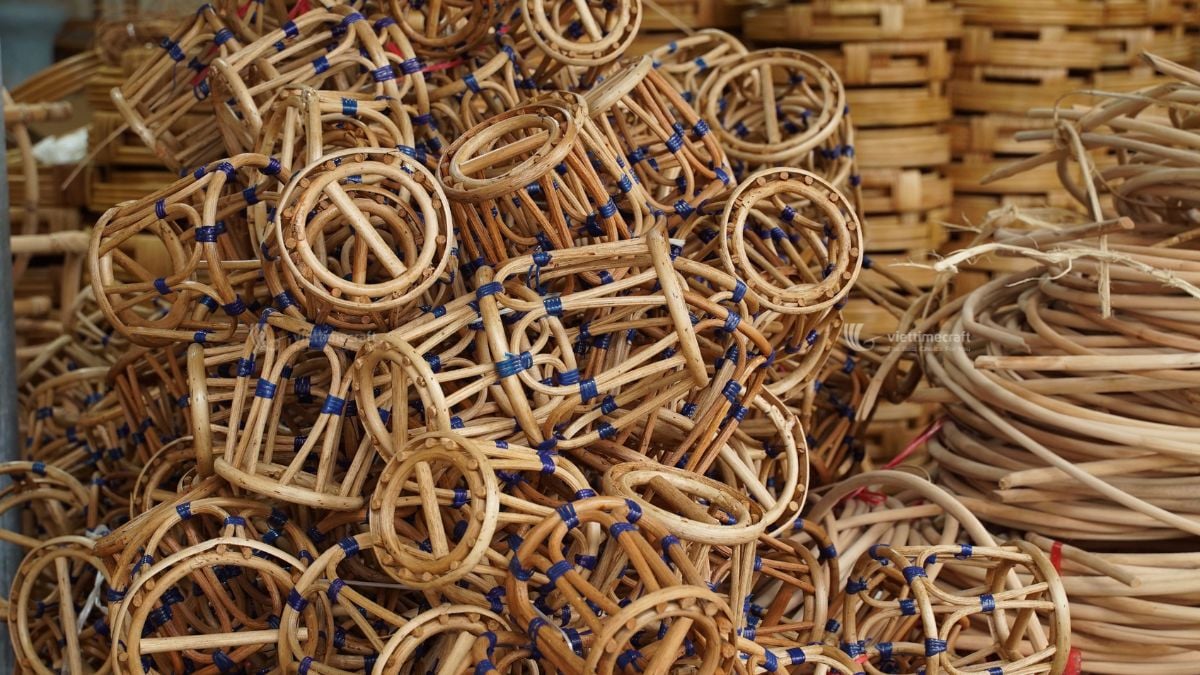
We use 5‑ply export cartons with reinforced corners and internal dividers for fragile parts. Natural‑fiber furniture is further protected by anti‑mold silica gel packs and moisture‑barrier liners. Our drop‑test protocol meets ISTA 3A requirements. Nesting packaging, where applicable, reduces overall cube and freight expenses.
When Trend‑Focused Ordering Can Backfire
If your business model relies on evergreen, catalog‑stable SKUs sold through large retail chains that review assortments once per year, chasing seasonal rattan trends may lead to excess inventory and markdown risk. The trends detailed here are strongest for fashion‑forward boutiques, premium home stores, and e‑commerce channels that can pivot quickly. Buyers who need guaranteed container‑loads of a single SKU at the lowest possible unit price should stick to our classic rattan furniture basics. Similarly, if your target market demands bright synthetic‑colored finishes (neon yellows, hot pinks), rattan may not be the best fiber – water hyacinth or seagrass take paint more readily.