
 Home
Home
Rattan furniture production moves from raw rattan poles through grading, soaking, bending, assembly, weaving, and finishing. ViettimeCraft’s process includes a 3‑day anti‑mold soak, moisture content targeting 8‑10%, and typical frame production lead times of 25‑35 working days. Solid rattan core is graded by diameter (ø8‑30 mm) for frames; split rattan (rattan peel) is used for weaving.
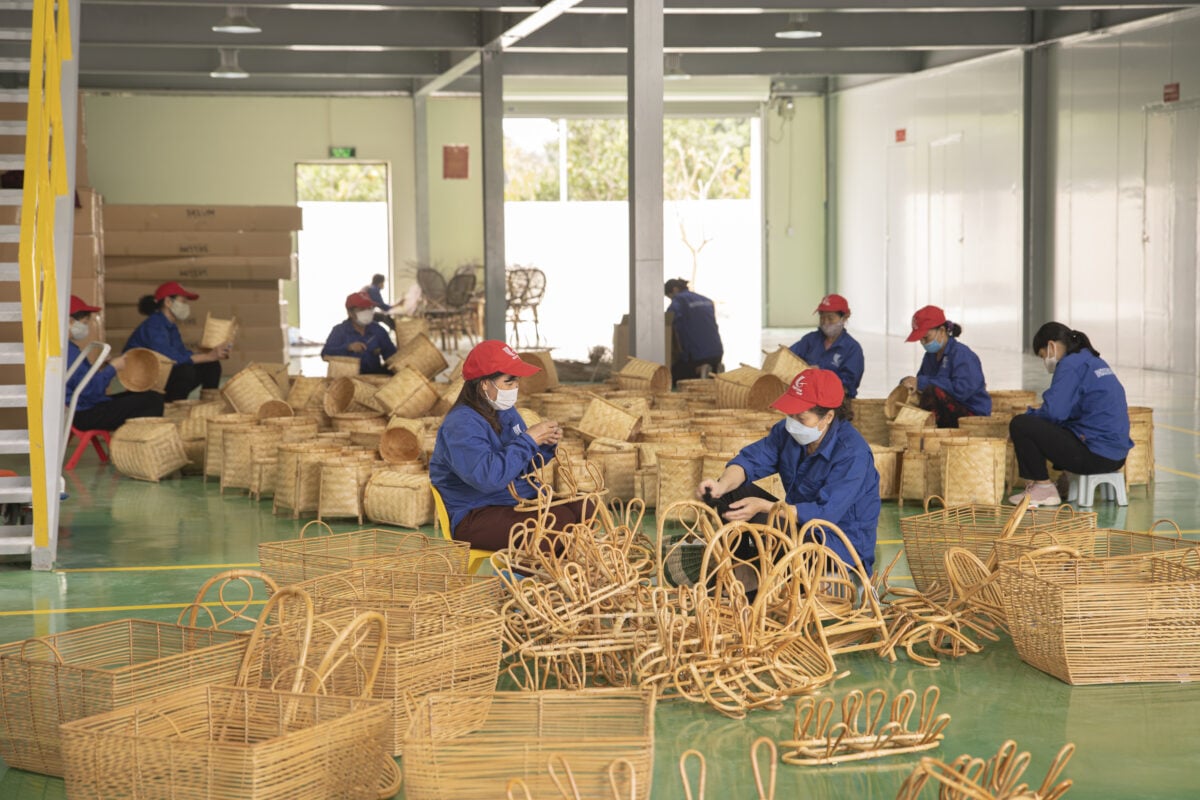
Understanding the Production Process of Handmade Rattan For Furniture
Understanding production begins with raw material selection. Harvesters cut mature rattan canes from managed forests in Southeast Asia, typically at 5-7 years of age when the cane diameter reaches marketable dimensions. After cutting, the outer skin is stripped to reveal the solid inner core, the material used for furniture frames.
Grading happens immediately at the processing yard. Cores are sorted by diameter, common grades for furniture range from ø8 mm to ø30 mm, and by visual quality (color consistency, presence of cracks). Only cores free of insect damage and fungal staining move forward.
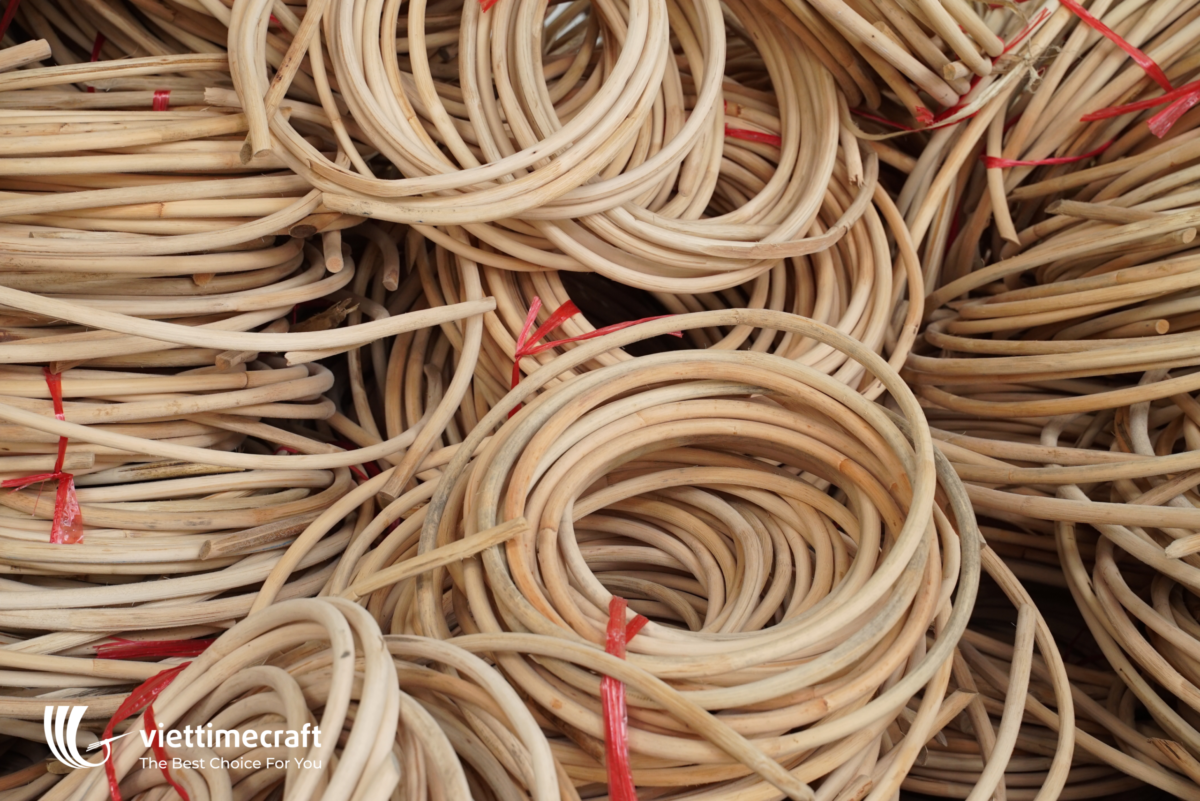
Soaking follows grading. ViettimeCraft immerses selected cores in a 3‑day anti‑mold bath formulated to eliminate residual sugars and prevent fungal growth during drying and storage. After soaking, cores air‑dry under covered shelters for 7‑10 days until moisture content drops to 8‑10%. Achieving this window is critical: overdried cores become brittle and snap during bending, while wet cores cause frames to warp after assembly.
The Core Steps of Building a Rattan Furniture Frame
Frame construction relies on bending, joinery, and assembly. After drying, cores go through a steam‑or‑heat treatment that softens the fibers for bending. Skilled artisans use metal jigs to shape legs, backrests, armrests, and stretchers according to the product design. A single chair frame may involve 8‑12 individually bent pieces.
Once shapes are set, mortise‑and‑tenon joints and dowels lock components together. For chairs and tables, ViettimeCraft uses Titebond‑type waterproof wood adhesives combined with bamboo or wooden pegs. The assembly stage includes clamping for 4‑6 hours to allow adhesive to cure under pressure. Final dimension checks verify symmetry and stability before the frame moves to the weaving department.
Weaving: How Split Rattan Becomes the Surface
Weaving turns a skeleton frame into a finished piece. Workers split the outer skin of smaller‑diameter canes into thin, flexible strips, commonly called rattan peel, in widths from 3 mm to 10 mm depending on the desired pattern and load‑bearing requirement. The peel is dampened before weaving to improve flexibility and prevent cracking.
Common weaving patterns include open hexagon, closed hexagonal (caned), radial star, and herringbone. Seats and backrests often use a double‑layer weave for added durability: a thicker structural layer underneath and a finer decorative layer on top. A typical dining chair seat requires 25‑35 meters of peel per layer.
Weavers work from pattern templates pinned onto the frame, trimming excess peel after the weave is locked. The workshop environment maintains 55‑65% relative humidity to keep peel pliable, decreasing breakage by roughly 15% compared to dry‑room weaving.

Finishing, Anti‑Mold Treatment, and Quality Control
After weaving, every piece goes through sanding (grit 120‑180) to smooth sharp edges and remove surface fuzz. Then follows a second anti‑mold treatment, a light‑mist application of a food‑safe borate solution, before final drying.
Furniture destined for export receives a topcoat of clear water‑based lacquer or, for darker finishes, a stain plus lacquer. This coating not only enhances appearance but also seals the fibers, reducing moisture absorption during sea freight. Curing time under UV lamps is 2‑4 hours per coat; most orders use two coats.
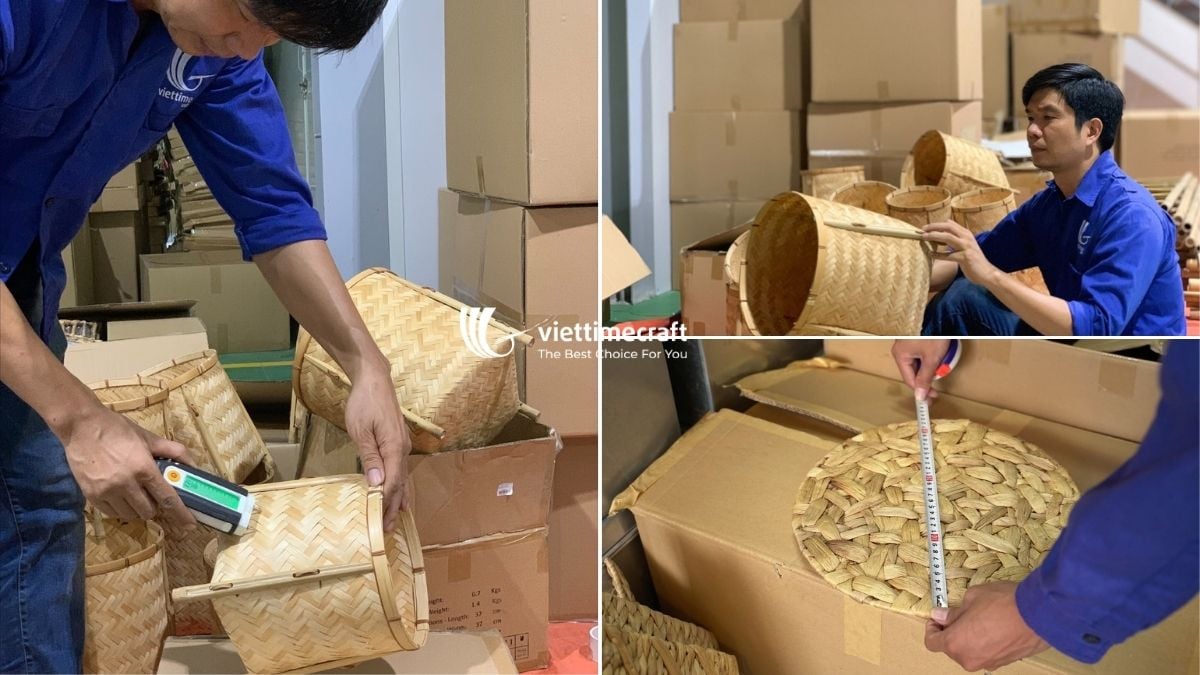
Quality control checks include:
- Frame stability (no wobble on flat surface).
- Weave tension (no sagging exceeding 3 mm under 5 kg load).
- Moisture meter verification (<12% before packing).
- Visual inspection for mold spots, broken peel, or uneven coloring.
Why Partner with ViettimeCraft for Handmade Rattan Furniture?
ViettimeCraft brings 10+ years of export experience with certified facilities (BSCI, SMETA) and dedicated OEM/ODM teams. Our factories in Vietnam combine traditional craftsmanship with modern quality management.
- Customization: From frame dimensions and weaving patterns to finish color and packaging labeling, we execute your specifications.
- Scalable production: Capacity to handle 50‑100 containers/month depending on product line, ensuring consistent supply for large retailers.
- Proven export: Regular shipments to US, EU, Australia, and Japan under FOB or CIF terms.
- Sustainable sourcing: Rattan harvested from managed forests supports rural communities and reduces plastic dependency.
Explore our wholesale rattan products to see the range of baskets, storage, and furniture we offer. For large‑scale furniture orders, review our dedicated rattan furniture (tables & chairs) collection. If smaller accents fit your assortment, our rattan trays wholesale category delivers proven B2B best sellers.
Frequently Asked Questions
What is the difference between solid rattan and split rattan in furniture making?
Solid rattan refers to the intact core of the cane after the outer skin is removed. It is used for structural frame components because of its strength and ability to be bent when heated. Split rattan (peel) is the outer layer sliced into thin strips and is primarily used for weaving seat and back panels. Solid core can support 50‑70 kg in a chair frame, while peel provides flexibility and texture for ergonomic comfort.
How long does it take to produce handmade rattan furniture from order to shipment?
For stock items, 7‑10 working days. For custom OEM production, total timeline from sample approval to container readiness averages 40‑60 working days, plus sea transit (25‑45 days depending on destination). Planning 3‑4 months ahead of desired in‑market date is recommended.
Is handmade rattan furniture suitable for outdoor use?
Natural rattan lacks inherent weather resistance and will degrade if exposed to rain and direct sun for extended periods. For outdoor settings, specify synthetic rattan (PE rattan) or use rattan furniture under covered patios with periodic maintenance. Viettime Craft can advise on appropriate materials for specific environments.
How does Viettime Craft ensure mold‑free delivery for international shipments?
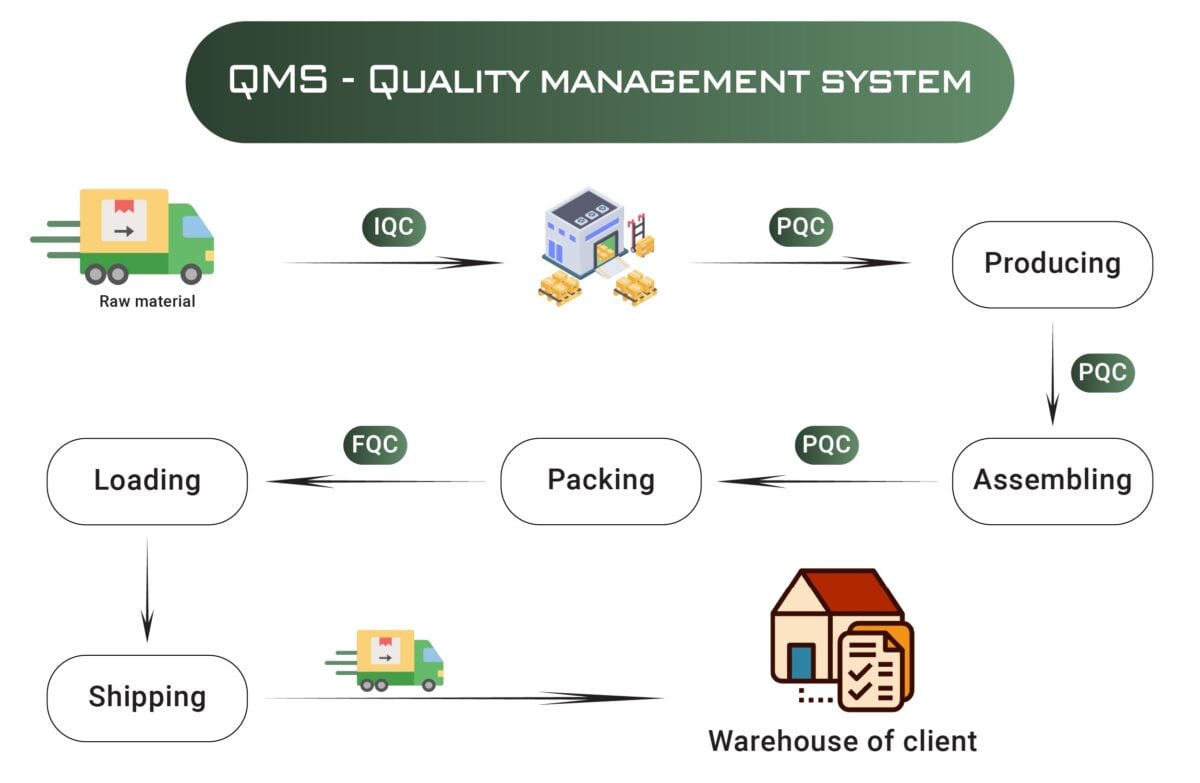
Our multi‑stage protocol: 3‑day anti‑mold soak before processing, 8‑10% moisture control after drying, secondary borate treatment post‑weaving, and final moisture meter checks before packing. Silica gel packs are placed inside sealed poly bags within 5‑ply export cartons, and containers are loaded under dry conditions.